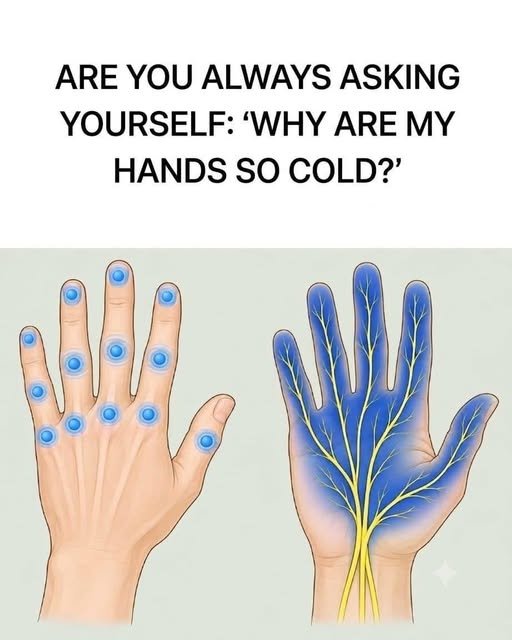
Cold hands are common, and in many cases they’re caused by normal body responses to temperature. However, persistently cold hands can also signal an underlying medical condition. Understanding the cause is the key to finding the right solution.
Why are your hands always cold?
1. Your body is conserving heat (most common cause)
When you’re exposed to cold temperatures, your body prioritizes keeping your brain, heart, and other vital organs warm. Blood vessels in your fingers and hands narrow (a process called vasoconstriction), reducing blood flow to your hands.
Signs:
- Cold fingers in cool rooms
- Hands warm up after moving around or wearing gloves
- No pain or unusual color changes
How to fix it:
- Wear insulated gloves outdoors.
- Keep your core warm with layers.
- Drink warm beverages.
- Stay physically active.
2. Poor circulation
If blood isn’t reaching your hands efficiently, they may feel cold even in warm environments.
Possible causes:
- Smoking
- Lack of exercise
- Narrowed arteries
- Heart or blood vessel problems
Other symptoms:
- Numbness
- Tingling
- Weak pulse
- Hands that appear pale or bluish
How to improve circulation:
- Exercise regularly (walking, cycling, swimming).
- Avoid smoking.
- Stretch your fingers and wrists frequently.
- Massage your hands.
- Stay hydrated.
3. Raynaud’s phenomenon
This condition causes small blood vessels in the fingers to overreact to cold or emotional stress.
Typical attack:
- Fingers turn white.
- Then blue.
- Finally red as blood returns.
Attacks may last from minutes to over an hour.
Treatment:
- Avoid cold exposure.
- Wear gloves before going outside.
- Manage stress.
- In severe cases, doctors may prescribe medications that relax blood vessels.
4. Anemia
Low levels of healthy red blood cells reduce oxygen delivery throughout the body.
Symptoms include:
- Cold hands and feet
- Fatigue
- Weakness
- Pale skin
- Shortness of breath
Common causes:
- Iron deficiency
- Vitamin B12 deficiency
- Folate deficiency
- Blood loss
Treatment:
- Correct the underlying deficiency under medical guidance.
- Eat iron-rich foods such as lean meat, beans, spinach, and lentils.
- Pair iron-rich foods with vitamin C sources to improve absorption.
5. Low thyroid function (hypothyroidism)
The thyroid regulates metabolism. When it is underactive, your body produces less heat.
Symptoms:
- Feeling cold all the time
- Weight gain
- Fatigue
- Dry skin
- Constipation
- Hair thinning
Treatment:
- A healthcare professional can diagnose this with blood tests.
- Thyroid hormone replacement usually resolves symptoms if hypothyroidism is the cause.
6. Low body weight
People with very little body fat lose heat more quickly.
What helps:
- Maintain a healthy weight.
- Eat balanced meals with enough calories and protein.
- Dress warmly.
7. Diabetes
Over time, diabetes can damage nerves and blood vessels.
Symptoms:
- Cold hands or feet
- Numbness
- Burning pain
- Tingling
- Slow-healing wounds
Treatment:
- Good blood sugar control.
- Regular foot and hand care.
- Medical evaluation if symptoms develop.
8. Stress and anxiety
Stress activates the “fight-or-flight” response, causing blood vessels in the hands to narrow temporarily.
Signs:
- Cold hands during stressful situations
- Sweaty palms
- Fast heartbeat
What helps:
- Regular exercise
- Good sleep habits
- Relaxation techniques
- Managing ongoing stress
9. Certain medications
Some medications reduce blood flow to the hands.
Examples include:
- Beta blockers
- Some migraine medications
- Certain ADHD medications
- Some decongestants
If you notice cold hands after starting a medication, discuss it with the prescribing clinician before making any changes.
Lifestyle tips to keep your hands warm
- Exercise for at least 30 minutes most days.
- Wear gloves in cold weather.
- Keep your whole body warm, not just your hands.
- Avoid smoking or vaping nicotine.
- Stay hydrated.
- Eat regular, balanced meals.
- Limit excessive caffeine if it seems to trigger symptoms.
- Take frequent movement breaks if you work at a desk.
Foods that may support circulation
While no food can permanently “fix” cold hands, a balanced diet supports healthy blood flow.
Examples include:
- Fatty fish (salmon, sardines)
- Leafy greens
- Citrus fruits
- Nuts and seeds
- Whole grains
- Beets
- Garlic
- Ginger (may provide a warming sensation)
When should you see a doctor?
Arrange a medical evaluation if:
- Your hands are always cold even in warm environments.
- Only one hand is consistently cold.
- Your fingers turn white, blue, or black.
- You have severe pain, numbness, or weakness.
- You develop sores that won’t heal.
- Cold hands are accompanied by fatigue, weight changes, chest pain, or shortness of breath.
- The problem is new, worsening, or interfering with daily activities.
A clinician may recommend tests such as blood work (for anemia or thyroid disease), blood sugar testing, or an evaluation of your circulation depending on your symptoms.
Bottom line
Most cold hands are due to normal responses to cold or reduced blood flow in the fingers and improve with warming and movement. However, if cold hands are persistent, severe, associated with color changes, numbness, pain, or other symptoms, it’s important to seek medical evaluation to identify and treat any underlying condition.