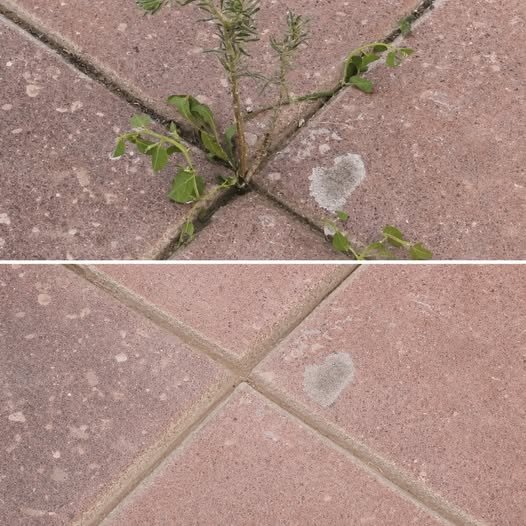
A homemade natural weed killer can be made with common household ingredients. However, “natural” does not always mean completely harmless: vinegar, salt, and some essential oils can irritate pets, children, plants, and soil if misused. The safest approach is to use a pet- and kid-conscious spot treatment and keep everyone away until the area is dry.
Pet- and Kid-Friendlier Homemade Weed Killer (Spot Treatment)
Ingredients
- 1 gallon (3.8 L) white vinegar (5% household vinegar)
- 2 tablespoons dish soap (preferably a mild, unscented soap)
- Optional: 1 cup orange vinegar or citrus peel–infused vinegar for extra weed-cutting power
What You’ll Need
- Garden sprayer or spray bottle
- Funnel (optional)
- Gloves
- Protective eyewear (recommended)
Step-by-Step Recipe
1. Prepare the mixture
- Pour 1 gallon of white vinegar into your sprayer.
- Add 2 tablespoons of dish soap.
- Gently swirl or shake to mix.
Why it works:
- Vinegar (acetic acid) dries out and damages the leaves.
- Dish soap breaks the surface tension, helping the vinegar stick to the weed leaves instead of rolling off.
How to Apply
- Choose a dry, sunny day with no rain expected for at least 12–24 hours.
- Spray directly onto weed leaves until they are coated.
- Avoid soaking the soil.
- Do not spray on:
- Grass you want to keep
- Flowers
- Vegetables
- Shrubs
- Trees
- Areas where you want plants to grow later
The mixture is non-selective, meaning it can kill desirable plants too.
When Will It Work?
- Small weeds: 1–3 days
- Tough weeds: 1–2 weeks
- Deep-rooted weeds (dandelions, crabgrass, thistle): may require repeated applications
For stubborn weeds:
- Cut the weed down.
- Spray the fresh cut area.
- Repeat after several days if needed.
Pet and Child Safety Tips
Even though this recipe avoids commercial herbicides:
✅ Allow the area to dry completely before children and pets enter.
✅ Store unused mixture in a labeled container away from children.
✅ Avoid spraying where pets frequently lick or dig.
✅ Do not add salt if pets use the area.
Avoid Adding Salt (Important)
Many online recipes include salt, but it can:
- Damage soil for years
- Kill nearby plants
- Harm beneficial soil organisms
- Create problems in lawns and gardens
Salt is better reserved for places where you never want plants to grow (such as cracks in sidewalks), not yards or garden beds.
Stronger Natural Option for Cracks and Driveways
For weeds between pavers, sidewalks, or gravel:
Ingredients
- 1 gallon vinegar
- 2 tablespoons dish soap
Apply on a hot sunny day. The heat helps the vinegar work faster.
For Lawns: Safer Weed Control Alternatives
If weeds are growing in grass, vinegar spray is usually not a good choice because it will kill the grass too. Better options:
- Pull weeds after watering when soil is soft
- Use mulch to block weeds
- Overseed thin lawn areas
- Maintain healthy mowing height
- Use corn gluten meal as a preventive option (effectiveness varies by weed and conditions)
This recipe is best viewed as a spot weed killer for paths, patios, cracks, and unwanted isolated weeds, not a whole-yard treatment.