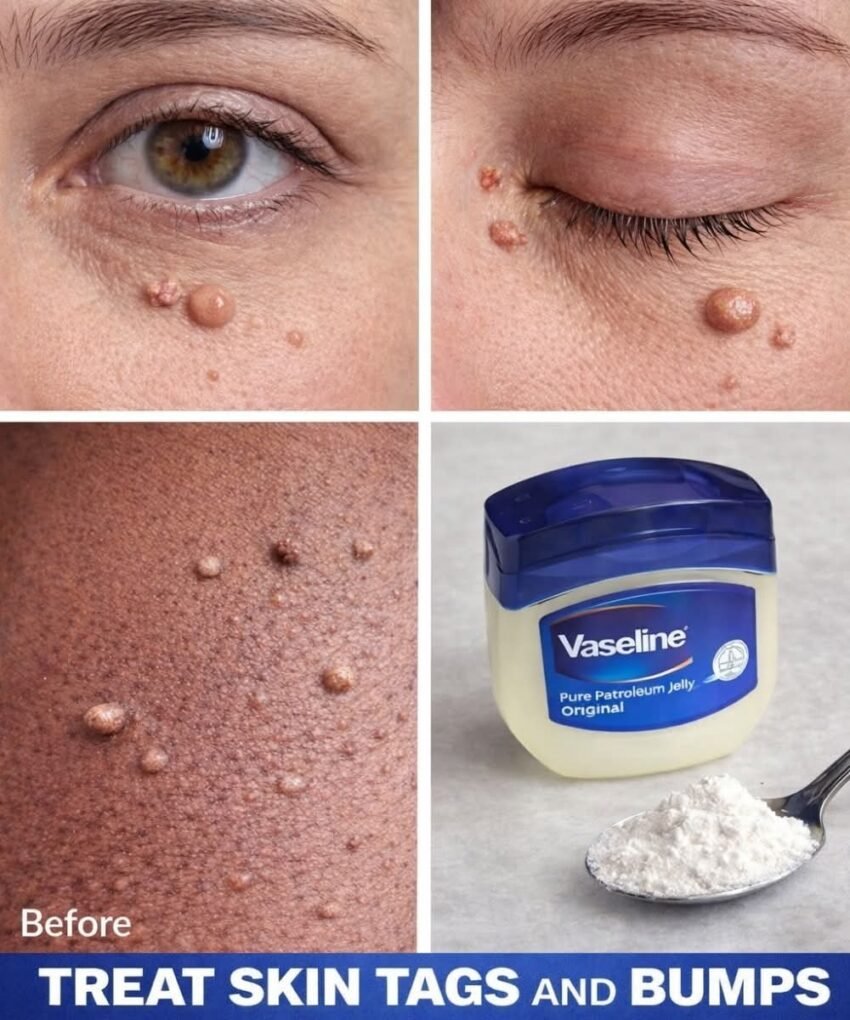
Skin tags (also called acrochordons) are very common, harmless growths made of skin and connective tissue. They often occur where skin rubs against skin, such as the neck, underarms, groin, eyelids, and under the breasts.
Before removing a skin tag
It’s important to be reasonably sure that the growth is actually a skin tag. Typical skin tags:
Are soft and flesh-colored or slightly darker
Hang from the skin on a small stalk
Usually measure 1–5 mm, though some are larger
Are generally painless unless irritated
You should not try to remove it yourself if:
You’re not sure it’s a skin tag
It’s bleeding, painful, ulcerated, or rapidly growing
It’s on the eyelid, genitals, or another sensitive area
You have diabetes with poor wound healing, a bleeding disorder, or take blood thinners
Professional removal methods
Healthcare professionals commonly use these techniques:
1. Snip excision
The area is cleaned, and a clinician cuts the tag off with sterile scissors or a scalpel.
Advantages
Immediate removal
Usually quick
Often little discomfort for small tags
Possible side effects
Minor bleeding
Small scar
Infection (uncommon)
2. Cryotherapy (freezing)
The tag is frozen with liquid nitrogen.
What happens
The tissue freezes and dies
The tag darkens and falls off over days to weeks
Possible side effects
Temporary pain
Blistering
Skin discoloration
3. Electrocautery
A medical device uses heat to destroy the tag.
Advantages
Quick
Helps control bleeding
Possible side effects
Temporary soreness
Small scar
At-home options
Over-the-counter skin tag products
Some products use a freezing method or a ligation system designed specifically for skin tags.
Follow the product instructions exactly.
Do not use wart removers containing high concentrations of salicylic acid unless the product specifically states it is intended for skin tags. These products can damage surrounding skin.
Methods often discussed online
Ligation (tying off the blood supply)
This involves placing a band or device around the stalk of a small skin tag to stop blood flow.
Risks
Pain
Infection
Incomplete removal
Misidentifying another type of growth
Because of these risks, it is generally safer to use a commercially designed product or have a professional perform the procedure.
Home methods to avoid
Avoid:
Cutting tags off yourself with scissors, razors, or nail clippers
Burning them
Using bleach or harsh chemicals
Applying concentrated acids
Using unverified remedies that can cause skin injury
These methods can lead to:
Infection
Significant bleeding
Scarring
Delayed diagnosis of a different skin condition
Aftercare
After removal:
1. Wash the area gently with soap and water.
2. Keep it clean and dry.
3. Apply a simple protective ointment if recommended by your clinician.
4. Cover with a small bandage if clothing rubs against it.
5. Watch for redness, increasing pain, pus, or swelling.
When to seek medical attention
Get medical evaluation if:
Bleeding doesn’t stop with pressure after 10–15 minutes.
The area becomes increasingly red, swollen, or painful.
You develop fever or drainage.
The growth returns quickly or looks unusual.
If you can describe:
The location of the skin tag,
Its size (for exam 6ple, like a grain of rice or a pea),
And whether it is flat or hanging on a stalk,
I can explain which removal methods are typically considered safest for that specific situation.