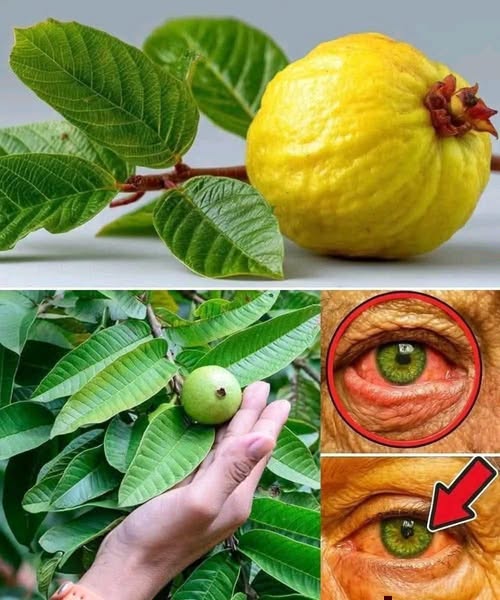
There is no reliable scientific evidence that applying guava leaves, guava fruit, or guava leaf tea directly to the eyes treats eye infections, cataracts, glaucoma, blurred vision, or other eye diseases. Putting homemade preparations into the eyes can introduce bacteria or irritants and may worsen the condition.
That said, guava can support overall eye health as part of a nutritious diet because it contains:
- Vitamin C, which helps protect cells from oxidative stress.
- Vitamin A (small amounts), which is important for vision.
- Antioxidants such as lycopene (especially in pink guava varieties).
Guava recipes to support general eye health
1. Fresh Guava Smoothie
Ingredients
- 2 ripe guavas, washed and chopped
- 1 cup plain yogurt or milk
- ½ cup water
- 1 teaspoon honey (optional)
- Juice of ½ lemon (optional)
Method
- Wash the guavas thoroughly.
- Remove any damaged parts.
- Blend all ingredients until smooth.
- Strain if you prefer a smoother texture.
- Drink immediately.
Suggested amount
- 1 serving daily or several times a week as part of a balanced diet.
2. Guava Fruit Salad
Ingredients
- 2 guavas
- 1 orange
- 1 kiwi
- A handful of berries (if available)
- A squeeze of lemon juice
These fruits provide a variety of vitamins and antioxidants that contribute to overall health, including eye health.
Guava leaf tea (for drinking only)
Some people drink guava leaf tea for its antioxidant content.
Ingredients
- 5–7 fresh guava leaves (washed well)
- 2 cups water
Method
- Boil the water.
- Add the washed leaves.
- Simmer for 10–15 minutes.
- Strain.
- Allow it to cool until warm before drinking.
Do not use this tea as eye drops or an eye wash.
Avoid these practices
- Do not place guava leaf juice in the eyes.
- Do not rinse your eyes with homemade herbal teas.
- Do not apply crushed leaves or fruit pulp to the eyelids or eyeball.
These methods are not proven to be effective and may increase the risk of eye infection or irritation.
When to seek medical care
If you have any of the following, it’s important to be examined by an eye care professional promptly:
- Eye pain
- Sudden vision loss or blurred vision
- Redness with discharge
- Injury to the eye
- Light sensitivity
- Flashes of light or a curtain over your vision
If you tell me which eye problem you’re trying to treat (for example, dry eyes, redness, itching, cataracts, glaucoma, diabetic eye disease, or blurry vision), I can explain which treatments are supported by evidence and whether any natural approaches may help alongside standard care