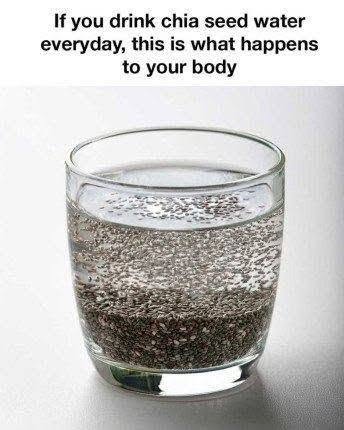
Chia seed water: Benefits, how to drink it, and how to use it


Chia seed water is a simple, nutritious drink made by soaking chia seeds in water until they absorb liquid and develop a soft, gel-like coating.
It can be a helpful addition to your daily diet because chia seeds contain fiber, omega-3 fatty acids, plant protein, antioxidants, and minerals.
Let’s look at its benefits, preparation, best time to drink it, and how to use it properly.
1. Top 10 benefits of drinking chia seed water
1. Supports digestion and gut health
-
Chia seeds are rich in dietary fiber.
-
Their soluble fiber absorbs water and forms a gel.
-
This helps soften stools and support regular bowel movements.
-
It can help with mild constipation when you also drink enough water.
Tip: Start with a small amount because too much fiber suddenly can cause bloating or gas.
2. Helps with weight management

Chia seeds may support weight management because:
-
Fiber absorbs water and expands.
-
The gel-like texture can help you feel full.
-
They may reduce hunger between meals.
-
They provide nutrients in a relatively small serving.
Important: Chia seed water does not directly burn belly fat or melt body fat. Weight management depends on your overall eating habits, activity, sleep, and calorie balance.
3. Supports heart health
Chia seeds contain plant-based omega-3 fatty acids called ALA (alpha-linolenic acid).
Potential benefits include:
-
Supporting cardiovascular health.
-
Helping maintain healthy cholesterol levels.
-
Supporting normal blood vessel function.
Chia seeds are not a replacement for cholesterol or blood pressure medication.
4. Helps maintain stable blood sugar
-
Chia fiber slows digestion and can slow the absorption of carbohydrates.
-
It may help reduce blood sugar spikes when eaten with meals.
-
It can be useful as part of a balanced diet.
People taking diabetes medication should monitor their blood sugar and discuss significant dietary changes with their healthcare professional.
5. Supports hydration
-
Chia seeds absorb several times their weight in water.
-
They form a gel when soaked.
-
Drinking the mixture contributes to your daily fluid intake.
Remember that chia seeds do not replace drinking plain water throughout the day.
6. Provides energy
Chia seeds contain:
-
Protein
-
Healthy fats
-
Fiber
-
Magnesium
-
Phosphorus
These nutrients help support normal energy metabolism and general health.
7. Supports bone health
Chia seeds contain minerals important for bones, including:
-
Calcium
-
Magnesium
-
Phosphorus
They can contribute to your daily mineral intake, alongside other nutritious foods.
8. Provides antioxidants
Chia seeds contain antioxidants that help protect cells against oxidative damage.
9. Supports skin health
Their omega-3 fats and antioxidants contribute to overall nutritional health, which supports normal skin function.
However, there is limited direct evidence that drinking chia seed water improves skin glow, removes acne, or reduces wrinkles.
10. Supports overall nutrition
Chia seeds are an easy way to add fiber, plant omega-3 fats, and minerals to your everyday diet.
2. How to prepare chia seed water correctly

Basic chia seed water recipe
Ingredients:
-
1 teaspoon chia seeds (for beginners).
-
1 glass of water (250–300 ml).
-
½ teaspoon lemon juice (optional).
-
A little honey (optional).
Preparation:
-
Take one glass of normal drinking water.
-
Add 1 teaspoon of chia seeds.
-
Stir thoroughly for 20–30 seconds.
-
Leave it to soak for 15–30 minutes.
-
Stir again to prevent clumping.
-
Wait until the seeds develop a gel-like coating.
-
Drink slowly.
You can also soak the seeds in the refrigerator overnight.
Recommended starting amount: 1 teaspoon daily. If you tolerate it well, gradually increase to 1 tablespoon.
3. Different ways to drink chia seed water
Here are five easy recipes.

1. Lemon chia water
-
1 tablespoon chia seeds
-
300 ml water
-
1 teaspoon lemon juice
Soak the seeds, then add lemon juice. A refreshing drink without added sugar.

2. Cucumber mint chia water
-
1 tablespoon chia seeds
-
300 ml water
-
3–4 cucumber slices
-
4 mint leaves
Soak the seeds and add cucumber and mint. A refreshing hydration option.

3. Orange chia water
-
1 tablespoon chia seeds
-
300 ml water
-
2 orange slices
Add orange slices after soaking. Gives a light citrus flavor.

4. Coconut chia water
-
1 tablespoon chia seeds
-
250 ml unsweetened coconut water
Soak for 20–30 minutes. Provides fluid and electrolytes, although coconut water contains natural sugars.

5. Cinnamon chia water
-
1 tablespoon chia seeds
-
300 ml water
-
A small pinch of cinnamon
Soak the seeds and mix in cinnamon for a mild, aromatic flavor.
4. Best time to drink chia seed water
There is no scientifically proven best time. You can choose the time that suits your routine.
|
Time |
Possible advantage |
|---|---|
|
Morning |
Easy way to add fiber and fluids |
|
20–30 minutes before lunch |
May help you feel fuller |
|
Afternoon |
Can be a filling alternative to sugary drinks |
|
Evening |
Adds fiber to your daily diet |
My practical suggestion: Try it in the morning with breakfast or between breakfast and lunch. You don’t need to drink it on an empty stomach.
5. How much chia seed water should you drink daily?
|
Amount |
Chia seeds |
Recommendation |
|---|---|---|
|
Beginner |
1 teaspoon |
Start here |
|
Regular use |
1 tablespoon |
Good practical serving |
|
Higher intake |
2 tablespoons |
Only if comfortably tolerated |
Two tablespoons (about 28 g) contain approximately:
-
140 calories
-
4 g protein
-
11 g fiber
-
7 g unsaturated fat
These are approximate nutritional values.
You don’t need to consume 2 tablespoons every day to get benefits.
6. How long does it take to see benefits?
This depends on your diet, lifestyle, and health.
|
Potential benefit |
What to expect |
|---|---|
|
Feeling full |
May occur after drinking |
|
Bowel regularity |
May improve over several days |
|
Better fiber intake |
Starts with regular consumption |
|
Cholesterol support |
Requires an overall healthy diet; effects are not guaranteed |
|
Weight management |
Depends on long-term eating and activity habits |
|
Skin health |
No established timeline or proven direct effect |
Chia seeds are nutritious, but research does not establish that chia water alone produces significant weight loss or treats medical conditions.
7. Important side effects and precautions
Chia seeds are generally safe for most people when consumed in appropriate amounts and prepared correctly.
However, keep these precautions in mind:
-
Bloating and gas: Too much fiber too quickly can cause bloating, gas, or abdominal discomfort.
-
Constipation: If you increase fiber without drinking enough fluids, constipation may worsen.
-
Swallowing problems: Never swallow a spoonful of dry chia seeds followed by water. They expand quickly and can cause an obstruction in the throat or esophagus.
-
Allergies: Stop consuming them if you experience itching, swelling, rash, or other allergic symptoms.
-
Medication interactions: If you take medication for diabetes or blood pressure, or blood-thinning medication, discuss regular high intake with your healthcare professional.
-
Digestive conditions: If you have difficulty swallowing or a significant digestive disorder, ask your doctor before using chia seeds.
If you experience difficulty breathing or throat swelling, seek emergency medical attention.
Sources:
8. Other ways to include chia seeds in your diet
You don’t have to drink chia water every day. You can also use chia seeds in your meals.

Chia oatmeal
Add 1 teaspoon to your breakfast oatmeal.

Chia yogurt
Mix 1 teaspoon into plain yogurt.

Chia smoothie
Blend soaked chia seeds with fruit and milk.

Chia pudding
Mix 2 tablespoons with ½ cup milk and refrigerate until thick.
9. A simple 7-day chia seed routine
Here is a gentle way to introduce chia seeds into your diet.
|
Day |
Amount |
How to use |
|---|---|---|
|
Day 1 |
1 tsp |
Plain chia water |
|
Day 2 |
1 tsp |
Lemon chia water |
|
Day 3 |
1 tsp |
Chia water in the morning |
|
Day 4 |
1 tsp |
Cucumber mint chia water |
|
Day 5 |
1 tbsp |
Plain chia water, if tolerated |
|
Day 6 |
1 tbsp |
Chia water or yogurt |
|
Day 7 |
1 tbsp |
Your preferred recipe |
You do not need to increase the quantity if 1 teaspoon already suits you. This is a gradual introduction plan, not a medical treatment.
10. Frequently asked questions
Q1. Can I drink chia seed water every day?
Yes. Most healthy adults can include it daily in moderate amounts, provided they tolerate the fiber and soak the seeds properly.
Q2. Can I drink chia water on an empty stomach?
Yes, if you tolerate it. However, there is no proven additional benefit to drinking it on an empty stomach.
Q3. Does chia seed water reduce belly fat?
No drink specifically targets belly fat. Chia seeds may help with fullness, which can support an overall weight-management plan.
Q4. Can I soak chia seeds overnight?
Yes. Mix them with sufficient water, cover the container, and refrigerate overnight.
Q5. Can I drink chia water at night?
Yes. There is no specific restriction against drinking it at night. If it causes bloating, try it earlier in the day.
Q6. Can I add honey?
Yes, but use a small amount. Honey adds sugar and calories, so it is optional.
Q7. Does chia water detox the body?
No. There is no reliable evidence that chia water detoxifies the body. Your liver and kidneys naturally perform this function.
11. My recommendation
For a simple everyday recipe, try:

-
1 tablespoon chia seeds
-
300 ml water
-
½ teaspoon lemon juice
-
Soak for 20–30 minutes.
-
Stir well and drink slowly.
Start with 1 teaspoon if you are new to chia seeds.
The biggest benefit is that you get additional fiber, plant-based omega-3 fats, and minerals in your diet. Consistency, a balanced diet, and adequate hydration matter more than any special timing.
12. Let me help you choose the right chia seed routine
What is your main reason for wanting to drink chia seed water?
1. Your main health goal
2. Your age group
3. Your diet
4. Any relevant health concern?