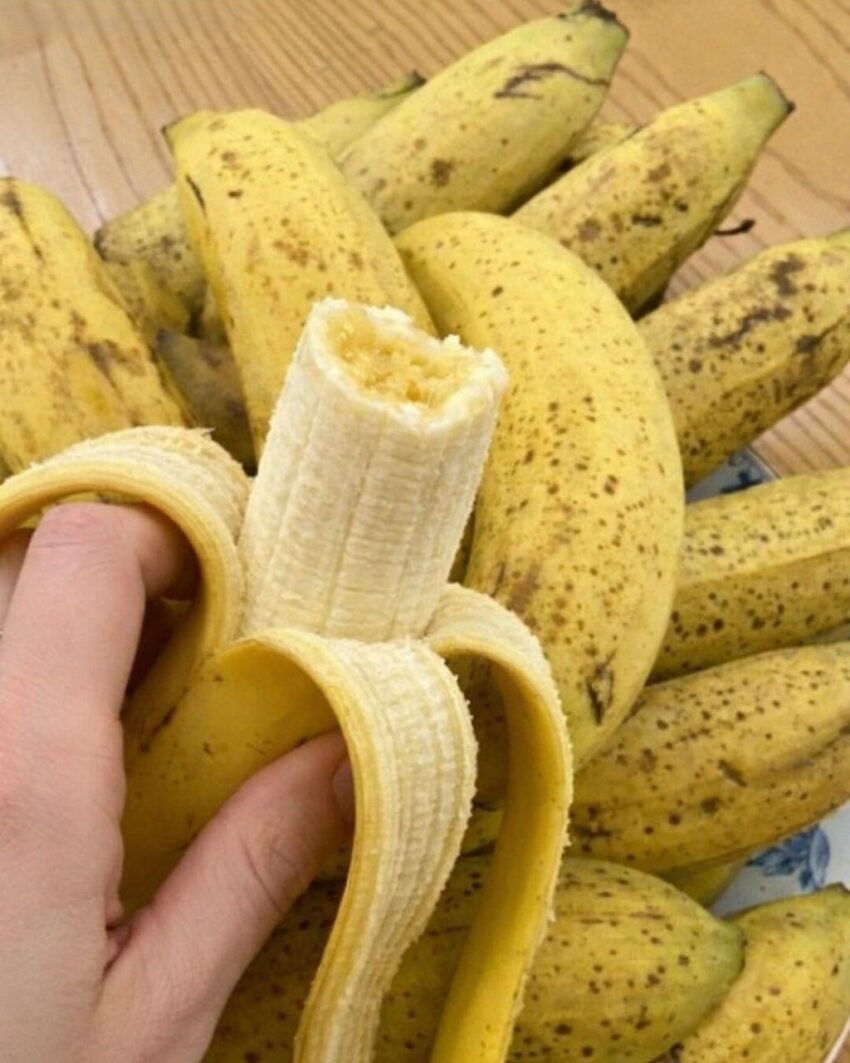
If you’re over 50, adding one banana a day to a balanced diet can provide several health benefits. Bananas are nutrient-dense, easy to eat, affordable, and widely available. Here’s a detailed look at how they may support health as people age.
1. Supports Heart Health
Bananas are rich in potassium, an essential mineral that helps:
- Regulate blood pressure
- Balance sodium levels in the body
- Support normal heart rhythm
- Reduce strain on blood vessels
As people age, the risk of high blood pressure and cardiovascular disease increases. A medium banana provides roughly 400–450 mg of potassium, contributing to daily needs.
2. Helps Maintain Healthy Digestion
Bananas contain:
- Dietary fiber
- Resistant starch (especially in slightly green bananas)
These nutrients can:
- Promote regular bowel movements
- Support beneficial gut bacteria
- Reduce constipation, which becomes more common with age
- Improve overall digestive comfort
A healthy gut may also contribute to better immune function and nutrient absorption.
3. Supports Muscle Function
Loss of muscle mass, known as Sarcopenia, becomes more common after age 50.
The potassium and carbohydrates in bananas help:
- Support muscle contractions
- Reduce the risk of muscle cramps
- Provide quick energy for physical activity
- Aid recovery after exercise
While bananas alone won’t prevent muscle loss, they can be part of a muscle-supportive diet that includes adequate protein and strength training.
4. Provides Steady Energy
Bananas contain natural carbohydrates from:
- Fructose
- Glucose
- Sucrose
Combined with fiber, these sugars are absorbed more gradually than many processed snacks.
Benefits include:
- Sustained energy levels
- Reduced afternoon energy crashes
- Convenient pre- or post-workout fuel
5. May Support Bone Health
Although bananas are not especially high in calcium, they contain nutrients that may indirectly support bone health:
- Potassium
- Magnesium
- Vitamin C
Potassium may help reduce calcium loss through urine, potentially supporting stronger bones over time when combined with adequate calcium and vitamin D intake.
6. Supports Brain Function
Bananas provide:
- Vitamin B6
- Antioxidants
- Carbohydrates that fuel the brain
Vitamin B6 helps the body produce neurotransmitters involved in:
- Memory
- Mood regulation
- Cognitive function
Maintaining adequate B-vitamin intake becomes increasingly important with age.
7. May Help With Mood and Stress
Bananas contain:
- Vitamin B6
- Small amounts of tryptophan
These nutrients participate in the production of neurotransmitters such as serotonin, which influences mood and emotional well-being.
While bananas are not a treatment for depression or anxiety, they can contribute to overall nutritional support for mental health.
8. Rich in Antioxidants
Bananas contain antioxidant compounds, including:
- Dopamine
- Catechins
Antioxidants help combat oxidative stress, which is associated with aging and various chronic diseases.
A diet rich in fruits and vegetables is linked to healthier aging overall.
9. Can Help With Weight Management
Bananas are:
- Relatively low in calories (about 100–120 calories each)
- Filling due to their fiber content
- Naturally sweet
Replacing high-sugar desserts or processed snacks with a banana may help control calorie intake while satisfying sweet cravings.
10. Convenient and Easy to Eat
For some older adults who may have dental issues, reduced appetite, or difficulty preparing meals, bananas offer:
- Soft texture
- No preparation required
- Portability
- Long shelf life
This makes them a practical source of nutrients.
Potential Considerations
Bananas are healthy for most people, but some individuals should be mindful of intake:
- People with advanced kidney disease may need to limit potassium intake.
- Those with diabetes can generally eat bananas, but portion size and overall carbohydrate intake matter.
- Variety remains important—no single food provides all nutrients needed for healthy aging.
Simple Ways to Include a Banana Daily
- Add sliced banana to oatmeal.
- Blend it into smoothies.
- Eat it with peanut butter or nuts.
- Mix it into yogurt.
- Slice it onto whole-grain toast.
- Freeze it for a healthy dessert.
Bottom Line
For adults over 50, eating one banana a day can support heart health, digestion, muscle function, energy levels, and overall nutrition. While it’s not a miracle food, it is a simple, nutrient-rich habit that can contribute to healthy aging when combined with a balanced diet, regular exercise, adequate sleep, and routine medical care.