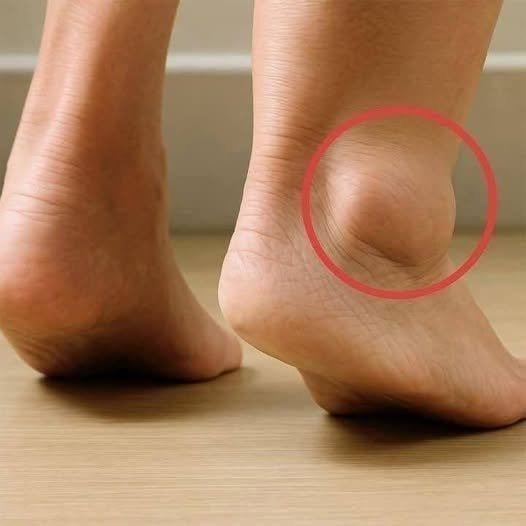
Here are some common causes:
- Standing or sitting for long periods: Gravity causes fluid to collect in the feet and ankles.
- Hot weather: Blood vessels expand in the heat, making it easier for fluid to leak into surrounding tissues.
- Pregnancy: Mild swelling is common, especially later in pregnancy. However, sudden or severe swelling, especially with high blood pressure, needs prompt medical evaluation.
- Injury: A sprain, fracture, or other injury can cause swelling.
- Certain medications: Some blood pressure medications, steroids, hormone therapies, and anti-inflammatory drugs can cause swelling.
- Venous insufficiency: Veins have trouble returning blood from the legs to the heart, leading to fluid buildup.
- Heart failure: The heart doesn’t pump effectively, allowing fluid to accumulate in the legs and feet.
- Kidney disease: Damaged kidneys may not remove excess fluid and salt efficiently.
- Liver disease: Low protein levels and increased pressure in blood vessels can contribute to swelling.
- Lymphedema: Damage or blockage in the lymphatic system causes persistent swelling.
- Infections or inflammation: These can make one or both feet swell.
When should you seek medical care?
Seek emergency care immediately if foot swelling occurs with:
- Chest pain
- Shortness of breath
- Fainting
- Swelling after a serious injury with severe pain or deformity
See a healthcare provider promptly if:
- The swelling is new, persistent, or worsening.
- Only one leg or foot is swollen, especially if it’s painful, warm, or red (which can indicate a blood clot or infection).
- You have kidney, heart, or liver disease.
- The swelling leaves a deep indentation when pressed (called “pitting edema”) and doesn’t improve.
What can help with mild swelling?
If the swelling appears to be from prolonged standing or sitting and you don’t have concerning symptoms, you can try:
- Elevating your feet above heart level several times a day.
- Walking and moving your ankles regularly.
- Reducing excess salt in your diet.
- Wearing properly fitted compression stockings if recommended by a healthcare provider.
- Maintaining a healthy weight and staying physically active.
Swollen feet are a symptom, not a diagnosis. They can result from something as simple as standing all day or from an underlying medical condition that requires treatment. If the swelling is unexplained, lasts more than a few days, or is accompanied by pain or other concerning symptoms, it’s important to be evaluated by a healthcare professional.