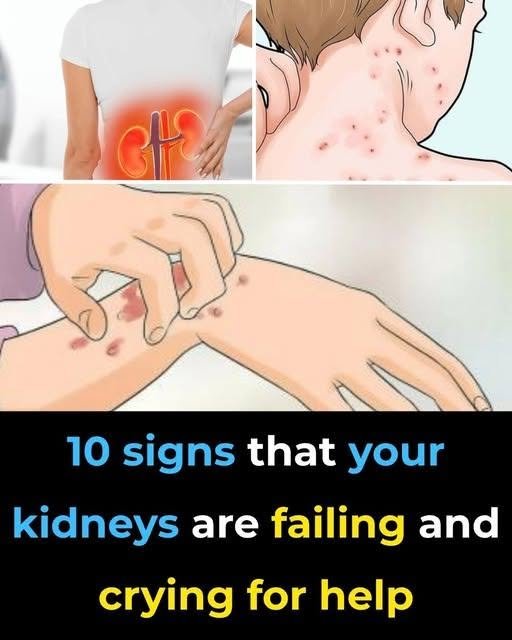
Here are 10 common signs that may indicate kidney problems, explained in detail:
1. Changes in Urination
Because kidneys produce urine, changes in urination are often among the earliest warning signs.
Possible changes include:
- Urinating more often, especially at night (nocturia)
- Urinating less than usual
- Difficulty starting urination
- A weak urine stream
- Foamy or bubbly urine, which may suggest protein leakage
- Blood in the urine, which can appear pink, red, or tea-colored
Persistent changes should be checked by a healthcare professional, especially if they occur with swelling, pain, or fatigue.
2. Swelling in the Feet, Ankles, Hands, or Face
Healthy kidneys remove excess fluid and maintain the right salt balance. When kidney function declines, fluid may accumulate in tissues.
Common areas of swelling:
- Ankles and feet
- Lower legs
- Hands
- Around the eyes, especially in the morning
This swelling is called edema. It can also occur with heart or liver problems, so medical evaluation is important.
3. Constant Fatigue and Weakness
Damaged kidneys may not produce enough of the hormone erythropoietin (EPO), which helps the body make red blood cells.
Low red blood cell levels can lead to anemia, causing:
- Tiredness even after adequate rest
- Low energy
- Weakness
- Difficulty concentrating
- Shortness of breath during activity
Waste buildup in the blood can also contribute to feeling unwell.
4. Persistent Back or Side Pain
Some kidney conditions can cause pain in the area where the kidneys are located.
Possible kidney-related pain:
- Pain on one or both sides of the lower back
- Pain below the ribs
- A deep, aching sensation
Kidney stones, infections, or inflammation may cause sharper pain. Not all kidney disease causes pain, so the absence of pain does not mean kidneys are healthy.
5. Changes in Urine Appearance or Smell
Urine changes can sometimes signal kidney issues.
Watch for:
- Excessive bubbles or foam that does not disappear quickly
- Cloudy urine
- Dark-colored urine
- Strong or unusual odor
- Blood in urine
Foamy urine can occur when protein leaks through damaged kidney filters, a condition called proteinuria.
6. High Blood Pressure
The kidneys help regulate blood pressure. When kidney function declines, the body may retain sodium and fluid, and hormones that control blood pressure can become imbalanced.
Kidney-related high blood pressure may:
- Be difficult to control
- Worsen kidney damage over time
- Increase the risk of heart disease and stroke
High blood pressure and kidney disease often affect each other in a cycle.
7. Nausea, Vomiting, or Loss of Appetite
When kidneys cannot remove waste efficiently, toxins can accumulate in the blood, a condition called uremia.
Symptoms may include:
- Nausea
- Vomiting
- Poor appetite
- Weight loss
- A metallic taste in the mouth
- Bad breath with an ammonia-like smell
These symptoms are more common in advanced kidney disease.
8. Itchy Skin and Dry Skin
Kidneys help maintain mineral balance. When kidney function declines, minerals such as phosphorus can build up and calcium balance can be disturbed.
This may cause:
- Persistent itching
- Dry or irritated skin
- Skin discomfort without an obvious rash
Severe itching is more common in later stages of chronic kidney disease.
9. Trouble Sleeping and Muscle Cramps
Kidney problems may affect sleep and muscles because of:
- Waste buildup in the body
- Mineral and electrolyte imbalances
- Restless legs symptoms
- Discomfort from fluid retention
Possible signs:
- Difficulty falling asleep
- Waking frequently
- Leg cramps
- Muscle weakness or twitching
10. Shortness of Breath
Kidney problems can contribute to breathing difficulties in several ways:
- Fluid buildup may collect in the lungs
- Anemia may reduce oxygen delivery
- Extra fluid may increase strain on the heart
Shortness of breath, especially when lying down, should be medically evaluated.
Risk Factors That Increase the Chance of Kidney Problems
You may have a higher risk if you have:
- Diabetes
- High blood pressure
- Heart disease
- A family history of kidney disease
- Obesity
- Smoking history
- Frequent use of certain pain medicines (especially NSAIDs like ibuprofen or naproxen)
- Older age
Tests That Check Kidney Function
Doctors commonly use:
1. Blood tests
- Creatinine
- eGFR (estimated glomerular filtration rate) — estimates how well kidneys filter blood
2. Urine tests
- Protein or albumin in urine
- Blood in urine
- Signs of infection
3. Imaging tests
- Ultrasound or other scans to look at kidney structure
When to Seek Medical Care Quickly
Contact a healthcare professional if you notice:
- Blood in urine
- Sudden decrease in urination
- Severe swelling
- Chest pain or severe shortness of breath
- Confusion
- Persistent vomiting
- Severe side or back pain with fever
Many kidney problems develop slowly and may have few symptoms early on. Regular checkups and kidney function tests are especially important for people with diabetes, high blood pressure, or other risk factors.