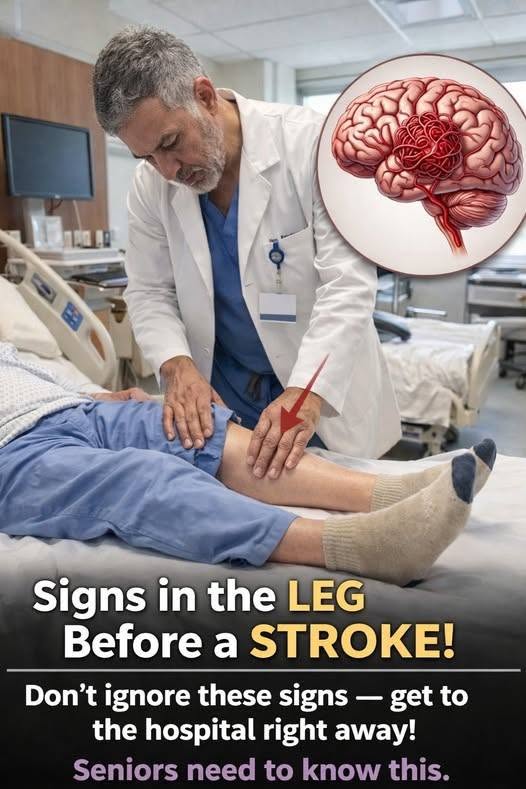
Leg weakness or numbness can be an early warning sign of a stroke, especially if it appears suddenly and affects one side of the body. However, many other conditions can also cause leg weakness or numbness, so it’s important to understand the differences.
What Is a Stroke?
A stroke occurs when blood flow to part of the brain is interrupted or when a blood vessel in the brain ruptures. Brain cells begin to die within minutes because they are deprived of oxygen and nutrients.
There are two main types:
- Ischemic stroke (most common) – caused by a blocked artery.
- Hemorrhagic stroke – caused by bleeding in the brain.
A related condition, called a Transient Ischemic Attack (TIA) or “mini-stroke,” causes temporary stroke-like symptoms and is often a warning sign of a future stroke.
How a Stroke Can Cause Leg Weakness or Numbness
The brain controls movement and sensation in different parts of the body. If a stroke affects areas responsible for the leg, you may experience:
- Sudden weakness in one leg
- Difficulty standing or walking
- Loss of coordination or balance
- Numbness or reduced sensation in the leg
- A feeling that the leg is “heavy” or won’t respond normally
Symptoms usually occur on one side of the body because each side of the brain primarily controls the opposite side of the body.
Examples
A person might:
- Suddenly drag one foot while walking.
- Notice that one leg feels weak when climbing stairs.
- Experience numbness from the hip down to the foot on one side.
- Feel unstable and unable to bear weight on one leg.
Warning Signs That Suggest a Stroke
Seek emergency medical care immediately if leg weakness or numbness occurs with any of the following:
F – Face Drooping
- One side of the face droops.
- Uneven smile.
A – Arm Weakness
- One arm becomes weak or numb.
S – Speech Difficulty
- Slurred speech.
- Trouble speaking or understanding speech.
T – Time to Call Emergency Services
- Immediate treatment is critical.
Additional stroke symptoms include:
- Sudden confusion
- Sudden vision loss or double vision
- Severe headache with no known cause
- Sudden dizziness
- Loss of balance or coordination
- Difficulty walking
What Makes Leg Weakness More Likely to Be Stroke-Related?
Features that increase concern include:
Sudden Onset
Stroke symptoms typically appear within seconds or minutes.
One-Sided Symptoms
Weakness or numbness affecting only the left or right leg is more concerning than symptoms affecting both legs equally.
Accompanying Neurological Symptoms
Speech problems, facial drooping, vision changes, or arm weakness strongly suggest a possible stroke.
Presence of Stroke Risk Factors
Risk factors include:
- High blood pressure
- Diabetes
- Smoking
- High cholesterol
- Heart disease
- Atrial fibrillation
- Obesity
- Older age
- Previous TIA or stroke
- Family history of stroke
Conditions That Can Mimic Stroke
Not all leg weakness or numbness is caused by stroke.
Nerve Compression (Sciatica)
Symptoms:
- Pain shooting down the leg
- Numbness or tingling
- Often worsens with certain positions
Peripheral Neuropathy
Symptoms:
- Burning, tingling, or numbness
- Usually affects both feet and legs
- Common in diabetes
Herniated Disc
Symptoms:
- Back pain
- Leg weakness or numbness
- Pain radiating down the leg
Multiple Sclerosis
Symptoms:
- Episodes of weakness or numbness
- Vision problems
- Balance difficulties
Vitamin Deficiencies
Low vitamin B12 levels can cause:
- Numbness
- Weakness
- Difficulty walking
Migraine With Aura
Rarely, migraines can cause temporary weakness or numbness.
Transient Ischemic Attack (TIA): A Critical Warning
A TIA can cause:
- Temporary leg weakness
- Temporary numbness
- Symptoms lasting minutes to hours
- Complete recovery afterward
Even if symptoms disappear, a TIA is a medical emergency because it may precede a major stroke within days or weeks.
When to Seek Emergency Help
Call emergency services immediately if:
- Leg weakness or numbness starts suddenly.
- Symptoms affect one side of the body.
- Speech, vision, balance, or facial symptoms occur.
- Symptoms come and go.
- You suspect a stroke, even if symptoms improve.
Do not drive yourself if a stroke is suspected.
How Doctors Evaluate Possible Stroke
Emergency evaluation may include:
- Neurological examination
- Blood tests
- Brain imaging such as a CT scan or MRI
- Heart rhythm monitoring
- Ultrasound of neck arteries
Rapid diagnosis helps determine whether clot-busting treatments or other interventions are appropriate.
Key Takeaway
Sudden leg weakness or numbness—especially on one side of the body—can be an early warning sign of a stroke or TIA. If it occurs suddenly, particularly with facial drooping, arm weakness, speech difficulty, vision changes, or balance problems, seek emergency medical attention immediately. Time-sensitive treatment can significantly improve outcomes and reduce the risk of permanent disability.
If you’re asking because you or someone else is experiencing leg weakness or numbness right now, tell me:
- How old is the person?
- Did the symptoms start suddenly or gradually?
- Is one leg or both legs affected?
- Are there any other symptoms (speech changes, facial drooping, arm weakness, dizziness, vision changes, headache)?
Those details can help assess how urgent the situation may be.