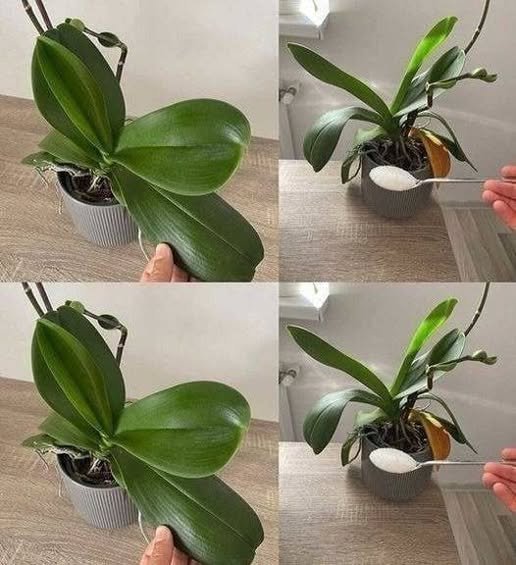
It sounds like you are asking about a powerful orchid fertilizer where one tablespoon is enough to help orchids bloom continuously. There is no single fertilizer that can guarantee nonstop blooming, but the right feeding routine can encourage healthy growth and repeated flowering.
A “one tablespoon” orchid fertilizer method
A common approach is using a balanced orchid fertilizer (such as an NPK fertilizer like 20-20-20 or an orchid-specific formula). The amount depends on the product concentration, so always check the label. A typical diluted feeding method is:
- 1 tablespoon of water-soluble orchid fertilizer
- Mixed into a large amount of water (often around 4 liters / 1 gallon, depending on the label)
- Use the solution to water the orchid roots, not the leaves or flowers.
- Fertilize every 2–4 weeks during active growth.
How fertilizer helps orchids bloom
Orchids need three main nutrients:
- Nitrogen (N): Supports green leaves and strong growth.
- Phosphorus (P): Helps with root development and flower production.
- Potassium (K): Improves plant strength and flowering quality.
Some growers use a slightly higher phosphorus fertilizer before flowering, but excessive fertilizer can burn orchid roots and reduce blooming.
Natural fertilizer options (used carefully)
Some orchid growers also use:
1. Banana peel fertilizer
- Provides potassium and small amounts of minerals.
- Make a diluted liquid extract and use occasionally.
- Do not use thick, concentrated mixtures because they can attract pests or cause root problems.
2. Rice water
- Contains small amounts of nutrients.
- Use plain, unsalted rice-rinsing water occasionally.
3. Compost tea
- Must be very weak and well-filtered.
- Strong organic mixtures can damage orchid roots.
For continuous blooming, fertilizer alone is not enough
To encourage repeated flowers, orchids also need:
✅ Bright indirect light (avoid harsh midday sun)
✅ Proper watering (allow roots to dry slightly between watering)
✅ Good drainage (never leave roots sitting in water)
✅ Humidity around 40–70%
✅ Temperature difference between day and night (often helps trigger flower spikes)
✅ Repotting every 1–2 years with orchid bark or a suitable medium
Common mistake
Using too much fertilizer does not create more flowers. Orchids are often called “light feeders”—small, regular doses work better than heavy feeding.
If you tell me your orchid type (for example Phalaenopsis orchid, Dendrobium orchid, or another variety) and your climate, I can suggest a more exact fertilizer schedule.