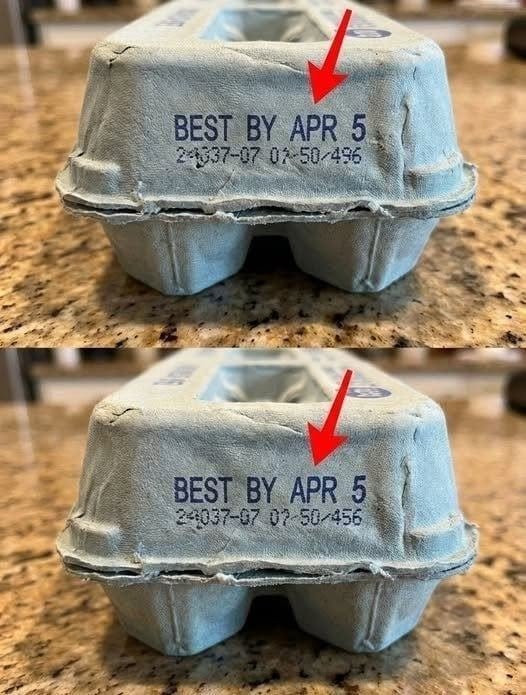
Here’s the distinction:
- “Best By” or “Best Before”: Indicates when the manufacturer expects the product to be at its best quality (flavor, texture, freshness). Food is often still safe to eat after this date if it has been stored properly.
- “Use By”: The last date recommended for peak quality. For certain highly perishable foods (especially infant formula in the U.S.), this date is more important and should be followed.
- “Sell By”: Intended for retailers to manage inventory. Consumers can often safely use the product after this date, provided it has been stored correctly.
- “Freeze By”: Suggests when to freeze the product to maintain quality.
Whether food is still safe depends on several factors:
- The type of food (fresh meat vs. canned goods vs. dry pasta).
- How it has been stored (consistent refrigeration is critical for perishables).
- Whether the packaging is intact.
- Signs of spoilage, such as mold, off odors, unusual texture, bulging cans, or leaking packages.
For example:
- Dry foods like rice, pasta, and crackers may remain usable for months after a “best by” date if kept dry.
- Canned foods can often last well beyond their quality date if the can isn’t damaged.
- Milk may still be good for several days after its printed date if it has stayed cold, but it should be checked for spoilage.
- Fresh meat and poultry should be handled more cautiously because they can become unsafe even if they look or smell normal.
Your experience in grocery stores probably gave you a practical sense that many products are discarded simply because people assume the printed date means “unsafe after this day.” In reality, for most packaged foods, those dates are about quality, not an automatic safety cutoff. Using proper storage and checking for signs of spoilage can help reduce unnecessary food waste while still keeping food safety in mind.