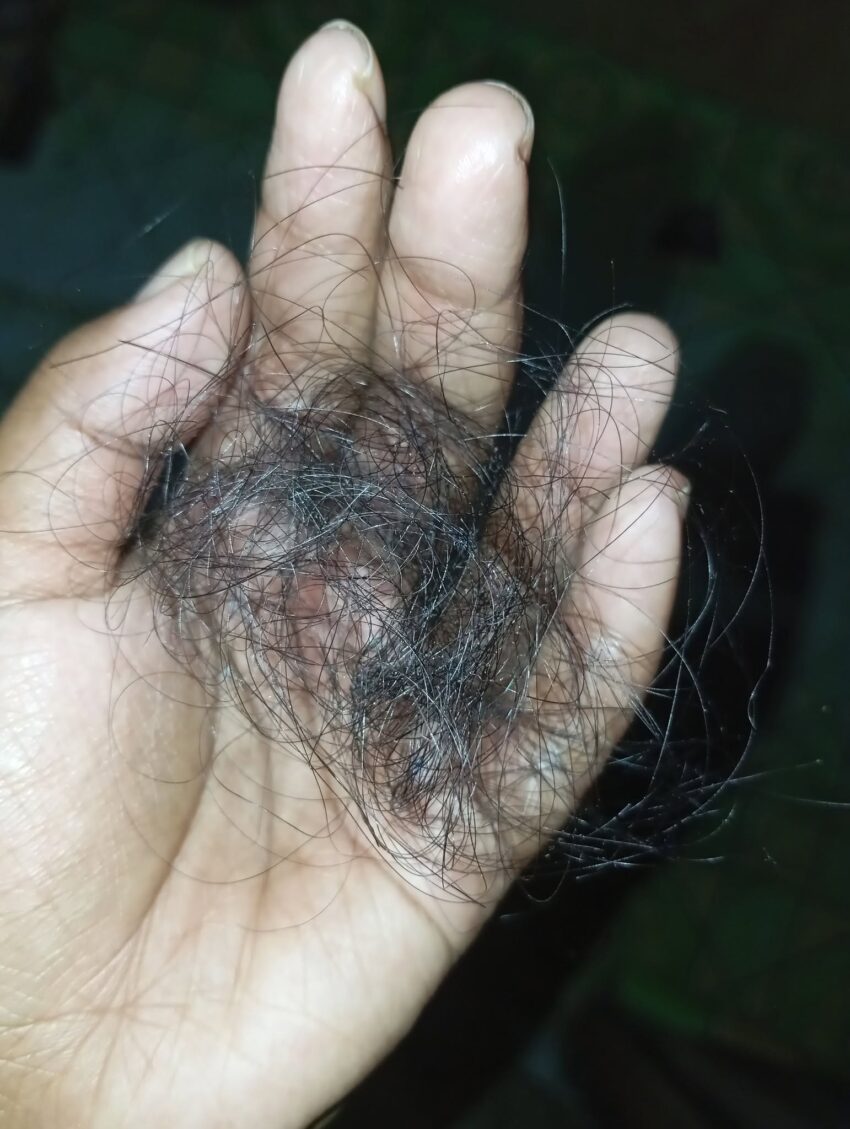
If by “hair loss recipe” you mean a home/natural recipe to reduce hair fall and support hair growth, I can give you a safe one—but it’s important to know that no kitchen recipe can reliably treat the underlying causes of hair loss. Hair loss can result from genetics, iron/protein deficiency, thyroid problems, illness or stress, medications, scalp conditions, or tight hairstyles. Finding the cause is the most important step.
A safe nutrition “recipe” for healthier hair
Daily hair-support smoothie
Ingredients:
- 1 cup milk or unsweetened soy milk
- ½ cup Greek yogurt
- ½ cup berries
- 1 tablespoon ground flaxseed or chia seeds
- 1 tablespoon pumpkin seeds
- ½ banana
- Optional: a handful of spinach
How to make it:
- Put everything into a blender.
- Blend until smooth.
- Drink once daily, preferably as part of breakfast.
- Continue eating regular balanced meals rather than relying on the smoothie alone.
This provides protein and a variety of nutrients that support normal hair growth. In particular, inadequate protein, iron, zinc, or certain other nutrients can contribute to hair loss.
Important: don’t overdo supplements
Don’t automatically take high-dose biotin, iron, zinc, vitamin A, or vitamin E for hair loss. Supplements are most useful when a deficiency is actually present, and excessive amounts of some nutrients can themselves contribute to hair loss or other problems.
What you can do to reduce hair damage
Important: don’t overdo supplements
- Use a gentle shampoo and moisturizing conditioner.
- Avoid very tight ponytails, braids, buns, or extensions.
- Minimize straighteners, curling irons, and high-heat blow-drying.
- Comb gently rather than pulling through knots.
- Avoid frequent chemical straightening, relaxing, or harsh coloring if your hair is already fragile.
If you’re actually losing hair from the roots
If you’re seeing a widening part, receding hairline, bald patches, or persistent thinning, a homemade oil or mask is unlikely to be enough. Minoxidil is one evidence-based treatment for some forms of hereditary hair loss, although it doesn’t work for everyone and generally has to be continued to maintain its benefit.
A dermatologist can determine whether you’re dealing with hereditary hair loss, excessive shedding, a nutritional deficiency, thyroid disease, scalp infection, alopecia areata, or another cause.
If you tell me your age, whether you’re male or female, how long you’ve been losing hair, and whether it’s thinning all over or forming bald patches, I can give you a much more specific 30-day hair-loss diet + hair-care routine.