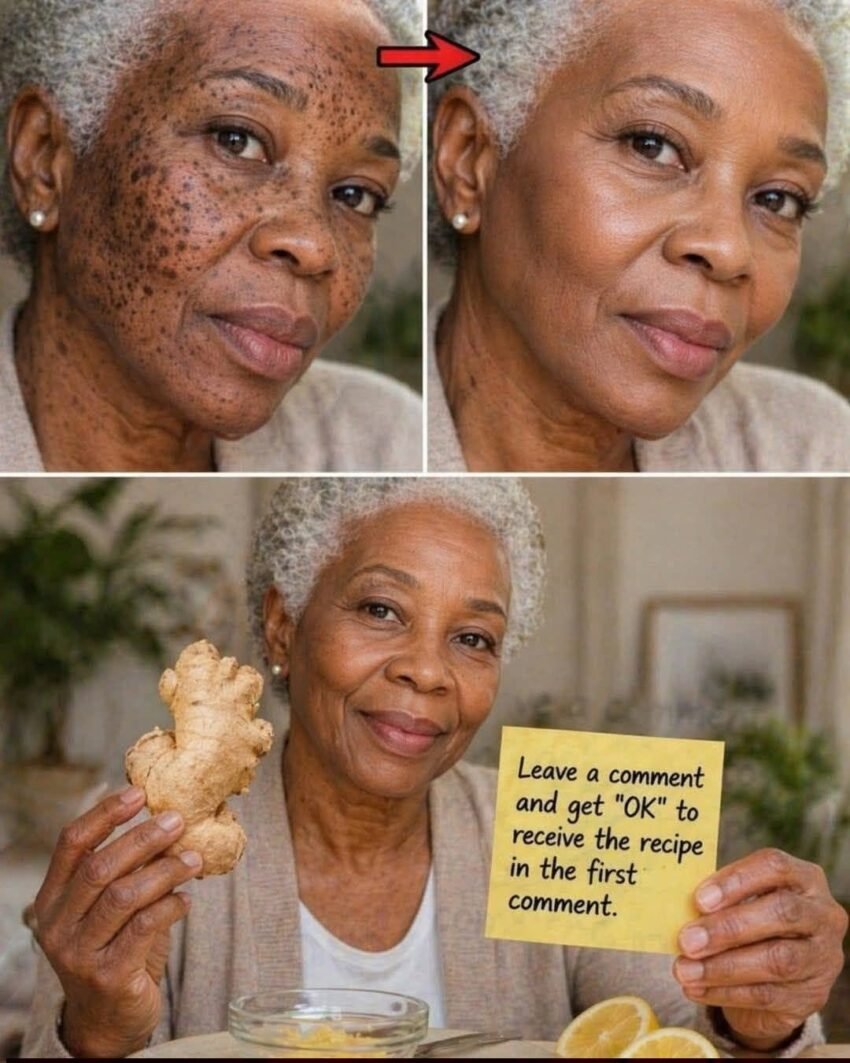
Potato and Ginger for Dark Spots: Can This Natural Remedy Really Transform Your Skin? (Detailed Information)
Dark spots (also called hyperpigmentation) are common skin concerns caused by excess production of melanin, the pigment responsible for skin colour. They can appear due to acne scars, sun exposure, hormonal changes, ageing, or skin irritation. Many natural remedies claim to reduce dark spots, and a popular one is the combination of potato and ginger.
But can potato and ginger truly transform your skin? Let’s look at the science, benefits, limitations, and safe ways to use them.
1. Why Are Potato and Ginger Used for Dark Spots?
Potato for Skin Brightening
Potato is often used in home skincare because it contains:
- Vitamin C – An antioxidant that may help brighten dull skin and support collagen production.
- Starch – Gives a temporary smoothing effect on the skin.
- Enzymes and plant compounds – Some people believe these may help improve uneven skin tone.
The idea behind potato juice for dark spots is that its natural compounds may gently exfoliate and reduce the appearance of pigmentation over time.
However: There is limited scientific evidence proving that applying raw potato directly to the skin can remove deep pigmentation or permanent dark spots.
Ginger for Skin Health
Ginger contains bioactive compounds such as:
- Gingerol – A powerful antioxidant with anti-inflammatory properties.
- Phenolic compounds – May help protect skin from oxidative stress.
Potential skin benefits include:
- Helping reduce inflammation
- Supporting healthier-looking skin
- Improving overall skin appearance
However: Ginger can be irritating for some people, especially when applied directly in concentrated form.
2. How Might Potato and Ginger Help Dark Spots?
A potato and ginger mixture may help dark spots in a few possible ways:
1. Antioxidant Protection
Free radicals from pollution, UV exposure, and stress can contribute to uneven skin tone. Antioxidants in plants may help protect skin cells from oxidative damage.
2. Mild Exfoliation
Potato contains natural enzymes and acids that may help remove dead skin cells from the surface, making skin appear brighter.
3. Reducing Inflammation
Inflammation can worsen pigmentation, especially after acne or irritation. Ginger’s anti-inflammatory compounds may help calm the skin.
4. Temporary Brightening Effect
After using a fresh natural mask, skin may look smoother and brighter because of hydration and removal of surface debris.
3. Potato and Ginger Face Mask Recipe for Dark Spots
Ingredients:
- 1 small potato
- A small piece of fresh ginger
- 1 teaspoon honey or aloe vera gel (optional)
Method:
- Wash and peel the potato.
- Grate the potato and extract a small amount of juice.
- Crush or grate a small piece of ginger.
- Mix a few drops of ginger juice with potato juice.
- Add honey or aloe vera if your skin feels dry.
- Apply a thin layer to clean skin.
- Leave for 10–15 minutes.
- Rinse with lukewarm water.
- Apply moisturiser afterward.
Frequency:
Use 1–2 times per week initially.
4. Important Safety Considerations
Although natural, this remedy is not risk-free.
Ginger Can Cause Irritation
Fresh ginger may cause:
- Burning sensation
- Redness
- Itching
- Dryness
- Skin sensitivity
Always perform a patch test:
- Apply a small amount behind your ear or on your inner arm.
- Wait 24 hours.
- If there is no irritation, consider using it on your face.
Avoid Using It On:
- Open wounds
- Active eczema
- Severely irritated skin
- Fresh acne injuries
- Skin after chemical peels or harsh treatments
5. How Long Does It Take to See Results?
Natural remedies usually work slowly, and results vary.
Possible timeline:
- Immediately: Skin may feel softer or look temporarily brighter.
- 4–8 weeks: Mild improvement in overall skin appearance may occur.
- Several months: More noticeable changes require consistent skincare and sun protection.
Deep pigmentation, melasma, and old acne marks often need proven treatments rather than only home remedies.
6. What Works Better for Dark Spots?
For scientifically supported improvement, dermatologists often recommend ingredients such as:
Vitamin C
- Helps brighten uneven skin tone
- Provides antioxidant protection
Niacinamide
- Helps reduce the transfer of pigment to skin cells
- Supports the skin barrier
Retinoids (Retinol/Retinoids)
- Increase skin cell turnover
- May improve pigmentation over time
Alpha Hydroxy Acids (AHAs)
Examples:
- Glycolic acid
- Lactic acid
They exfoliate and help improve skin texture.
Sunscreen (Most Important)
Daily sunscreen is essential because UV exposure can make dark spots darker and slow improvement.
Use a broad-spectrum sunscreen with SPF 30 or higher every morning.
7. Potato and Ginger vs Dermatological Treatments
| Treatment | Evidence for Dark Spots | Speed of Results |
|---|---|---|
| Potato + ginger | Limited scientific evidence | Slow/uncertain |
| Vitamin C | Moderate evidence | Weeks to months |
| Niacinamide | Good evidence | Weeks to months |
| Retinoids | Strong evidence | Months |
| Chemical peels | Stronger clinical evidence | Faster but requires care |
| Laser treatments | Strong evidence for some pigmentation | Depends on skin type |
Final Verdict: Can Potato and Ginger Transform Your Skin?
Potato and ginger may provide temporary brightness, smoother texture, and antioxidant benefits, but there is no strong scientific proof that they can completely remove dark spots or transform skin permanently.
If you enjoy natural skincare, this remedy can be used as a gentle occasional mask, but the most effective approach is:
- Wear sunscreen daily.
- Use proven brightening ingredients.
- Avoid picking acne or irritating your skin.
- Be consistent with your skincare routine.
Healthy skin improvement usually comes from a combination of protection, suitable products, and patience rather than a single home remedy.