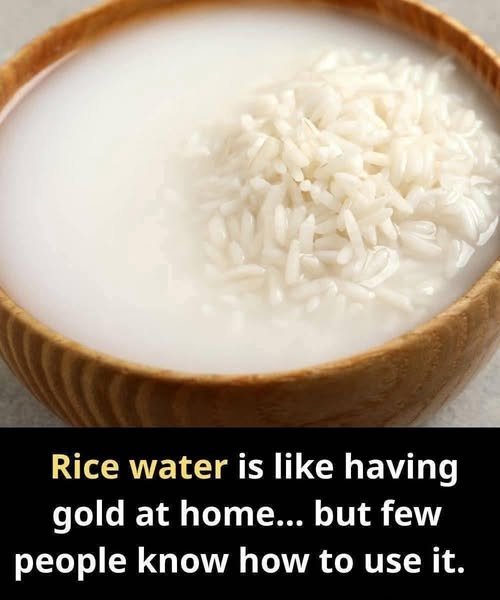
Rice water has been used for centuries in many cultures as a low-cost household remedy. It contains small amounts of starch, amino acids, B vitamins, minerals, and antioxidants that may have benefits for hair, skin, and some household uses. While there is some scientific support for certain traditional uses, many popular claims (such as curing diseases or dramatically accelerating hair growth) are not well proven.
What Is Rice Water?
Rice water is the cloudy liquid left after soaking or boiling rice. It contains:
- Starch
- Amino acids
- Vitamin B complex (small amounts)
- Vitamin E (trace amounts)
- Magnesium
- Potassium
- Zinc (trace amounts)
- Antioxidants such as ferulic acid
How to Make Rice Water
Method 1: Soaking (Best for Hair and Skin)
- Wash ½ cup of uncooked rice to remove dirt.
- Add 2 cups of clean water.
- Soak for 30 minutes.
- Stir well.
- Strain the liquid into a clean bottle.
Method 2: Fermented Rice Water
- Prepare soaked rice water.
- Leave it at room temperature for 24–48 hours until it develops a slightly sour smell.
- Refrigerate after fermentation.
- Dilute with equal parts water before use.
Fermented rice water may contain higher levels of certain antioxidants, but it can also irritate sensitive skin or scalps.
Method 3: Boiled Rice Water
- Cook rice with extra water.
- Before the rice is fully cooked, strain off the excess liquid.
- Allow it to cool before using.
Uses for Hair
Rice water is commonly used as a hair rinse because it contains starch and a carbohydrate called inositol, which may temporarily coat the hair shaft and reduce friction.
How to use:
- Shampoo your hair.
- Pour rice water over your hair.
- Massage into the scalp for 2–5 minutes.
- Leave it on for 10–20 minutes.
- Rinse with cool or lukewarm water.
Possible benefits:
- Hair may feel smoother and shinier.
- May reduce breakage in some people.
- Can make hair easier to detangle.
Use it 1–2 times per week. Overuse may leave hair stiff or dry.
Uses for Skin
Rice water can be used as a gentle facial rinse or toner.
How to use:
- Soak a cotton pad in rice water.
- Apply gently to clean skin.
- Leave for 10–15 minutes.
- Rinse if desired.
Possible benefits:
- Temporary soothing effect.
- May help reduce dryness.
- Can leave skin feeling softer.
People with sensitive skin should do a patch test first.
Household Uses
Rice water can also be used to:
- Water some plants occasionally (in moderation, without added salt).
- Clean glass and some metal surfaces because of its starch content.
- Add to compost.
Can You Drink Rice Water?
Plain rice water can provide fluids and small amounts of carbohydrates. It has traditionally been used in some places to help maintain hydration during mild diarrhoea, but it is not a replacement for oral rehydration solution (ORS), especially in children or severe illness.
If drinking rice water:
- Use clean water and properly washed rice.
- Avoid adding excessive sugar.
- Refrigerate leftovers and use within 24–48 hours.
Storage
- Refrigerate immediately after preparation.
- Use within 3–5 days for hair or skin applications.
- Discard if it develops mould, an unpleasant smell (unless intentionally fermented), or changes colour.
Who Should Be Careful?
Avoid or stop using rice water if:
- You develop itching, redness, or irritation.
- You have an allergy to rice.
- Your hair becomes excessively dry or brittle.
What Does the Evidence Say?
Research suggests rice water may:
- Improve hair smoothness and reduce friction between strands.
- Temporarily strengthen the hair surface through starch and inositol.
- Help support the skin’s barrier in some people.
However, there is no strong scientific evidence that rice water:
- Dramatically speeds up hair growth.
- Reverses baldness.
- Permanently removes wrinkles.
- Treats serious skin diseases.
- Cures medical conditions.
Bottom line
Rice water is an inexpensive, easy-to-make home remedy that may improve the appearance and feel of hair and skin for some people. It is generally safe when prepared hygienically and used in moderation, but it should not be considered a substitute for medically proven treatments when managing health or skin conditions.