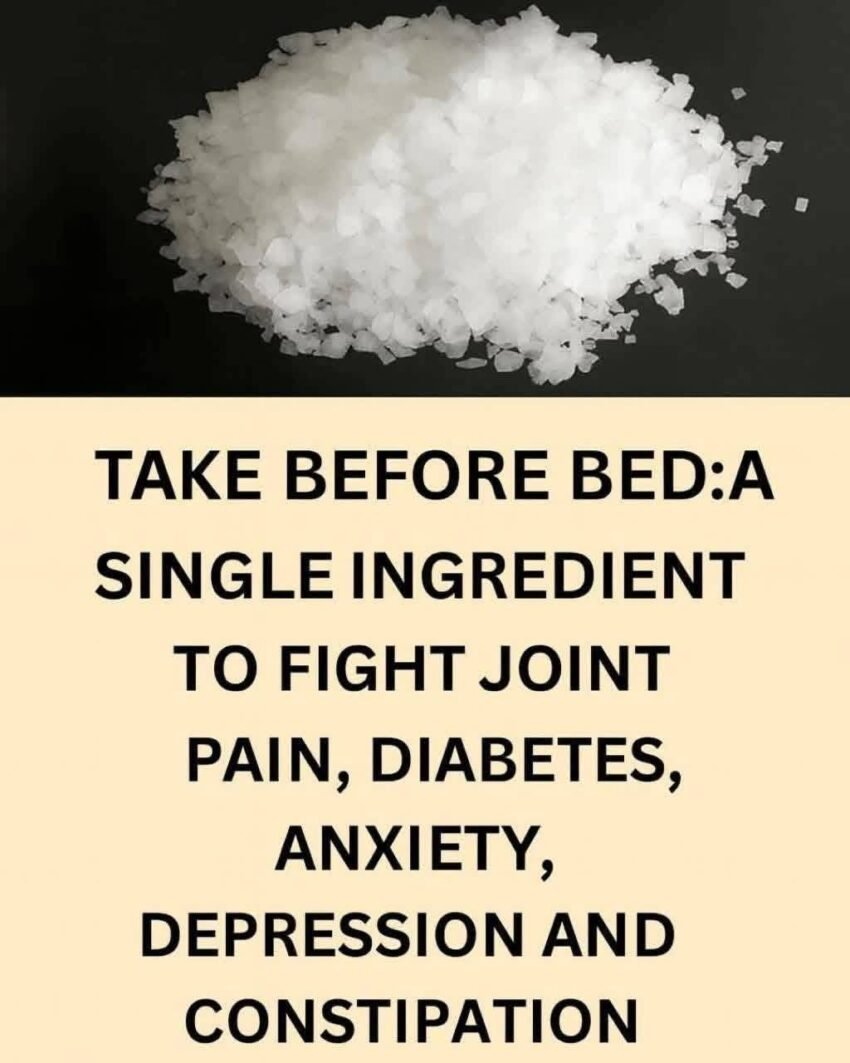
Sodium chloride (table salt) is a mineral made of sodium and chloride. It is essential for life because the body needs both sodium and chloride to perform important functions. However, the amount consumed matters—a moderate intake is beneficial, while excessive intake can contribute to health problems.
Health Benefits of Sodium Chloride
1. Maintains Fluid Balance
Sodium helps regulate the amount of water inside and outside cells. This balance is important for:
Hydration
Blood volume
Blood pressure regulation
Proper organ function
2. Supports Nerve Function
Nerves use sodium ions to transmit electrical signals throughout the body. Adequate sodium is necessary for:
Brain-to-body communication
Sensory perception
Reflexes
3. Aids Muscle Function
Sodium works with potassium and calcium to support:
Muscle contraction
Muscle relaxation
Prevention of muscle cramps related to electrolyte imbalance
4. Helps Maintain Blood Pressure
The body uses sodium to regulate blood volume and circulation. Too little sodium can cause:
Dizziness
Fatigue
Low blood pressure
Confusion in severe cases
5. Supports Digestion
Chloride is a component of hydrochloric acid in the stomach, which helps:
Break down food
Absorb nutrients
Kill harmful microorganisms
6. Replaces Electrolytes Lost Through Sweat
During intense exercise, hot weather, or illness with vomiting/diarrhea, sodium losses can increase. Replacing sodium may help maintain hydration and physical performance.
Recommended Intake
The World Health Organization recommends limiting sodium intake to less than 2,000 mg per day (about 5 grams of salt, roughly one teaspoon) for most adults.
Many people consume significantly more than this because processed foods often contain large amounts of sodium.
How to Use Sodium Chloride
In Cooking
Use salt to:
Enhance flavor
Season meats, vegetables, and soups
Bake bread and other baked goods
Preserve foods
A practical approach is to add small amounts while cooking and adjust to taste.
For Oral Rehydration
When dehydration occurs due to diarrhea, vomiting, or heavy sweating, a rehydration solution can help.
A commonly used homemade oral rehydration solution is:
1 liter clean water
6 level teaspoons sugar
½ level teaspoon salt
Mix thoroughly and sip gradually.
For infants, elderly individuals, or severe dehydration, commercial oral rehydration products or medical advice are preferred.
As a Saline Gargle
A warm salt-water gargle may help soothe throat irritation.
Mix:
½ teaspoon salt
1 cup (240 mL) warm water
Gargle for 15–30 seconds and spit out.
Nasal Saline Rinse
Sterile saline solutions are commonly used to:
Moisturize nasal passages
Relieve congestion
Clear mucus
Use only sterile, distilled, or properly boiled and cooled water when preparing saline for nasal irrigation.
Risks of Excess Salt Intake
Consistently consuming too much sodium may increase the risk of:
High blood pressure
Heart disease
Stroke
Kidney disease
Fluid retention
People with hypertension, heart failure, kidney disease, or certain liver conditions may need stricter sodium limits as advised by a healthcare professional.
Signs of Too Little Sodium
Low sodium levels (hyponatremia) can cause:
Headache
Nausea
Fatigue
Muscle weakness
Confusion
Seizures in severe cases
This condition is usually related to medical issues or excessive water intake rather than simply eating too little salt.
Bottom Line
Sodium chloride is essential for hydration, nerve signaling, muscle function, and digestion. Most healthy adults benefit from consuming enough salt to meet their body’s needs while avoiding excessive intake. For most people, obtaining sodium through a balanced diet and using salt moderately in cooking is sufficient.