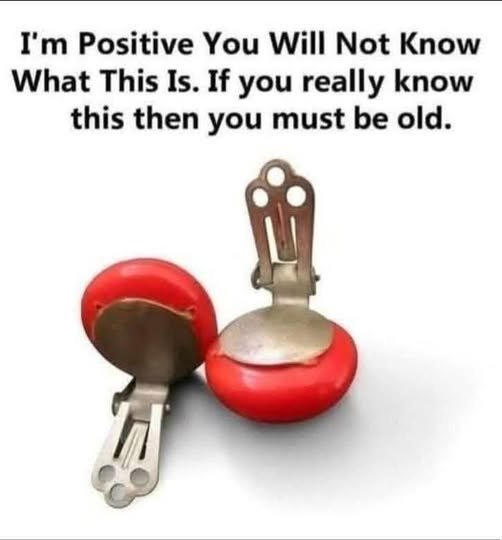
Here’s a detailed article on The Forgotten Utility: Vintage Button Hook and Shoe Fastener.
The Forgotten Utility: Vintage Button Hook and Shoe Fastener
Introduction
Before zippers, Velcro, and elastic closures became commonplace, dressing required patience, skill, and specialized tools. Among the most useful of these was the button hook and shoe fastener, a small yet ingenious device that simplified fastening the tiny buttons commonly found on boots, gloves, and clothing during the Victorian and Edwardian eras. Though largely forgotten today, this practical accessory played an important role in everyday life for decades and remains a fascinating collectible for historians, antique enthusiasts, and vintage fashion lovers.
What Is a Button Hook and Shoe Fastener?
A button hook is a handheld tool designed to pull small buttons through tight buttonholes. It typically consists of:
- A comfortable handle made from wood, bone, ivory, horn, metal, or early plastics.
- A slender steel shaft.
- A small wire loop or hook at the end.
Many button hooks were specifically marketed as shoe fasteners because they made fastening the numerous tiny buttons on high-button boots much quicker and easier. Some models combined multiple functions, including button hooks, shoehorns, glove stretchers, nail cleaners, or even sewing accessories.
Historical Background
Button hooks became widely used during the mid-19th century, especially from the 1850s through the early 1900s. Fashion trends of the Victorian era featured footwear with long rows of small buttons extending from the ankle to the calf. Ladies’ dresses, gloves, children’s clothing, and men’s spats often featured similarly small and tightly fitted buttons.
Without a button hook, fastening these garments could take several minutes and require significant finger strength. The tool quickly became an essential household item.
By the 1920s and 1930s, improvements in clothing design, along with the growing popularity of zippers, buckles, and elastic materials, greatly reduced the need for button hooks. Production gradually declined, and they eventually disappeared from everyday use.
How the Tool Worked
Using a button hook was surprisingly simple:
- Insert the metal loop through the buttonhole.
- Slip the loop around the button.
- Pull the button back through the buttonhole.
- Release the button.
- Repeat for each remaining button.
The design reduced strain on the fingers while making it easier to fasten tightly fitted footwear and garments.
Materials Used
Manufacturers produced button hooks using a wide range of materials depending on cost and intended market.
Metal
Steel shafts were the standard because they provided strength while remaining thin enough for small buttonholes.
Wooden Handles
Hardwoods such as ebony, walnut, and rosewood offered durability and an attractive appearance.
Bone and Horn
Natural materials provided comfortable grips and were widely available before plastics became common.
Ivory
Luxury versions featured carved ivory handles, often decorated with intricate patterns. These are now valued primarily as historical artifacts, and modern trade in ivory is heavily restricted.
Early Plastics
By the early 20th century, materials such as celluloid and Bakelite became popular, allowing manufacturers to create colorful and decorative handles at lower costs.
Silver and Gold
Some premium button hooks featured sterling silver handles engraved with floral designs, monograms, or family crests. These were often given as wedding or holiday gifts.
Decorative Styles
Although highly practical, many button hooks were beautifully designed.
Popular decorative themes included:
- Floral engraving
- Art Nouveau patterns
- Victorian scrollwork
- Animal figures
- Hunting scenes
- Religious motifs
- Monograms
- Pearl or enamel inlays
Luxury examples sometimes matched complete vanity or dressing-table sets.
Button Hooks in Daily Life
In Victorian households, dressing was often a lengthy process. A pair of women’s boots might contain twenty or more buttons. Gloves were designed to fit tightly around the wrist and hand, requiring careful fastening.
Servants frequently used button hooks while helping employers dress. Travelers carried compact folding versions in luggage, while many households kept several button hooks in dressing rooms.
Advertising and Manufacturing
Thousands of businesses used button hooks as promotional items.
Companies often engraved their names on the handles, including:
- Shoe manufacturers
- Insurance companies
- Pharmacies
- Banks
- Hotels
- Tailors
- Clothing stores
These advertising button hooks have become collectible because they provide insight into local businesses and commercial history.
Collecting Vintage Button Hooks
Collectors appreciate button hooks for their craftsmanship, historical significance, and wide variety of designs.
Factors affecting value include:
- Age
- Material
- Manufacturer
- Condition
- Decorative quality
- Rarity
- Provenance
- Original packaging
Collectors often specialize in particular categories, such as sterling silver examples, advertising pieces, military-issued button hooks, or Art Nouveau designs.
Identifying Authentic Pieces
Authentic vintage button hooks often show signs of age, including:
- Natural patina on metal
- Minor wear on handles
- Hand-crafted construction
- Period manufacturing marks
- Appropriate materials for the era
Modern reproductions may appear overly polished, lack historical markings, or use contemporary manufacturing techniques.
Caring for Antique Button Hooks
Proper care helps preserve these historic tools.
Recommended practices include:
- Store in a dry environment.
- Avoid excessive humidity.
- Clean gently using a soft cloth.
- Do not aggressively polish antique silver, as this may remove desirable patina.
- Protect bone, ivory, and horn from direct sunlight and extreme temperature changes.
- Use padded storage for fragile decorative handles.
Cultural Significance
Button hooks represent a period when clothing required greater craftsmanship and manual effort. They reflect changing fashion trends, advances in manufacturing, and the evolution of everyday convenience. Their decline mirrors broader technological developments, including the widespread adoption of zippers and modern fastening systems.
Today, these tools provide valuable insights into domestic life during the late 19th and early 20th centuries. Museums, costume collections, and antique exhibitions frequently include button hooks as examples of how even the smallest household objects contributed to daily routines.
Modern Interest
Although no longer essential, vintage button hooks continue to attract collectors, fashion historians, museum curators, and enthusiasts of antique sewing and dressing accessories. Some historical reenactors and vintage fashion enthusiasts still use original or reproduction button hooks when wearing period-accurate clothing.
Their elegant craftsmanship, compact design, and historical importance make them enduring reminders of an era when getting dressed required specialized tools and meticulous attention to detail.
Conclusion
The vintage button hook and shoe fastener is more than a forgotten household accessory—it is a symbol of changing fashion, technological innovation, and everyday life in the Victorian and Edwardian periods. Once indispensable for fastening buttoned boots, gloves, and garments, it combined functionality with artistry in a way rarely seen in modern tools. Today, these charming artifacts continue to preserve the story of a bygone age, offering collectors and historians a tangible connection to the elegance and routines of the past.
If you’d like, I can also adapt this into an SEO-optimized blog post with headings, keywords, FAQs, and a meta description.