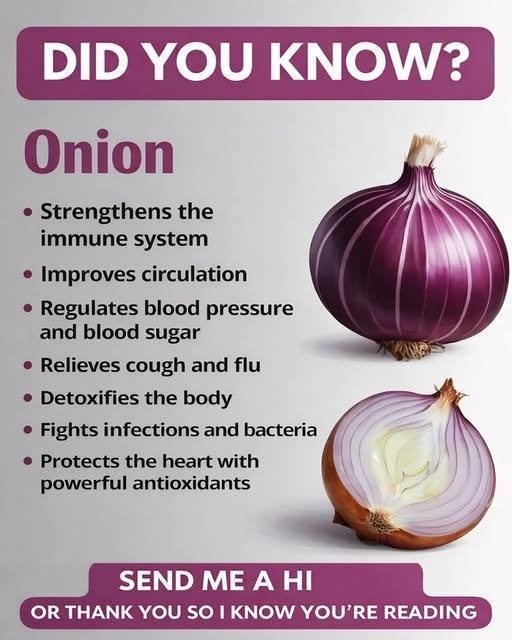
Onions (Onion) are more than just a kitchen staple—they contain a range of bioactive compounds that give them several meaningful health benefits. Most of their effects come from antioxidants like quercetin, sulfur compounds, and prebiotic fibers that interact with digestion, immunity, and metabolism.
1. Rich in antioxidants and anti-inflammatory compounds
Onions are especially high in quercetin, a plant flavonoid with strong antioxidant properties. Antioxidants help neutralize free radicals in the body, which are unstable molecules linked to aging and chronic diseases.
The sulfur compounds in onions also contribute to reducing inflammation, which is important because long-term inflammation is connected to conditions like heart disease and arthritis.
2. Heart health support
Several compounds in onions may benefit cardiovascular health:
- They may help reduce blood pressure
- They can support healthier cholesterol levels (lower LDL, potentially higher HDL)
- They may improve blood vessel flexibility
Quercetin in particular is often studied for its potential role in improving circulation and reducing oxidative stress in blood vessels.
3. Blood sugar regulation
Onions contain compounds that may help improve insulin sensitivity and support steadier blood sugar levels. Some research suggests sulfur compounds and quercetin can help reduce glucose spikes after meals, which may be useful for people managing insulin resistance or type 2 diabetes risk.
4. Gut health and digestion
Onions are a good source of prebiotic fibers, especially inulin and fructooligosaccharides. These fibers are not digested in the stomach but instead feed beneficial gut bacteria. A healthier gut microbiome is linked to:
- Better digestion
- Improved immune function
- Reduced inflammation
5. Immune system support
The antimicrobial properties of onions come from their sulfur-containing compounds. Traditionally, onions have been used to help fight minor infections, and while they are not a replacement for medicine, they may support the body’s natural defenses.
6. Potential anti-cancer properties
Some population studies suggest that diets rich in allium vegetables (like onions, garlic, and leeks) may be associated with a lower risk of certain cancers. This is thought to be due to antioxidant activity, detoxification support, and inhibition of harmful cell growth pathways. However, this area is still under active research and not a guaranteed protective effect.
7. Bone health (emerging evidence)
Some studies, particularly in older adults, suggest onion consumption may be linked with improved bone density, possibly due to antioxidant effects that reduce bone breakdown.
Important note
Onions are beneficial as part of a balanced diet, but they are not a cure or treatment for diseases. People with sensitive digestion (like IBS) may experience bloating or discomfort due to their fermentable fibers.
If you want, I can also break down:
- Raw vs cooked onions (which is healthier)
- Best ways to eat onions for maximum benefit
- Side effects or who should avoid them