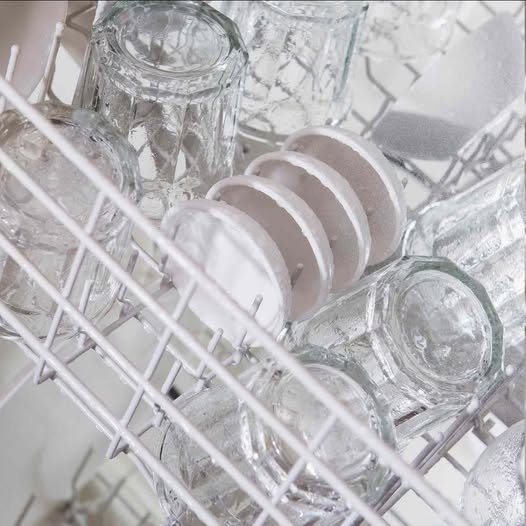
Here are four items that should always go on the top rack:
1. Plastic Food Containers and Lids
Plastic containers, reusable lunch boxes, and especially lightweight plastic lids should always be placed on the top rack.
Why?
- The heating element at the bottom of many dishwashers can become extremely hot during the drying cycle.
- Thin plastic may warp, melt, or lose its shape if placed on the bottom rack.
- Warped containers may no longer seal properly, leading to leaks.
Best practice:
- Place containers upside down so water drains away.
- Secure lightweight lids so they don’t flip over and fill with water.
2. Drinking Glasses and Stemware
Everyday drinking glasses, wine glasses, champagne flutes, and delicate crystal are safest on the top rack.
Why?
- The top rack exposes them to gentler water pressure.
- Delicate stems are less likely to break.
- There is less chance of glasses knocking against heavy pots and pans.
Extra tip:
- Leave space between glasses to prevent them from clinking together during the wash cycle.
3. Insulated Travel Mugs and Reusable Water Bottles
Many insulated mugs and stainless-steel bottles should be placed on the top rack—provided the manufacturer states they are dishwasher safe.
Why?
- High temperatures on the bottom rack may damage vacuum insulation or seals.
- Rubber gaskets and plastic components can deteriorate faster under excessive heat.
- Keeping them on the top rack helps preserve their insulating performance.
Important:
Always remove lids and seals if recommended by the manufacturer for a more thorough clean.
4. Baby Bottles, Pacifiers, and Small Plastic Feeding Accessories
Baby feeding items are generally safest on the top rack.
Why?
- They are made from heat-sensitive plastics or silicone.
- Smaller items can fall through the lower rack and come into contact with the heating element.
- Gentle washing helps prevent premature wear.
Safety tip:
Use a dishwasher basket designed for small accessories like bottle nipples, pacifiers, and sippy cup valves so they don’t get lost during the wash.
Why the Top Rack Matters
The upper rack provides:
- Lower temperatures, reducing the risk of melting and warping.
- Gentler water pressure, protecting fragile items.
- Better stability for lightweight objects.
- Less exposure to the dishwasher’s heating element.
Items Better Suited for the Bottom Rack
Reserve the bottom rack for sturdier items such as:
- Dinner plates
- Pots and pans
- Baking dishes
- Mixing bowls
- Heavy cookware
These items can withstand stronger spray jets and higher temperatures, allowing them to be cleaned more effectively.
Following these loading guidelines can help extend the life of your kitchenware, improve cleaning performance, and reduce the risk of damage during every dishwasher cycle.