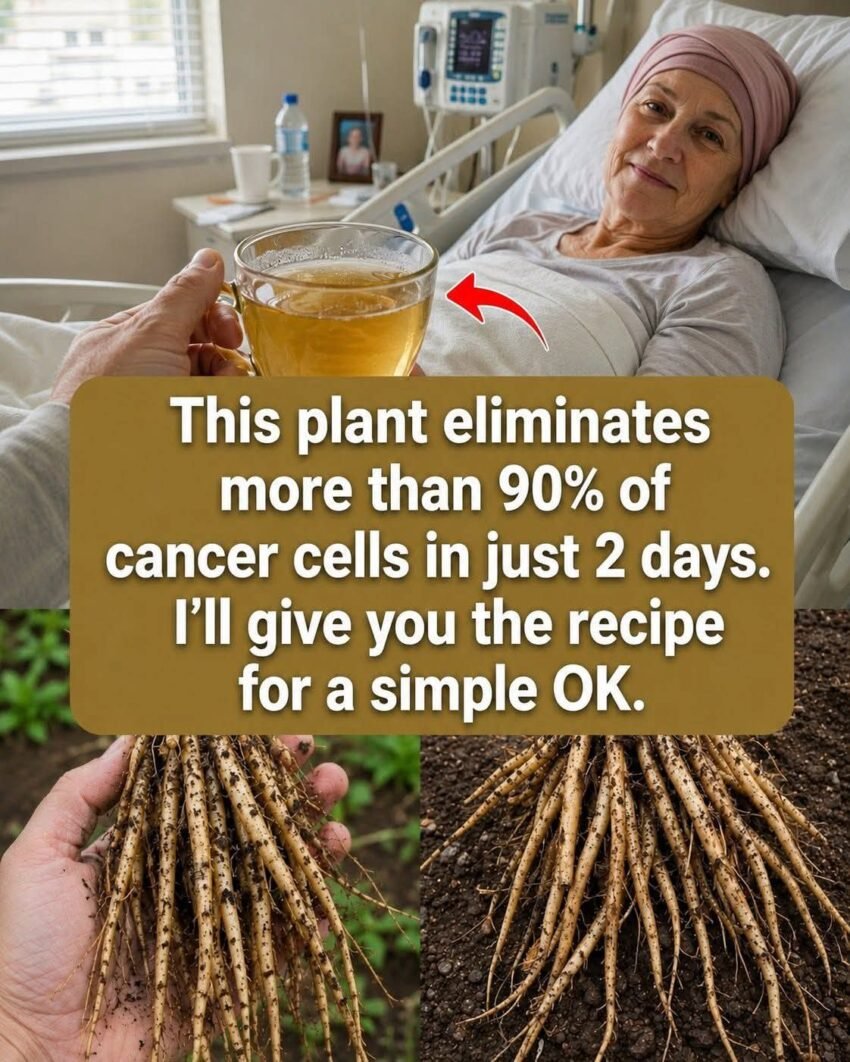
The phrase “miracle roots” and cancer is often used in online posts or traditional remedy claims, but it is important to separate myth from medical evidence.
1. What are “miracle roots”?
There is no single scientifically recognized plant called “miracle root” that cures cancer. The term is usually used in marketing or social media to describe different herbal roots such as:
Turmeric root
Ginger root
Burdock root
Soursop root (sometimes promoted online, but not safe or proven for cancer treatment)
These plants may have general health properties, but none are proven to cure cancer.
—
2. What does science say about roots and cancer?
A. Possible supportive effects (not cures)
Some plant compounds have been studied in labs:
Turmeric (curcumin): may reduce inflammation in laboratory studies
Ginger: may help with nausea (especially in chemotherapy patients)
Ginseng: studied for immune effects
Green tea roots/extracts (not root, but plant compounds): antioxidants
👉 Important: These effects are:
Mostly seen in lab or animal studies
Not proven as cancer cures in humans
Not replacements for medical treatment
—
B. No “natural cure” exists
Cancer is not one disease. It includes many types like:
Breast cancer
Lung cancer
Blood cancers (leukemia)
Skin cancer
Each type behaves differently and requires treatments like:
Surgery
Chemotherapy
Radiotherapy
Targeted therapy
Immunotherapy
There is no root, herb, or food that can replace these treatments.
—
3. Dangerous misinformation online
Be careful with claims such as:
“This root cures all cancers in days”
“Kills cancer without chemotherapy”
“Secret ancient remedy doctors don’t want you to know”
These are not supported by medical evidence and can be harmful because they may cause people to:
Delay proper treatment
Stop chemotherapy or radiation
Worsen their condition
—
4. Can herbs be used at all?
Yes—but only as support, not treatment.
Some examples:
Ginger tea → may help nausea
High-fiber foods → support general health
Turmeric in food → anti-inflammatory diet support
But they must be used carefully because:
Some herbs interfere with cancer drugs
Some can affect liver or blood clotting
—
5. What actually helps in cancer care
Evidence-based approaches include:
Early diagnosis and screening
Surgery when needed
Chemotherapy or radiotherapy
Immunotherapy (in some cancers)
Healthy diet during treatment
Emotional and psychological support
—
6. Bottom line
“Miracle roots” that cure cancer = not scientifically proven
Some plants may support health, but do not cure cancer
The safest approach is medical treatment + supportive nutrition
—
If you want, tell me what you saw or heard (for example, a specific “miracle root” name), and I can explain whether it has any real scientific evidence or if it’s misinformation.