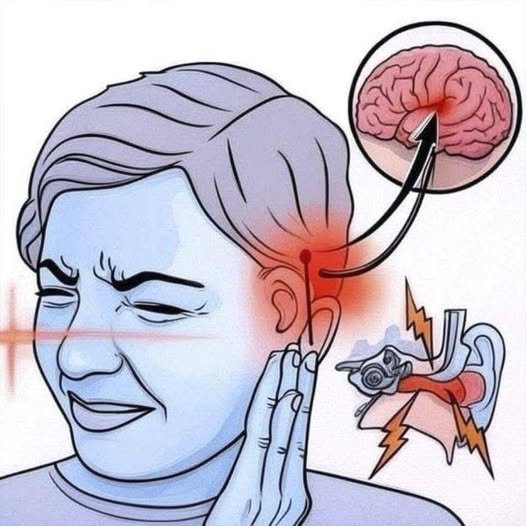
Tinnitus is the perception of sound when no external sound is present. People often describe it as ringing, buzzing, hissing, humming, clicking, roaring, or whistling in one or both ears. While tinnitus itself is not a disease, it is often a symptom of an underlying condition. It can range from a mild annoyance to a condition that significantly affects sleep, concentration, and quality of life.
What Causes Tinnitus?
There are many possible causes, including:
1. Hearing Loss (Most Common)
Age-related hearing loss or damage from prolonged exposure to loud noise can reduce hearing. The brain may respond by creating phantom sounds, leading to tinnitus.
Examples:
- Listening to loud music through headphones
- Working around heavy machinery
- Frequent exposure to concerts or explosions
2. Earwax Blockage
A buildup of earwax can block the ear canal, causing pressure and irritation that may trigger tinnitus.
3. Ear Infections
Middle or inner ear infections can cause temporary tinnitus along with pain, hearing loss, or dizziness.
4. Medication Side Effects
Some medicines can cause or worsen tinnitus, especially at high doses.
Examples include:
- High-dose aspirin
- Certain antibiotics
- Some chemotherapy drugs
- Loop diuretics
- Some anti-inflammatory medications
5. Blood Vessel Disorders
A rhythmic or pulsing sound (called pulsatile tinnitus) may be related to changes in blood flow due to:
- High blood pressure
- Narrowed arteries
- Blood vessel abnormalities
6. Head or Neck Injuries
Trauma can affect the nerves, inner ear, or brain areas involved in hearing.
7. Disorders Affecting the Inner Ear
Conditions such as Ménière’s disease can cause:
- Tinnitus
- Vertigo
- Hearing loss
- A feeling of fullness in the ear
8. Stress and Anxiety
Stress does not necessarily cause tinnitus, but it can make it more noticeable and bothersome.
What Tinnitus May Say About Your Health
Tinnitus can sometimes provide clues about underlying health issues.
Age-Related Hearing Loss
A gradual onset of ringing is often associated with natural hearing decline.
Noise-Induced Hearing Damage
Tinnitus after loud concerts or occupational noise exposure may indicate damage to the delicate hair cells in the inner ear.
High Blood Pressure
Pulsing tinnitus can sometimes be linked to elevated blood pressure or vascular conditions.
Diabetes
Long-term diabetes may damage nerves and blood vessels that support hearing.
Thyroid Disorders
Both overactive and underactive thyroid conditions have been associated with tinnitus in some people.
Temporomandibular Joint (TMJ) Problems
Jaw disorders can sometimes produce or worsen tinnitus, particularly if jaw movement changes the sound.
Neurological Conditions
Less commonly, tinnitus may be associated with nerve disorders or growths affecting the hearing nerve, such as vestibular schwannoma.
Types of Tinnitus
Subjective Tinnitus
- Heard only by the affected person.
- Represents the vast majority of cases.
Objective Tinnitus
- Rare.
- Can sometimes be heard by a healthcare professional during examination.
- Often related to blood vessels or muscle spasms.
Pulsatile Tinnitus
- Rhythmic sound synchronized with the heartbeat.
- Requires medical evaluation because it may indicate a vascular problem.
Symptoms
People may hear:
- Ringing
- Buzzing
- Humming
- Clicking
- Roaring
- Hissing
- Whistling
The sound may:
- Come and go
- Be constant
- Affect one or both ears
- Vary in loudness
- Become more noticeable in quiet environments
Why You Shouldn’t Ignore Tinnitus
While many cases are not dangerous, tinnitus deserves attention because it can occasionally signal a treatable or serious condition.
You should seek prompt medical evaluation if tinnitus:
- Starts suddenly.
- Occurs in only one ear.
- Is accompanied by sudden hearing loss.
- Is pulsatile (matches your heartbeat).
- Occurs after a head injury.
- Is associated with severe dizziness, weakness, or difficulty speaking.
- Becomes persistent or significantly affects daily life.
How Tinnitus Is Diagnosed
A healthcare professional may perform:
- A detailed medical history
- Ear examination
- Hearing tests (audiometry)
- Balance testing, if needed
- Blood tests in selected cases
- Imaging (such as MRI or CT) when symptoms suggest a structural or vascular cause
Treatment
Treatment depends on the underlying cause.
Remove Earwax
If earwax is responsible, removing it often relieves symptoms.
Treat Ear Infections
Appropriate treatment may reduce or eliminate tinnitus caused by infection.
Manage Medical Conditions
Controlling high blood pressure, diabetes, thyroid disorders, or TMJ problems may improve symptoms.
Hearing Aids
For people with hearing loss, hearing aids often reduce the awareness of tinnitus.
Sound Therapy
Background sounds, white noise, or specialized tinnitus maskers can make tinnitus less noticeable.
Cognitive Behavioral Therapy (CBT)
Cognitive behavioral therapy has strong evidence for reducing the distress caused by tinnitus, even if it does not eliminate the sound.
Tinnitus Retraining Therapy (TRT)
This combines counseling with sound therapy to help the brain become less aware of tinnitus.
Medication
There is no medication that reliably cures tinnitus, but medicines may help treat associated anxiety, depression, or sleep problems when appropriate.
Can Tinnitus Be Prevented?
You can reduce your risk by:
- Wearing hearing protection in loud environments.
- Keeping headphone volume at moderate levels (many experts recommend following the 60/60 rule: no more than about 60% volume for 60 minutes at a time).
- Managing blood pressure, diabetes, and cholesterol.
- Avoiding smoking.
- Exercising regularly.
- Getting enough sleep.
- Managing stress.
Living With Tinnitus
Many people find symptoms improve over time as the brain becomes less focused on the sound. Helpful strategies include:
- Using a fan or white-noise machine at night.
- Avoiding complete silence if it makes tinnitus more noticeable.
- Practicing relaxation techniques.
- Limiting excessive caffeine or alcohol if you notice they worsen your symptoms.
- Seeking support if tinnitus is affecting mood or daily functioning.
Key Takeaway
Tinnitus is common and is usually linked to hearing loss or noise exposure, but it can also be associated with ear conditions, certain medications, vascular disorders, or other health problems. Although many cases are not dangerous, new, one-sided, pulsatile, or sudden tinnitus—especially if accompanied by hearing loss or neurological symptoms—should be evaluated promptly by a healthcare professional. Early assessment can identify treatable causes and help reduce the impact of tinnitus on your quality of life.