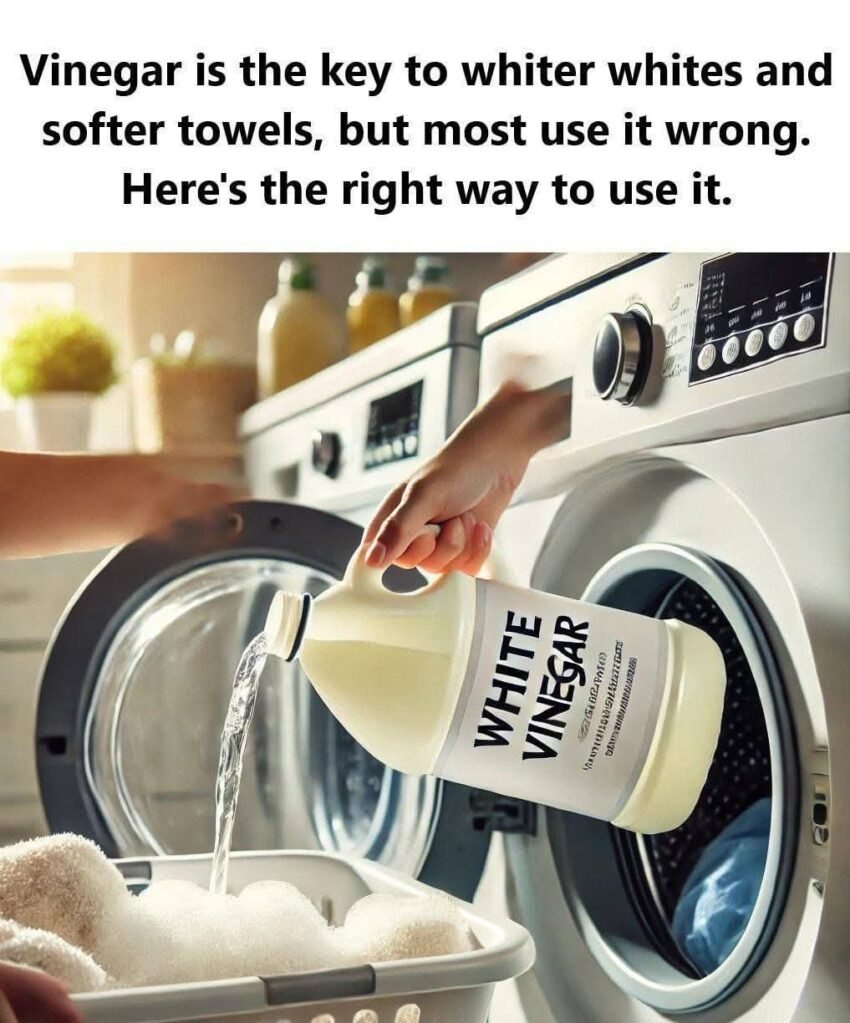
Vinegar is a popular household laundry aid because it can help remove detergent residue, reduce odors, and soften fabrics without leaving a lingering scent after washing. While it’s not a miracle cleaner or a substitute for bleach when whitening heavily stained fabrics, it can improve the appearance and feel of laundry when used correctly.
What Makes Vinegar Effective?
The vinegar typically recommended for laundry is distilled white vinegar, which contains about 5% acetic acid. This mild acid helps:
Dissolve soap and detergent residue.
Break down hard water mineral deposits.
Neutralize odor-causing compounds.
Reduce static electricity in some fabrics.
Keep towels feeling softer by preventing residue buildup.
Unlike chlorine bleach, vinegar does not bleach fabrics. Instead, it helps restore brightness by removing dulling residues.
How Vinegar Helps Whiten Whites
1. Removes Detergent Buildup
Over time, detergent and fabric softener leave residues on clothing. These residues trap dirt and make white fabrics appear gray or yellow. Vinegar dissolves much of this buildup, allowing fabrics to look cleaner and brighter.
2. Tackles Hard Water Minerals
If you live in an area with hard water, minerals like calcium and magnesium can deposit onto fabrics, making whites look dingy. Vinegar helps dissolve these mineral deposits.
3. Improves Detergent Performance
By reducing mineral buildup, vinegar allows detergent to rinse away more completely, which can improve cleaning results.
4. Helps Remove Mild Yellowing
For whites that have become slightly yellow from sweat or detergent residue, soaking in diluted white vinegar before washing may improve their appearance.
How to Use Vinegar for Whiter Whites
Method 1: Add During the Rinse Cycle
Use your regular laundry detergent.
Add ½ to 1 cup of distilled white vinegar to the fabric softener dispenser or during the rinse cycle.
Wash as usual.
This helps remove detergent residue without affecting the detergent’s cleaning action.
Method 2: Pre-Soak
For dingy white clothing:
Mix:
1 gallon (about 3.8 liters) of warm water
1 cup distilled white vinegar
Soak garments for 1–8 hours.
Wash normally afterward.
Method 3: For Yellowed Socks or Undergarments
Heat water until very warm (not necessarily boiling).
Add 1 cup vinegar.
Soak overnight.
Wash the next day.
Why Vinegar Makes Towels Softer
Many people assume fabric softener makes towels soft, but repeated use often leaves a waxy coating that actually reduces absorbency.
Vinegar works differently.
It Removes Fabric Softener Residue
The mild acid dissolves residues left by:
Fabric softeners
Excess detergent
Hard water minerals
Once these coatings are removed, towel fibers fluff back up.
Restores Absorbency
Because the fibers are cleaner, towels absorb water better instead of repelling it.
Reduces Stiffness
Residue-free fibers move more freely, making towels feel softer.
How to Use Vinegar for Softer Towels
Regular Maintenance
Add ½ to 1 cup white vinegar to the rinse cycle.
Skip fabric softener.
Dry towels thoroughly, preferably with good airflow.
Deep Cleaning Towels
If towels have become stiff:
1. Wash towels with hot water and 1 cup white vinegar (no detergent).
2. Wash again with detergent only (no vinegar).
3. Dry completely.
This two-step process removes built-up residue.
Additional Laundry Benefits
Vinegar may also help:
Neutralize musty odors.
Reduce mildew smells in towels.
Minimize static cling in some fabrics.
Help dissolve minor soap scum inside the washing machine.
Keep colors looking fresher by reducing residue.
What Vinegar Won’t Do
There are limits to what vinegar can accomplish.
It does not:
Replace bleach for disinfecting or whitening heavily stained whites.
Remove all stains, especially oil-based or dye stains.
Sanitize laundry to the same level as a disinfectant.
Brighten whites that have permanent discoloration from fabric wear.
Can You Mix Vinegar and Detergent?
It’s best not to mix vinegar directly with detergent in the same dispenser. Vinegar’s acidity can reduce the effectiveness of some detergents if combined before the wash. Instead:
Use detergent during the wash cycle.
Add vinegar during the rinse cycle.
Should You Mix Vinegar and Bleach?
No. Never mix vinegar with chlorine bleach. Combining the two can produce chlorine gas, which is hazardous to breathe.
Is Vinegar Safe for Washing Machines?
Generally, occasional use of distilled white vinegar is considered safe for most washing machines when used in moderation. However, some appliance manufacturers advise against frequent use because the acidity may contribute to wear of certain rubber seals or components over time. If your machine’s manual provides guidance, follow the manufacturer’s recommendations.
Tips for Best Results
Use distilled white vinegar, not apple cider or balsamic vinegar.
Measure the vinegar rather than pouring freely.
Avoid overusing detergent, as excess detergent contributes to residue.
Wash white items separately from colored clothing.
Dry whites in sunlight when possible, as sunlight can naturally help brighten white fabrics.
Frequently Asked Questions
Will my clothes smell like vinegar?
Usually not. The vinegar odor typically dissipates during the rinse and drying process.
Can I use vinegar every wash?
Many people use it regularly in the rinse cycle, but moderate use and following your washing machine manufacturer’s guidance is a sensible approach.
Does vinegar replace fabric softener?
For many households, yes. It softens fabrics by removing residue rather than coating fibers, which also helps towels stay absorbent.
Can vinegar replace laundry detergent?
No. Detergent removes oils and soil more effectively. Vinegar works best as a rinse aid and residue remover, not as the primary cleaning agent.
Bottom Line
Distilled white vinegar is an inexpensive and versatile laundry additive that can help keep white fabrics looking brighter by removing detergent and mineral residue, while making towels softer and more absorbent. For the best results , use it during the rinse cycle, avoid mixing it with bleach or directly with detergent, and remember that it complements—rather than replaces—good-quality laundry detergent and appropriate stain treatments.