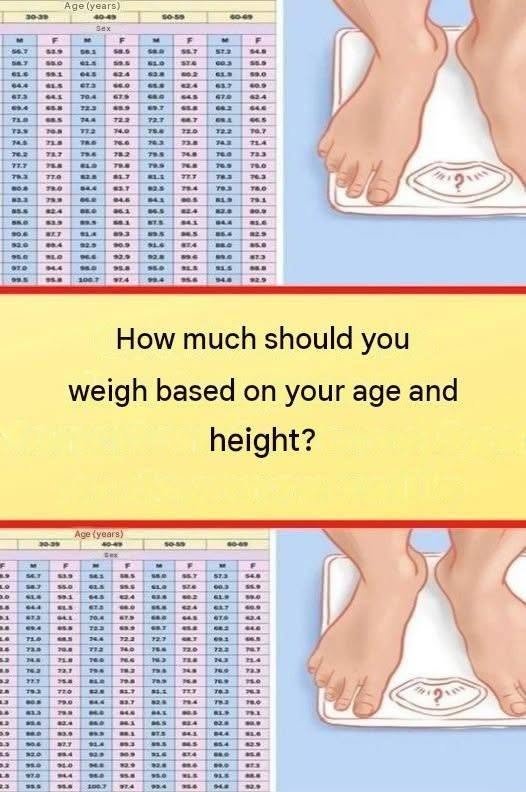
What Is an Ideal Weight? A Complete Guide to Healthy Body Weight
The idea of an “ideal weight” can be misleading because there is no single body weight that is perfect for everyone. A healthy weight depends on factors such as height, age, sex, muscle mass, body composition, genetics, lifestyle, and overall health.
For adults, one of the most commonly used screening tools is Body Mass Index (BMI). However, BMI is only one part of the picture—it does not directly measure body fat or distinguish muscle from fat.
1. What Does “Ideal Weight” Actually Mean?
A better way to think about ideal weight is:
A healthy weight is a weight range that supports good health and can be maintained with sustainable eating, physical activity, sleep, and other healthy habits.
For example, two people who are both 5’8″ may have different healthy weights because one may have substantially more muscle mass than the other.
Therefore, instead of asking only “What should I weigh?”, it is more useful to ask:
- Is my weight appropriate for my height?
- Is my waist circumference healthy?
- Do I have excessive body fat?
- Is my blood pressure healthy?
- Are my blood sugar and cholesterol in healthy ranges?
- Am I physically active?
- Do I have a nutritious, sustainable diet?
- Am I maintaining a stable and healthy weight over time?
2. BMI: The Most Common Starting Point
Body Mass Index (BMI) is calculated from your weight and height.
BMI formula
BMI = weight in kilograms ÷ height in meters²
For example, if someone weighs 70 kg and is 1.75 m tall:
BMI = 70 ÷ (1.75 × 1.75) ≈ 22.9
For adults, the standard BMI categories are:
| BMI | Category |
|---|---|
| Below 18.5 | Underweight |
| 18.5–24.9 | Healthy weight |
| 25.0–29.9 | Overweight |
| 30.0 or higher | Obesity |
These categories are screening ranges, not a diagnosis.
Calculate your BMI
The NHLBI BMI Calculator can calculate BMI using either pounds/inches or kilograms/centimeters.
3. What Weight Corresponds to a Healthy BMI?
For an adult, a BMI from 18.5 through 24.9 is generally classified as the healthy-weight range.
The approximate weight range corresponding to that BMI range varies according to height.
| Height | Approximate healthy-BMI weight range* |
|---|---|
| 4’10” | 89–119 lb |
| 5’0″ | 95–128 lb |
| 5’2″ | 101–136 lb |
| 5’4″ | 110–145 lb |
| 5’6″ | 115–154 lb |
| 5’8″ | 125–164 lb |
| 5’10” | 129–174 lb |
| 6’0″ | 137–184 lb |
| 6’2″ | 145–194 lb |
| 6’4″ | 152–205 lb |
*These are mathematical weight ranges corresponding approximately to BMI 18.5–24.9. They should not be interpreted as an individualized “ideal weight.”
4. Why BMI Is Not the Whole Story
BMI is useful because it is simple and inexpensive, but it has important limitations.
BMI does not directly measure body fat.
For example, a person who does a lot of strength training may have a relatively high BMI because muscle is dense, even though they have relatively little body fat.
Likewise, someone can have a BMI within the “healthy” range while carrying excess abdominal fat.
This is why health professionals may consider additional measurements and health factors rather than relying on BMI alone. NHLBI specifically notes that measures such as waist circumference can also be used when evaluating weight-related health risk.
5. Waist Circumference Matters
Where you carry body fat can matter for health.
Abdominal or visceral fat—fat stored around internal organs—is associated with increased metabolic and cardiovascular risk.
For this reason, waist circumference can provide additional information alongside BMI.
A person with a relatively normal BMI but substantial abdominal fat may have health risks that BMI alone does not reveal.
When assessing your health, consider BMI together with:
- Waist circumference
- Blood pressure
- Blood glucose
- Cholesterol
- Physical activity
- Diet quality
- Family history
- Smoking and alcohol use
- Sleep
- Existing medical conditions
6. Ideal Weight for Men and Women
There isn’t a separate universal “ideal-weight chart” that applies perfectly to every man or woman.
For adult men and women, the standard BMI categories are generally the same: 18.5–24.9 is considered the healthy BMI range.
However, body composition can differ considerably between individuals.
Women
Healthy weight assessment may be affected by:
- Muscle mass
- Pregnancy or postpartum changes
- Menopause and aging
- Bone density
- Fat distribution
- Genetics
Men
Important factors can include:
- Muscle mass
- Waist circumference
- Age-related changes in body composition
- Physical activity
- Genetics
Therefore, a single number on a scale should not be considered the definitive measure of health.
7. Ideal Weight by Age
Age does not create one simple “ideal weight” number.
As people age, body composition often changes. Muscle mass may decrease while body fat increases, even when body weight does not change substantially.
Consequently, a 25-year-old and a 65-year-old of the same height could weigh the same but have very different body compositions.
For adults, BMI categories remain a useful screening tool, but age, muscle mass, physical function, and overall health should also be considered.
8. Healthy Weight for Children and Teenagers
Children and teenagers should not generally be evaluated using the adult BMI categories.
For children and adolescents, BMI is interpreted according to age and sex, using BMI-for-age growth charts and percentiles. CDC growth charts are used for children and adolescents, and the CDC BMI calculator covers ages 2–20.
The commonly used categories are:
| BMI-for-age percentile | Category |
|---|---|
| Below 5th percentile | Underweight |
| 5th to below 85th percentile | Healthy weight |
| 85th to below 95th percentile | Overweight |
| 95th percentile or above | Obesity |
Children are growing, so their weight should be evaluated in the context of their growth pattern, rather than trying to make them reach a particular adult weight.
9. What Determines a Person’s Healthy Weight?
Many factors influence body weight.
Genetics
Genetic differences can influence:
- Appetite
- Metabolism
- Fat storage
- Body composition
- Height
- Where fat is distributed
Diet
Overall dietary patterns influence energy intake and nutritional health.
A nutritious eating pattern generally emphasizes foods such as:
- Vegetables
- Fruits
- Whole grains
- Beans and legumes
- Nuts and seeds
- Lean or otherwise nutritious protein sources
- Healthy unsaturated fats
Physical activity
Regular physical activity helps support:
- Cardiovascular health
- Muscle strength
- Energy expenditure
- Physical function
- Weight maintenance
Sleep
Poor sleep can make healthy weight management more difficult. Healthy weight management should therefore involve more than simply restricting food.
Environment
Food availability, work schedules, transportation, income, family habits, stress, and access to safe places to exercise can all affect weight. NHLBI notes that environmental, economic, genetic, behavioral, metabolic, and family factors can contribute to body weight.
10. Is Being Underweight Unhealthy?
Being below the healthy BMI range can sometimes indicate inadequate nutrition or another health problem.
Possible concerns can include:
- Nutritional deficiencies
- Loss of muscle
- Reduced bone health
- Weakness
- Reduced immune function
- Problems related to an underlying illness
However, a low BMI does not automatically mean someone is unhealthy. Some naturally thin people are healthy.
Unintentional weight loss, particularly substantial or persistent weight loss, deserves medical evaluation.
11. Is Being Overweight Always Unhealthy?
Not necessarily.
BMI is a screening measure, not a complete assessment of an individual’s health.
For example, an athletic person with substantial muscle may have a BMI in the overweight range without having excessive body fat.
On the other hand, someone with a BMI in the normal range may still have metabolic risk factors.
That is why BMI should be interpreted together with other health information.
12. What If Your BMI Is Above the Healthy Range?
If you have overweight or obesity, you don’t necessarily need to reach a particular “perfect” number immediately.
A more useful approach is to establish realistic health goals.
NHLBI notes that 5%–10% weight loss can significantly improve health and quality of life for people who have overweight or obesity.
For example, someone weighing 200 lb could initially aim for approximately:
- 5% loss: 10 lb → 190 lb
- 10% loss: 20 lb → 180 lb
The goal should be sustainable improvement rather than rapid, extreme dieting.
13. How to Reach and Maintain a Healthy Weight
Eat a balanced diet
Focus on the overall pattern rather than eliminating one particular food.
A healthy eating pattern can include:
- Plenty of vegetables and fruit
- Whole grains
- Adequate protein
- Healthy fats
- Appropriate portions
- Mostly minimally processed foods
Pay attention to portions
Even nutritious foods contain calories, so portion size matters when your goal is weight management.
Stay physically active
Choose activities you can maintain consistently, such as:
- Walking
- Cycling
- Swimming
- Running
- Dancing
- Resistance training
- Sports
Combining aerobic activity with strength training can be particularly useful for overall fitness.
Sleep adequately
Consistent, good-quality sleep is part of a healthy lifestyle.
Manage stress
Chronic stress can affect eating patterns, sleep, activity, and weight-management behaviors.
Set realistic goals
Long-term habits are generally more useful than extreme short-term diets. NHLBI recommends sustainable lifestyle changes as part of weight management.
14. Why Rapid Weight Loss Isn’t Usually the Best Goal
Very restrictive diets can sometimes produce rapid changes on the scale, but maintaining those changes can be difficult.
A sustainable approach generally focuses on:
Nutrition + physical activity + sleep + behavior + consistency
rather than trying to lose as much weight as possible as quickly as possible.
The number on the scale also naturally fluctuates because of:
- Water
- Food in the digestive system
- Sodium intake
- Hormonal changes
- Exercise
- Hydration
Therefore, a small day-to-day weight change does not necessarily represent a change in body fat.
15. “Ideal Weight” vs. “Healthy Body Composition”
These concepts are different.
Ideal weight
A single target number on the scale.
Healthy body composition
A balance of:
- Muscle
- Fat
- Bone
- Water
- Other tissues
For many people, body composition and overall health are more informative than trying to achieve one exact weight.
Someone may look and feel healthier at 160 lb than at 150 lb if the higher weight reflects greater muscle mass and better physical fitness.
16. How to Know Whether Your Weight Is Healthy
A comprehensive assessment can include:
1. BMI
Useful for identifying whether your weight falls into a broad population-level category.
2. Waist circumference
Provides information about abdominal fat.
3. Body composition
Can estimate fat mass and lean mass, although different methods have different accuracy.
4. Blood pressure
High blood pressure can increase cardiovascular risk.
5. Blood glucose
Helps assess metabolic health.
6. Cholesterol
Provides information about cardiovascular risk.
7. Fitness and physical function
Your ability to walk, climb stairs, exercise, lift objects, and perform daily activities matters.
8. Lifestyle
Diet, activity, sleep, stress, and other behaviors contribute substantially to health.
17. Common Myths About Ideal Weight
Myth 1: “There is one perfect weight for my height.”
False. A healthy range is more appropriate than one exact number.
Myth 2: “A lower weight is always healthier.”
False. Being underweight can also be associated with health problems.
Myth 3: “BMI tells me exactly how much body fat I have.”
False. BMI is based on height and weight and does not directly measure body fat.
Myth 4: “Muscular people can’t have a high BMI.”
False. Muscle contributes to body weight and can increase BMI.
Myth 5: “If my BMI is normal, I’m automatically healthy.”
False. Other factors—including abdominal fat, blood pressure, blood sugar, cholesterol, diet, and fitness—also matter.
Myth 6: “You need to lose weight as quickly as possible.”
False. Sustainable lifestyle changes are generally more useful for long-term weight management.
18. When Should You Talk to a Healthcare Professional?
Consider speaking with a doctor or registered dietitian if:
- Your weight is changing unexpectedly.
- You are significantly underweight or overweight.
- You are having difficulty gaining or losing weight.
- You have high blood pressure, abnormal blood sugar, or abnormal cholesterol.
- You have symptoms associated with an eating disorder.
- You are pregnant or recently gave birth.
- You are taking medications that affect weight.
- You are considering weight-loss medication or surgery.
- You are unsure what a healthy weight means for you.
A healthcare professional can interpret your weight in the context of your medical history, body composition, laboratory results, medications, and lifestyle.
19. The Bottom Line
There is no single ideal weight that applies to everyone.
For adults, BMI is a useful starting point:
- Below 18.5: Underweight
- 18.5–24.9: Healthy weight
- 25–29.9: Overweight
- 30+: Obesity
But BMI should not be used by itself. Waist circumference, body composition, fitness, blood pressure, blood sugar, cholesterol, lifestyle, age, and individual circumstances can provide a much more complete picture.
For children and teenagers, weight should be evaluated using age- and sex-specific growth charts, rather than adult BMI categories.
Most importantly, the goal should not simply be to reach the lowest possible number on the scale. The better goal is to achieve a healthy, sustainable body weight and lifestyle that supports long-term physical and mental well-being.
If you give me your age, sex, height, and current weight, I can calculate your BMI and show you your approximate healthy-weight range in both pounds and kilograms.