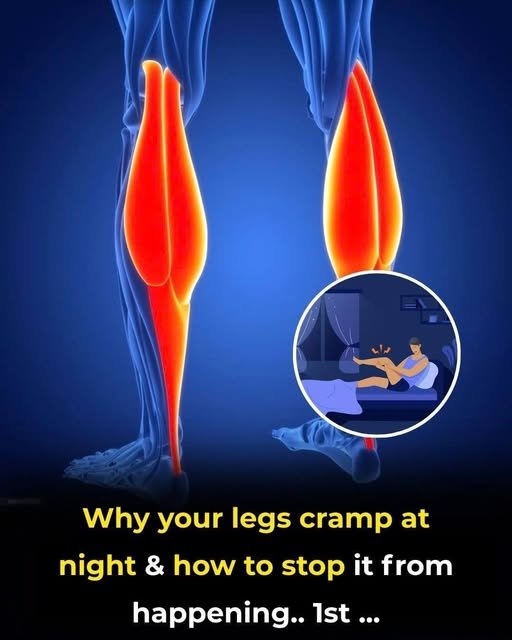
Leg cramps during sleep—often called nocturnal leg cramps—are sudden, painful muscle contractions that usually affect the calf, but they can also occur in the feet or thighs. The cramp can last from a few seconds to several minutes, and the muscle may remain sore for hours afterward.
These cramps are common, especially in older adults and pregnant women, but they can affect people of any age.
Why Do Leg Cramps Happen While Sleeping?
Experts believe that most nighttime leg cramps occur because the muscle contracts involuntarily. In many cases, there isn’t a single identifiable cause, but several factors can increase the likelihood.
1. Muscle Fatigue and Overuse
One of the most common reasons is muscle fatigue.
If you:
- Exercise intensely during the day
- Stand for long periods
- Walk or run more than usual
your muscles may become tired. During sleep, these fatigued muscles can contract unexpectedly, causing painful cramps.
2. Sitting or Sleeping in Certain Positions
Your sleeping position can influence muscle tension.
For example:
- Sleeping with your toes pointed downward can shorten the calf muscles.
- Sitting for long periods before bed can tighten the muscles.
When muscles remain shortened for extended periods, they’re more likely to cramp.
3. Dehydration
Although research is mixed, dehydration may contribute to muscle cramps in some people.
Not drinking enough water can:
- Reduce normal muscle function
- Affect nerve signalling
- Increase the chance of muscle spasms
This is particularly common after:
- Hot weather
- Heavy sweating
- Intense exercise
4. Electrolyte Imbalances
Muscles rely on minerals called electrolytes to contract and relax properly.
Important electrolytes include:
- Potassium
- Magnesium
- Calcium
- Sodium
Low levels may interfere with normal muscle activity.
However, many people with leg cramps have normal electrolyte levels, so supplements are not always the solution unless a deficiency is confirmed.
5. Pregnancy
Nighttime leg cramps are very common during pregnancy, especially in the second and third trimesters.
Possible reasons include:
- Increased body weight
- Changes in blood circulation
- Pressure on nerves
- Mineral changes
- Muscle fatigue
Most pregnancy-related cramps disappear after childbirth.
6. Ageing
The risk increases with age.
As people get older:
- Muscle mass naturally decreases.
- Tendons become shorter.
- Muscles fatigue more easily.
These changes make nighttime cramps more frequent in adults over 50.
7. Poor Blood Circulation
Reduced circulation may contribute in some individuals.
Conditions such as narrowed arteries can decrease blood flow during activity, leading to discomfort or cramping. However, cramps caused by circulation problems are more commonly triggered by walking rather than occurring only during sleep.
8. Nerve Problems
Nerves control muscle movement.
Conditions affecting nerves can increase cramp risk, including:
- Pinched nerves in the spine
- Peripheral neuropathy
- Diabetes-related nerve damage
These conditions may also cause numbness, tingling, or weakness.
9. Medical Conditions
Several health conditions are associated with more frequent leg cramps, including:
- Diabetes
- Kidney disease
- Liver disease
- Thyroid disorders
- Parkinson’s disease
- Peripheral artery disease
- Multiple sclerosis
Having one of these conditions doesn’t necessarily mean you’ll experience cramps, but the risk may be higher.
10. Certain Medications
Some medicines can increase the likelihood of muscle cramps.
Examples include:
- Diuretics (water tablets)
- Statins (cholesterol-lowering drugs)
- Some asthma medications
- Certain blood pressure medicines
- Oestrogen therapy in some cases
If cramps began after starting a new medication, discuss it with your healthcare provider before making any changes.
Who Is Most at Risk?
Nighttime leg cramps are more common in:
- Adults over 50
- Pregnant women
- Athletes
- People who stand all day for work
- Individuals with chronic medical conditions
- People who are dehydrated
What to Do During a Leg Cramp
If a cramp wakes you up:
- Gently straighten the affected leg.
- Pull your toes toward your shin to stretch the calf.
- Massage the muscle gently.
- Walk around for a few minutes if possible.
- Apply a warm towel or heating pad to relax the muscle.
- If soreness remains afterwards, an ice pack may help.
Most cramps resolve within a few minutes.
How to Help Prevent Nighttime Leg Cramps
You may reduce the frequency of cramps by:
- Drinking enough fluids throughout the day.
- Stretching your calf and hamstring muscles before bed.
- Staying physically active without overexerting yourself.
- Wearing supportive footwear if you spend long hours standing.
- Avoiding sitting or standing in one position for extended periods.
- Discussing persistent cramps or possible medication side effects with your healthcare provider.
If you have recurrent cramps and suspect a nutrient deficiency, seek medical advice before taking supplements, as excessive amounts of some minerals can be harmful.
When to See a Doctor
Occasional nighttime leg cramps are usually not a cause for concern. However, you should seek medical evaluation if:
- Cramps occur frequently or severely.
- They significantly disrupt your sleep.
- You have muscle weakness, swelling, redness, or persistent pain.
- You experience numbness or tingling.
- Cramps begin after starting a new medication.
- Home measures do not provide relief.
A healthcare professional can assess whether an underlying medical condition or medication may be contributing.
Key Takeaway
Nighttime leg cramps are usually caused by a combination of muscle fatigue, prolonged muscle shortening during sleep, ageing, dehydration, or other factors affecting normal muscle and nerve function. While most cases are harmless and improve with stretching and self-care, frequent or severe cramps warrant medical evaluation to rule out underlying health conditions and guide appropriate treatment.