Why Neck Skin Sags as You Age — And What You Can Do About It
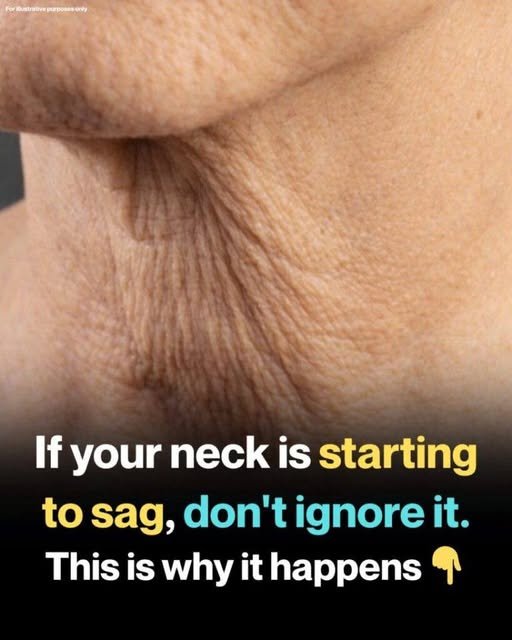
The neck is one of the first areas of the body to show visible signs of ageing. Many people notice loose skin, wrinkles, vertical bands, or a “turkey neck” appearance even when their face still looks youthful. This happens because the skin on the neck is thinner than facial skin and is exposed to constant movement, gravity, and environmental damage.
Here’s a detailed explanation of why neck skin sags and what you can do to prevent and treat it.
Why Does Neck Skin Sag?
1. Loss of Collagen and Elastin
Collagen and elastin are the two most important proteins that keep your skin firm and elastic.
- Collagen provides strength and structure.
- Elastin allows the skin to stretch and bounce back.
Starting in your mid-20s, your body produces about 1% less collagen each year. By the time you reach your 40s and 50s, the decrease becomes more noticeable.
As collagen and elastin decline:
- Skin becomes thinner.
- Wrinkles appear.
- The neck begins to droop.
- Skin loses firmness.
2. Natural Ageing
Ageing slows many processes in the skin:
- Slower cell turnover
- Reduced blood circulation
- Less production of natural oils
- Decreased skin hydration
- Reduced healing ability
These changes make neck skin appear:
- Dry
- Crepey
- Loose
- Wrinkled
3. Gravity
Gravity constantly pulls the skin downward.
Over decades, weakened collagen cannot resist this pull.
As a result:
- Skin stretches
- Jawline softens
- Neck tissues descend
- Loose folds develop
4. Muscle Changes
A thin muscle called the platysma runs from the chest to the jaw.
With age, this muscle weakens and separates into vertical bands.
This creates:
- Neck bands
- Loose appearance
- Less defined jawline
5. Fat Redistribution
Ageing changes the way fat is stored.
Some facial fat disappears while fat accumulates beneath the chin.
This leads to:
- Double chin
- Sagging neck
- Loss of neck definition
6. Sun Damage
Ultraviolet (UV) rays are one of the biggest causes of premature skin ageing.
Repeated sun exposure breaks down collagen and elastin.
This process is known as photoageing.
Signs include:
- Wrinkles
- Brown spots
- Rough skin
- Thin skin
- Sagging
Many people apply sunscreen to the face but forget the neck.
7. Smoking
Smoking reduces blood flow to the skin.
Nicotine narrows blood vessels and limits oxygen delivery.
Smoking also increases enzymes that destroy collagen.
As a result:
- Skin ages faster
- Wrinkles deepen
- Healing slows
- Neck skin becomes thinner
8. Weight Changes
Rapid weight gain stretches the skin.
Rapid weight loss may leave excess loose skin behind.
Repeated cycles of gaining and losing weight reduce skin elasticity over time.
9. Genetics
Some people inherit:
- Thinner skin
- Lower collagen production
- Early wrinkles
- Faster ageing
Genetics influence when neck sagging begins, although lifestyle still plays a major role.
10. Poor Posture (“Tech Neck”)
Frequently looking down at phones or laptops creates repeated folds in the neck.
Over time, these repeated creases can become permanent wrinkles.
Common Signs of Neck Ageing
You may notice:
- Loose skin
- Horizontal neck lines
- Vertical muscle bands
- Wrinkles
- Double chin
- Crepey texture
- Sagging jawline
- Uneven skin tone
- Brown spots
- Dry skin
How to Prevent Neck Skin Sagging
Although ageing cannot be stopped, healthy habits can slow the process.
1. Wear Sunscreen Every Day
Use a broad-spectrum SPF 30 or higher on your:
- Face
- Neck
- Chest
Reapply every two hours when outdoors.
2. Moisturise Daily
A good moisturiser helps maintain the skin barrier.
Look for ingredients such as:
- Hyaluronic acid
- Ceramides
- Glycerin
- Squalane
3. Use Retinoids
Retinoids (vitamin A derivatives) stimulate collagen production and improve skin texture over time.
Benefits include:
- Fewer wrinkles
- Firmer skin
- Improved texture
- More even pigmentation
Start gradually, as they can cause irritation.
4. Eat a Healthy Diet
A balanced diet supports skin health.
Include foods rich in:
- Vitamin C (citrus fruits, berries)
- Vitamin E (nuts, seeds)
- Protein (fish, eggs, beans)
- Omega-3 fats (salmon, walnuts)
- Antioxidants (leafy greens, colourful vegetables)
5. Stay Hydrated
Drinking enough water supports overall skin function, although hydration alone will not prevent sagging.
6. Avoid Smoking
Stopping smoking improves blood flow and helps preserve collagen.
7. Exercise Regularly
Regular exercise improves circulation and supports overall health, which benefits the skin.
Strength training also helps maintain muscle mass that supports body contours.
8. Sleep Well
During sleep, the body repairs skin and produces growth hormones important for tissue maintenance.
Aim for 7–9 hours of quality sleep per night.
Can Neck Exercises Help?
Some exercises strengthen neck muscles and may improve muscle tone slightly.
Examples include:
- Chin lifts
- Neck stretches
- Jaw resistance exercises
However, scientific evidence suggests they have only a modest effect on loose skin and cannot replace treatments that address skin laxity.
Non-Surgical Treatments
Several cosmetic procedures can improve mild to moderate neck sagging.
Radiofrequency (RF)
Uses heat to stimulate collagen production.
Results develop gradually over several months.
Ultrasound Skin Tightening
Focused ultrasound energy reaches deeper tissues to stimulate collagen and improve skin firmness.
Microneedling
Tiny needles create controlled micro-injuries that encourage collagen production.
Often combined with radiofrequency for greater effect.
Laser Resurfacing
Laser treatments stimulate collagen and improve:
- Fine wrinkles
- Texture
- Sun damage
- Mild skin laxity
Injectable Treatments
Depending on the concern, clinicians may use:
- Neuromodulators to relax prominent neck bands.
- Dermal fillers in selected cases to restore volume.
- Injectable treatments to reduce small areas of fat beneath the chin in appropriate candidates.
Suitability depends on individual anatomy and should be assessed by a qualified healthcare professional.
Surgical Options
For more severe neck sagging, surgery provides the most dramatic and long-lasting improvement.
Common procedures include:
- Neck lift
- Lower facelift with neck tightening
- Liposuction for excess neck fat (when appropriate)
Recovery generally takes several weeks, and results can last many years, though ageing continues naturally.
When Should You See a Dermatologist or Plastic Surgeon?
Consider a professional evaluation if:
- Sagging is affecting your confidence.
- Home skincare is not producing the results you want.
- You notice rapid or unusual changes in the skin.
- You want advice on non-surgical or surgical treatment options.
A specialist can recommend the most suitable approach based on your skin quality, anatomy, and goals.
Key Takeaway
Neck skin sags because of a combination of natural ageing, collagen and elastin loss, gravity, muscle changes, fat redistribution, sun exposure, smoking, weight fluctuations, genetics, and repetitive neck movements. While ageing cannot be prevented, consistent sun protection, a good skincare routine, healthy lifestyle habits, and avoiding smoking can help slow the process. For more noticeable sagging, dermatologist- or surgeon-performed treatments—including skin-tightening procedures or surgery—may provide more significant improvement.