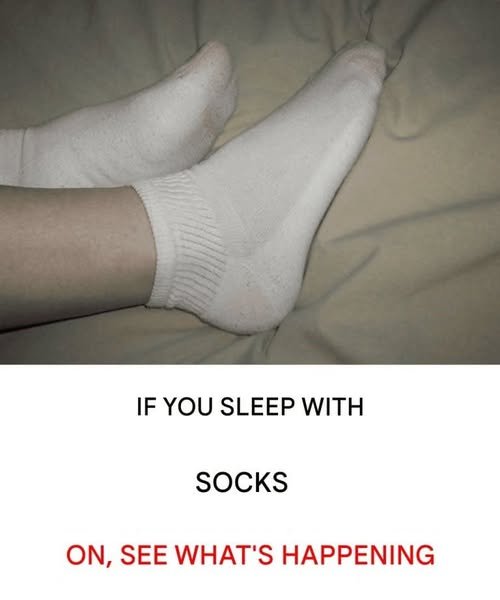
Seniors may benefit from wearing socks at home for several health, comfort, and safety reasons. As people age, changes in circulation, skin condition, balance, and body temperature regulation can make the feet more vulnerable. Wearing appropriate socks can help protect the feet and improve daily comfort.
1. Helps keep feet warm
As people get older, the body often becomes less efficient at maintaining temperature. Reduced circulation, especially in the hands and feet, can make feet feel cold even in a comfortable room.
Wearing socks can:
- Keep feet warm during rest and sleep
- Reduce discomfort caused by cold feet
- Help maintain overall body comfort
- Be especially useful during winter or in homes with cold floors
Cold feet are not always just a comfort issue; persistent coldness may sometimes be linked to circulation problems, so unusual or severe symptoms should be discussed with a healthcare professional.
2. Reduces the risk of falls
Falls are one of the most common causes of injury among older adults. Bare feet can increase the chance of slipping or losing balance, especially on:
- Wooden floors
- Tiles
- Smooth surfaces
- Slightly wet areas
Socks with non-slip grips on the bottom can provide extra traction and may help seniors move around the home more safely.
However, ordinary loose socks can sometimes increase slipping risk, so choosing the right type matters.
3. Protects the skin of the feet
Older skin is usually thinner, drier, and more easily damaged. Walking barefoot can expose feet to:
- Small cuts
- Scratches
- Splinters
- Dust and dirt
- Minor injuries that may go unnoticed
Socks create a protective barrier between the feet and the floor.
4. Helps prevent foot infections
Feet can be exposed to bacteria and fungi, especially in warm or damp conditions. Clean socks can help:
- Absorb sweat
- Keep feet cleaner
- Reduce direct contact with contaminated surfaces
Seniors with diabetes should pay special attention to foot protection because diabetes can affect sensation and healing.
5. Supports people with diabetes
Many older adults have diabetes, which can affect:
- Blood circulation
- Nerve sensation
- Wound healing
A small injury on the foot may not be noticed and can become serious. Wearing comfortable, well-fitting socks can help protect diabetic feet.
Important tips for diabetic seniors:
- Choose soft, breathable socks
- Avoid tight elastic bands that restrict circulation
- Check feet regularly for cuts, redness, swelling, or sores
- Follow medical advice for foot care
6. Prevents dry, cracked feet
Dry skin and cracked heels are common with aging. Cracks can become painful and may allow germs to enter.
Socks can help by:
- Reducing friction
- Protecting moisturised feet
- Preventing further dryness when worn after applying foot cream (as advised by a healthcare professional)
7. Improves comfort during sleep
Some seniors sleep better when their feet are warm. Warm feet can help some people feel more relaxed and comfortable at bedtime.
For sleep, choose:
- Loose-fitting socks
- Breathable materials like cotton or bamboo blends
- Socks without tight bands
Avoid socks that feel restrictive.
8. Helps people with poor circulation
Older adults may experience reduced blood flow to the feet. Keeping feet covered and warm may improve comfort.
Signs that should be checked by a doctor include:
- One foot being much colder than the other
- Persistent numbness
- Colour changes (blue, pale, or unusually red feet)
- Severe pain or swelling
Choosing the right socks for seniors
Good senior-friendly socks should be:
✅ Comfortable and non-tight
Avoid socks that leave deep marks around the ankle.
✅ Non-slip (especially for walking at home)
Grip soles can improve safety.
✅ Breathable
Cotton, wool blends, or moisture-wicking fabrics can help manage sweat.
✅ The correct size
Too-small socks can reduce circulation; too-large socks may bunch up and cause tripping.
✅ Seamless or soft-seamed
Useful for people with sensitive skin or foot problems.
When seniors should avoid wearing socks
Socks may not be suitable if:
- They are too tight
- They cause numbness or tingling
- Feet become sweaty and irritated
- There are open wounds requiring special care
- A doctor has advised a specific foot-care routine
Summary
For many seniors, wearing socks at home is a simple habit that can improve warmth, foot protection, comfort, and safety. The best choice is usually a pair of clean, well-fitting, breathable socks with non-slip soles, especially for older adults who have balance concerns, diabetes, or circulation issues.