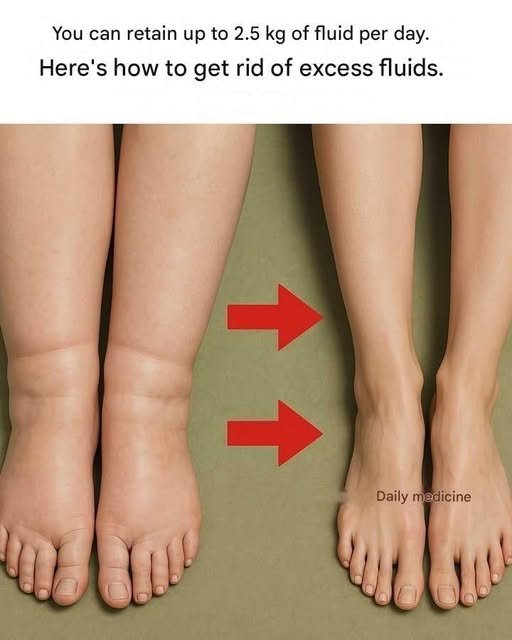
Here’s a detailed explanation of excess fluid retention (edema) and how to reduce it.
What is fluid retention?
Fluid retention occurs when excess water accumulates in the body’s tissues instead of being properly eliminated by the kidneys. It can cause:
- Puffiness in the face
- Swollen hands or fingers
- Tight rings or shoes
- Swollen ankles or feet
- Temporary weight gain
- Bloating, especially around the abdomen
Common causes
1. High sodium intake
Eating large amounts of salt causes the body to hold onto water to maintain the right sodium concentration.
Common high-sodium foods include:
- Fast food
- Processed meats
- Chips
- Instant noodles
- Restaurant meals
- Frozen meals
2. High carbohydrate intake
Every gram of stored glycogen is stored with approximately 3–4 grams of water. After a high-carb meal or refeeding following a low-carb diet, weight may increase largely because of water.
3. Hormonal changes
Hormones can influence fluid balance:
- Menstrual cycle
- Pregnancy
- Menopause
- Increased cortisol from stress
4. Sitting or standing for long periods
Gravity causes fluid to pool in the legs and feet.
5. Certain medications
Examples include:
- Some blood pressure medications
- Steroids
- NSAID pain relievers
- Certain diabetes medications
- Estrogen-containing medications
6. Medical conditions
Persistent or significant swelling can be caused by:
- Heart failure
- Kidney disease
- Liver disease
- Thyroid disorders
- Problems with veins or the lymphatic system
How to reduce excess fluid
Reduce sodium
Aim for less than 2,300 mg of sodium daily, or less if advised by your healthcare provider.
Choose:
- Fresh vegetables
- Fruits
- Fresh meat or fish
- Homemade meals
Limit:
- Processed foods
- Canned soups
- Fast food
- Salty snacks
Stay well hydrated
It seems counterintuitive, but drinking enough water helps the kidneys regulate fluid balance.
Many adults benefit from around 2–3 liters per day, though individual needs vary with body size, activity, and climate.
Eat potassium-rich foods
Potassium helps balance sodium.
Good sources include:
- Bananas
- Potatoes
- Sweet potatoes
- Spinach
- Tomatoes
- Avocados
- Beans
- Yogurt
People with kidney disease should only increase potassium if advised by their clinician.
Exercise
Physical activity improves circulation and encourages excess fluid to return to the bloodstream, where the kidneys can eliminate it.
Helpful activities include:
- Walking
- Cycling
- Swimming
- Resistance training
Elevate swollen legs
If swelling is mainly in the legs:
- Raise your legs above heart level for 15–30 minutes.
- Repeat several times daily if practical.
Wear compression stockings
These can help prevent fluid from pooling in the lower legs, especially if you spend long periods standing or sitting.
Moderate carbohydrate intake (if appropriate)
If you’ve recently had a very high-carbohydrate intake, returning to your usual balanced eating pattern may reduce glycogen-associated water over the next few days.
Get adequate sleep
Poor sleep can affect hormones involved in fluid regulation and appetite.
Aim for about 7–9 hours of quality sleep per night.
Limit alcohol
Alcohol can initially increase urine output but may later contribute to dehydration and subsequent water retention.
Foods that may help
Some foods and beverages have mild diuretic effects, although the evidence varies:
- Cucumbers
- Watermelon
- Celery
- Asparagus
- Lemon water
- Green tea
- Coffee (in moderation for regular caffeine users)
These should complement, not replace, overall healthy habits.
How long does it take to lose water weight?
If the cause is temporary:
- Mild water retention: 24–48 hours
- After a very salty meal: 1–3 days
- After a high-carbohydrate intake: 2–5 days
- Hormonal water retention: Often improves as hormone levels change.
When to seek medical care
Seek prompt medical evaluation if fluid retention:
- Appears suddenly or is severe
- Affects only one leg, especially if painful or red
- Is accompanied by chest pain or shortness of breath
- Persists despite lifestyle measures
- Occurs along with reduced urination, significant fatigue, or unexplained weight gain
These symptoms may indicate a condition requiring medical treatment.
Key points
- Daily body weight can fluctuate due to changes in body water, but retaining 2.5 kg of fluid in one day is not typical for most healthy adults.
- Temporary water retention is commonly related to sodium, carbohydrates, hormonal changes, prolonged sitting or standing, and some medications.
- The most effective ways to reduce excess fluid are to limit sodium, stay hydrated, exercise regularly, eat a balanced diet rich in potassium (if appropriate), and address any underlying medical causes if swelling is persistent or severe.