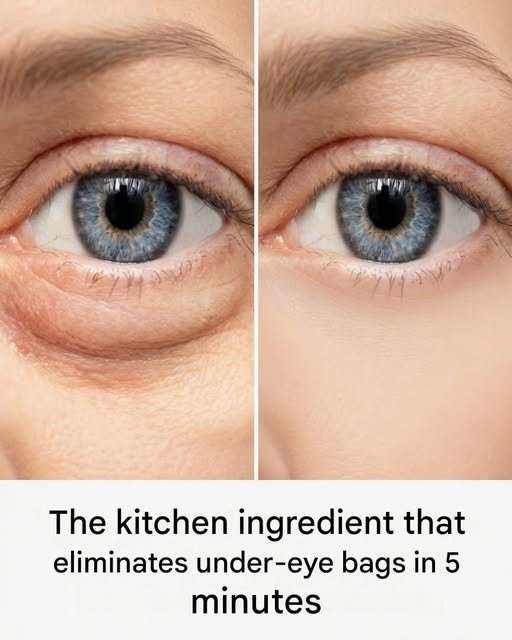
here’s a detailed, reader-friendly article built around that headline, with practical explanations and safe, realistic tips.
You Won’t Believe What 5 Minutes Can Do to Your Puffy Eyes
Waking up with puffy eyes can be frustrating, especially when you have an important meeting, a busy day, or simply want to look more refreshed. The good news? You don’t always need expensive creams, complicated routines, or hours of preparation.
Sometimes, just five minutes can make a noticeable difference.
Eye puffiness is often caused by temporary fluid retention around the eyes. Lack of sleep, crying, allergies, dehydration, salty foods, alcohol, or sleeping in certain positions can all contribute to swelling. While a five-minute routine won’t permanently eliminate the underlying cause, it can temporarily reduce the appearance of puffiness and help your eyes look more awake.
Here’s a simple routine you can try.
Why Do Your Eyes Look Puffy?
The skin around your eyes is extremely thin and delicate. Because of this, even a small amount of fluid accumulation can become noticeable.
Common reasons for puffy eyes include:
- Not getting enough sleep: Poor or insufficient sleep can make the area around your eyes look swollen and tired.
- Eating a lot of salty foods: Sodium can encourage your body to retain water, which may contribute to temporary puffiness.
- Crying: Tears and rubbing can temporarily increase swelling around the eyes.
- Allergies: Seasonal or environmental allergies can cause inflammation, itching, and puffiness.
- Dehydration: When you’re not drinking enough fluids, your body can respond by retaining water.
- Sleeping position: Lying flat for several hours can allow fluid to collect around the face and eyes.
- Genetics and aging: Some people naturally have more prominent under-eye bags, and changes in skin elasticity over time can make them more noticeable.
Understanding the cause matters because a quick cooling routine may help temporary swelling, but it won’t completely change genetic under-eye bags or structural changes.
The 5-Minute Puffy-Eye Reset
The goal of this routine is simple: cool, soothe, and gently encourage fluid movement without irritating the delicate skin around your eyes.
Minute 1: Wash Your Face With Cool Water
Start by gently rinsing your face with cool water.
You don’t need ice-cold water. Extremely cold temperatures can be uncomfortable and may irritate sensitive skin.
Use clean hands and avoid rubbing your eyes. Gently pat your face dry with a clean, soft towel.
The cooling sensation can temporarily constrict blood vessels and may help make swelling appear less noticeable.
Minute 2: Apply a Cool Compress
This is one of the easiest ways to tackle temporary eye puffiness.
Take a clean washcloth, wet it with cool water, wring it out, and place it gently over your closed eyes.
Leave it there for about one minute.
Alternatively, you can use a refrigerated eye mask designed for this purpose.
Why does cooling help?
Cold temperatures can temporarily reduce blood flow to the area and may decrease the appearance of swelling.
However, don’t put ice directly on your skin. If you’re using something frozen, wrap it in a clean, soft cloth and avoid prolonged contact.
Minute 3: Give Your Eyes a Gentle Massage
After cooling the area, use your ring fingers to gently massage around the orbital bone—the firm bone surrounding the eye.
Use extremely light pressure.
You can make small movements from the inner corner underneath your eye toward the outer corner. Then gently move along the brow bone.
The goal isn’t to “push” the swelling away aggressively. The skin around your eyes is delicate, and excessive pressure can cause irritation.
If your eyes are itchy, painful, or irritated, skip the massage rather than rubbing them.
Minute 4: Blink, Breathe, and Rest Your Eyes
If you’ve just woken up or spent hours looking at a phone or computer, give your eyes a short break.
Close your eyes for a few seconds, then slowly open them and blink several times.
You can also practice slow, relaxed breathing:
Inhale for four seconds.
Exhale for four seconds.
Repeat several times.
This won’t magically remove puffiness, but it can help you start the day feeling more relaxed rather than immediately staring at a bright screen.
Minute 5: Apply a Gentle Moisturizer
Finish with a small amount of gentle moisturizer.
If you use an eye cream, choose one formulated for the eye area and apply only a tiny amount. Avoid getting products directly into your eyes.
Ingredients commonly found in products designed for the appearance of tired or puffy eyes include caffeine and certain moisturizing ingredients. Caffeine-containing products may temporarily make puffiness appear less noticeable by affecting blood vessels, although results vary from person to person.
You don’t need to use a large amount. More product does not necessarily mean better results.
An Extra Trick: Keep Your Head Elevated
If you’re particularly prone to morning puffiness, your nighttime habits may be just as important as your morning routine.
Sleeping with your head slightly elevated can help reduce fluid accumulation around the face for some people.
You don’t need an extreme angle. A comfortable pillow arrangement that keeps your head modestly elevated is generally more practical.
And remember: getting enough sleep is one of the most important things you can do for the appearance of tired eyes.
What About Cucumbers and Tea Bags?
You’ve probably seen people putting cucumber slices over their eyes in beauty videos.
There’s a reason the technique remains popular.
Cool cucumber slices can provide a soothing, cooling sensation, and simply resting with something cool over your eyes may temporarily reduce the appearance of puffiness.
Some people also use cooled tea bags. However, you should be cautious.
Tea bags can irritate sensitive skin, especially if they’re scented or contain ingredients that don’t agree with you. Never put tea or other substances directly into your eyes.
If you want to try this method, keep the tea bags clean, cool—not freezing—and use them only on closed eyelids.
What You Should NOT Do
When your eyes are puffy, it’s tempting to try anything that promises instant results. But some popular tricks can do more harm than good.
Don’t rub your eyes
Rubbing can increase irritation and make swelling worse.
Don’t put ice directly on your skin
Direct ice contact can injure the skin. Always use a barrier such as a soft cloth.
Don’t use harsh products
Avoid applying strong acids, fragrances, essential oils, or other irritating ingredients close to your eyes unless the product is specifically intended for that area.
Don’t press hard during massage
More pressure doesn’t mean better results. Gentle movements are enough.
Don’t expect permanent results
A five-minute routine can temporarily improve the appearance of puffiness, but it can’t permanently eliminate hereditary eye bags, aging-related changes, or certain medical causes.
How to Prevent Puffy Eyes Tomorrow
If you frequently wake up with swollen eyes, prevention may be more useful than repeatedly trying to fix the problem.
1. Get consistent sleep
Aim for a regular sleep schedule and enough sleep for your individual needs.
2. Watch your sodium intake
Very salty meals, especially late at night, may contribute to fluid retention in some people.
3. Stay hydrated
Drink enough fluids throughout the day rather than waiting until you’re extremely thirsty.
4. Manage allergies
If allergies are contributing to eye swelling, identifying and managing your triggers can make a significant difference.
5. Avoid excessive eye rubbing
If your eyes itch, try addressing the cause rather than repeatedly rubbing them.
6. Remove makeup before bed
Leaving makeup around the eyes overnight can contribute to irritation for some people. Use a gentle remover and avoid aggressive rubbing.
7. Protect your eyes during the day
Sunglasses can help reduce exposure to bright sunlight and may also discourage squinting.
When Puffy Eyes May Need Medical Attention
Most occasional morning puffiness is harmless and temporary.
However, persistent or unusual swelling shouldn’t automatically be treated as a cosmetic problem.
Consider speaking with a healthcare professional if swelling:
- Happens frequently without an obvious reason
- Is severe or persistent
- Affects only one eye
- Is accompanied by significant redness or pain
- Comes with vision changes
- Occurs with discharge
- Appears after an injury
- Is accompanied by other concerning symptoms
The cause could be something as simple as allergies or irritation, but persistent swelling can sometimes be associated with an underlying medical issue.
The Bottom Line
You don’t need a complicated beauty routine to make tired-looking eyes appear fresher.
A five-minute combination of cool water, a cool compress, gentle movements, a short eye break, and appropriate moisturizer can temporarily reduce the appearance of puffiness for many people.
But the bigger picture matters.
Regular sleep, hydration, balanced eating habits, allergy management, and avoiding eye irritation are often more important for keeping your eyes looking refreshed over time.
So the next time you wake up and see puffy eyes in the mirror, don’t panic.
Give yourself five minutes.
Cool. Soothe. Relax. Moisturize.
You may be surprised by how much more refreshed you can look—and how little time it takes.
If you want, I can also turn this into a more viral/SEO-style article with a catchy introduction, subheadings, keywords, FAQ section, and meta description.