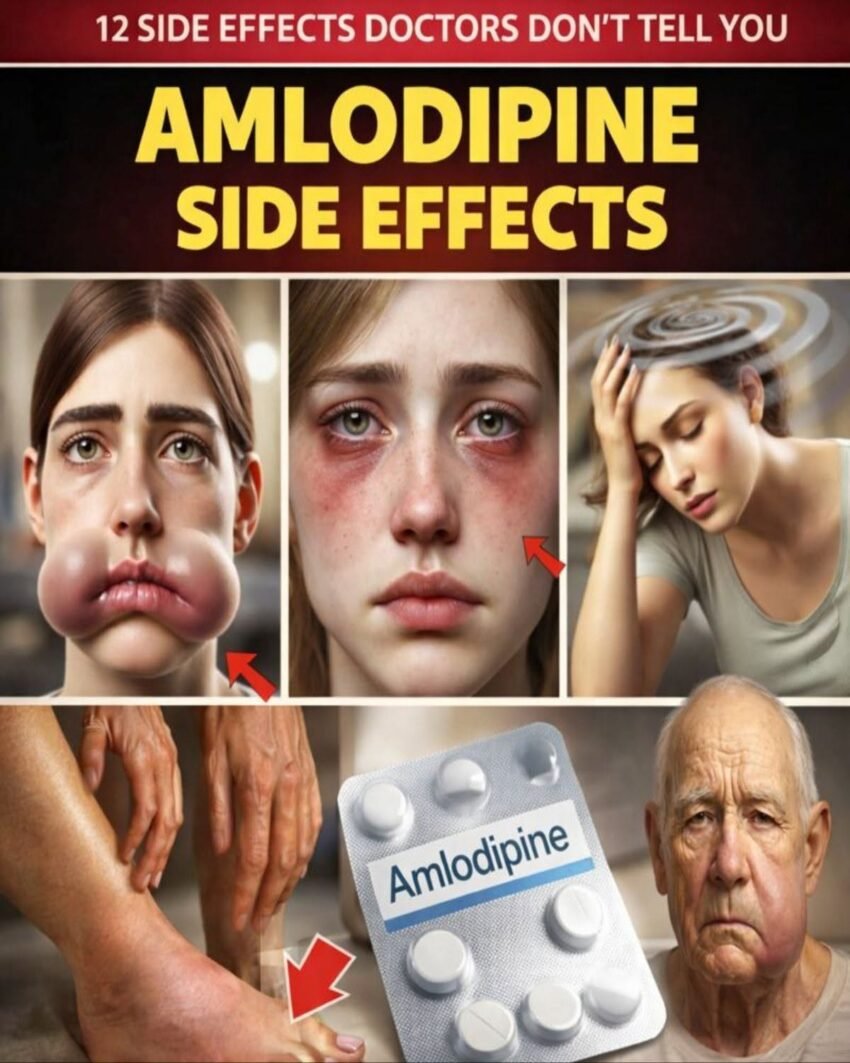
If you take amlodipine daily (a calcium channel blocker used mainly for high blood pressure and some heart conditions), certain habits, foods, and medicines can affect how well it works or increase side effects.
12 Things to Avoid While Taking Amlodipine Daily
1. Avoid stopping amlodipine suddenly
Do not stop taking amlodipine without medical advice. Your blood pressure may rise again, increasing the risk of complications.
2. Avoid missing doses frequently
Take it at the same time every day. Skipping doses can make blood pressure control less effective.
3. Avoid too much alcohol
Alcohol can lower blood pressure and may increase dizziness, lightheadedness, or fainting when combined with amlodipine.
4. Avoid excessive grapefruit intake (use caution)
Grapefruit is not as strongly linked with amlodipine interactions as it is with some other calcium channel blockers, but large amounts may affect how some people process the medicine. If you consume grapefruit regularly, ask your doctor or pharmacist.
5. Avoid taking new medicines without checking
Some medicines can interact with amlodipine, including certain:
- Blood pressure medicines
- Heart medicines
- Antibiotics
- Antifungal medicines
- Cholesterol medicines
Always tell your healthcare provider that you take amlodipine.
6. Avoid too much salt in your diet
High salt intake can raise blood pressure and reduce the benefit of amlodipine. Limit processed foods, salty snacks, and excessive added salt.
7. Avoid dehydration
Dehydration can make dizziness and low blood pressure more likely, especially in hot weather or during illness.
8. Avoid standing up too quickly
Amlodipine can sometimes cause dizziness, especially when starting treatment or increasing the dose. Rise slowly from sitting or lying positions.
9. Avoid ignoring swelling in your feet or ankles
A common side effect of amlodipine is ankle or leg swelling. Inform your doctor if it becomes uncomfortable, severe, or sudden.
10. Avoid taking more than the prescribed dose
Taking extra tablets will not lower blood pressure faster and can cause dangerously low blood pressure, dizziness, or fainting.
11. Avoid smoking
Smoking damages blood vessels and increases cardiovascular risk, making blood pressure control more difficult.
12. Avoid neglecting regular blood pressure checks
Even if you feel well, high blood pressure often has no symptoms. Regular monitoring helps confirm that treatment is working.
Common Side Effects of Amlodipine
Some people may experience:
- Ankle or foot swelling
- Headache
- Flushing
- Dizziness
- Tiredness
- Fast heartbeat or palpitations
Seek medical help urgently if you have:
- Severe dizziness or fainting
- Chest pain
- Signs of an allergic reaction (swelling of face/lips, difficulty breathing)
- Very low blood pressure symptoms
Important: Do not change your amlodipine dose or stop it without speaking with your doctor. Your personal risks can depend on your age, other medicines, kidney/liver health, and the reason you are taking it.