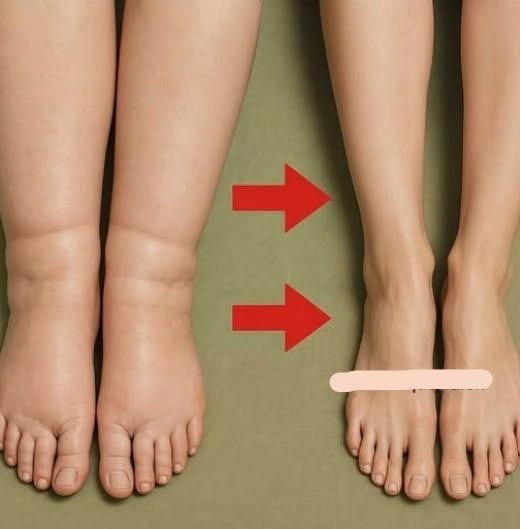
Here are five simple, evidence-based steps:
1. Reduce Sodium (Salt) Intake
Excess sodium causes your body to hold onto more water.
What to do:
- Aim for less than 2,300 mg of sodium per day (or lower if recommended by your healthcare provider).
- Limit processed foods such as:
- Chips
- Fast food
- Instant noodles
- Processed meats
- Packaged snacks
- Season foods with herbs, spices, lemon juice, or garlic instead of extra salt.
Why it works:
When sodium levels decrease, your kidneys excrete more sodium, and water follows, reducing fluid retention.
2. Drink More Water
It may sound surprising, but dehydration can make your body retain water.
What to do:
- Drink about 2–3 liters (8–12 cups) of water daily, adjusting for your size, climate, and activity level.
- Drink more if you exercise or live in a hot environment.
Benefits:
- Helps your kidneys flush excess sodium.
- Improves digestion.
- Reduces bloating caused by dehydration.
3. Eat Potassium-Rich Foods
Potassium helps balance sodium and supports healthy fluid regulation.
Good sources include:
- Bananas
- Avocados
- Spinach
- Sweet potatoes
- Tomatoes
- Beans
- Yogurt
- Coconut water (unsweetened)
Why it works:
Potassium encourages your kidneys to remove excess sodium, which can reduce water retention.
4. Exercise and Sweat
Physical activity encourages circulation and temporary fluid loss through sweat.
Try:
- Brisk walking for 30–45 minutes
- Jogging
- Cycling
- Swimming
- Strength training
Benefits:
- Improves blood and lymphatic circulation.
- Reduces swelling in the hands and feet.
- Helps use stored carbohydrates (glycogen), which are stored with water.
Tip:
Replace fluids after exercise to stay hydrated.
5. Reduce Refined Carbohydrates
Carbohydrates are stored as glycogen, and each gram of glycogen is stored with approximately 3–4 grams of water.
Reduce foods like:
- White bread
- Cakes
- Cookies
- Sugary drinks
- Candy
- Pastries
Instead eat:
- Oats
- Brown rice
- Whole-grain bread
- Vegetables
- Fruits
- Lean protein
Why it works:
Reducing excess refined carbs can lower glycogen stores and the associated water, especially if you’ve recently been eating a high-carb diet.
Sample One-Day Plan
Breakfast
- Oatmeal with berries
- Boiled eggs
- Water or unsweetened tea
Snack
- Banana
- Handful of unsalted almonds
Lunch
- Grilled chicken or fish
- Brown rice
- Mixed vegetables
Snack
- Plain yogurt with cucumber
Dinner
- Grilled salmon or lentils
- Steamed broccoli
- Sweet potato
Drink water consistently throughout the day.
How Quickly Can Water Weight Drop?
If your water retention is related to high sodium intake, hormonal changes, or a recent high-carbohydrate diet, you may notice:
- 0.5–1 kg within 1–3 days.
- Up to 2 kg over several days in some people with significant excess fluid retention.
The exact amount depends on your diet, activity level, medications, and underlying health.
When to Seek Medical Advice
Water retention can sometimes be caused by an underlying medical condition. Contact a healthcare professional if you have:
- Swelling that is severe, painful, or affects one leg only.
- Shortness of breath or chest pain.
- Persistent swelling that doesn’t improve.
- Known heart, kidney, or liver disease with worsening fluid retention.
These steps are intended for reducing normal, temporary water retention, not for treating medical edema.