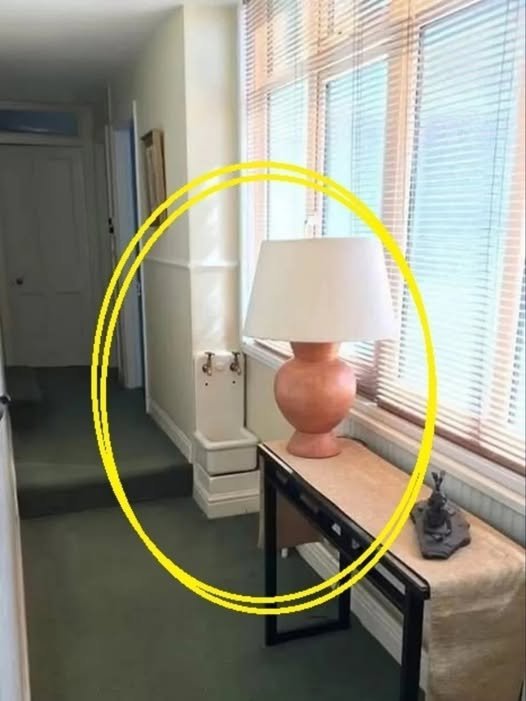
The Purpose of Small Hallway Sinks – A Forgotten Detail From Old-World Home Design
Small hallway sinks, often overlooked in modern homes, were once a practical and elegant feature in many houses across Europe and North America. Found in hallways, entrance areas, upstairs landings, or near staircases, these compact washbasins served important hygienic, social, and functional purposes long before modern plumbing became standard. Today, they are appreciated as charming reminders of traditional home design and are even making a comeback in some renovation projects.
What Is a Hallway Sink?
A hallway sink is a small wall-mounted or pedestal washbasin installed outside the main bathroom, typically in a corridor, hallway, or landing. Unlike kitchen sinks or bathroom vanities, these sinks were designed primarily for quick handwashing and light cleaning rather than bathing or food preparation.
Their compact size allowed them to fit into narrow spaces without interrupting movement through the home.
Historical Origins
1. Before Indoor Bathrooms Were Common
During the 18th and 19th centuries, many homes did not have dedicated bathrooms. Families relied on chamber pots, washbasins, or outdoor privies.
When indoor plumbing became available in the late 19th and early 20th centuries, homeowners often installed small sinks in convenient locations before full bathrooms became affordable or practical.
These hallway sinks became an intermediate solution that greatly improved household hygiene.
2. Victorian and Edwardian Homes
In Victorian and Edwardian architecture, personal cleanliness became increasingly associated with health and social status.
Small hallway sinks were commonly installed:
- Upstairs landings
- Near bedrooms
- At the end of hallways
- Close to servant quarters
- Near entrances
This allowed residents and guests to wash their hands without entering private bedrooms.
Main Purposes of Hallway Sinks
1. Encouraging Everyday Hygiene
The primary purpose was handwashing.
People returning from:
- Gardening
- Farm work
- Shopping
- Coal handling
- Outdoor labour
could quickly wash dirt from their hands before entering the rest of the home.
This reduced the spread of dirt throughout the house.
2. Serving Guests
Formal homes often separated public and private spaces.
Visitors could wash their hands before:
- Dinner
- Tea
- Social gatherings
without needing access to family bathrooms.
This preserved household privacy while maintaining good etiquette.
3. Bedroom Convenience
In homes with many bedrooms but only one bathroom, hallway sinks made morning routines much easier.
Family members could:
- Brush their teeth
- Wash their face
- Comb their hair
- Shave
without waiting for the bathroom.
This significantly reduced congestion during busy mornings.
4. Night-Time Use
Hallway sinks were particularly useful during the night.
Rather than walking downstairs or waiting for the bathroom, occupants could:
- Wash hands
- Rinse a face cloth
- Get drinking water
- Clean minor cuts
This convenience was especially valuable in large multi-storey homes.
5. Child Care
Parents often used hallway sinks for:
- Washing children’s hands
- Cleaning muddy feet
- Rinsing cloth nappies
- Quick clean-ups after play
The sink acted as an easily accessible cleaning station.
6. Household Chores
Small hallway sinks were surprisingly versatile.
Common uses included:
- Washing paintbrushes
- Filling buckets
- Cleaning shoes
- Rinsing dust cloths
- Washing flower vases
- Watering indoor plants
They served as an extra utility sink without occupying kitchen space.
Public Health Improvements
As medical understanding improved during the late 1800s, doctors began promoting frequent handwashing to reduce disease transmission.
Having a conveniently located sink encouraged better hygiene and helped reduce the spread of illnesses such as:
- Influenza
- Tuberculosis
- Typhoid fever
- Common respiratory infections
Although germ theory was still developing, easy access to clean water supported healthier daily habits.
Architectural Features
Traditional hallway sinks often included:
Wall-Mounted Design
- Space-saving
- Easy to clean beneath
- Suitable for narrow corridors
Small Basin
Usually only 30–45 cm (12–18 inches) wide.
Large enough for handwashing but compact enough for tight spaces.
Ceramic Construction
Most were made from:
- Porcelain
- Vitreous china
- Glazed ceramic
These materials resisted stains and were easy to clean.
Decorative Backsplash
Victorian sinks often featured:
- Floral patterns
- Blue-and-white tiles
- Marble surrounds
- Ornate cast-iron brackets
These decorative elements reflected the craftsmanship of the era.
Water Supply and Plumbing
Early hallway sinks generally had:
- Cold water only
- Separate hot and cold taps (where hot water was available)
- Exposed plumbing
- Gravity-fed water systems
Hot water often came from a boiler or kitchen range rather than a dedicated water heater.
Why They Disappeared
Several developments led to the decline of hallway sinks.
1. More Bathrooms
By the mid-20th century, homes increasingly featured:
- Multiple bathrooms
- En-suite bathrooms
- Guest powder rooms
These reduced the need for a sink in the hallway.
2. Improved Plumbing
Modern plumbing made it practical to install sinks wherever they were needed, including in every bathroom.
Hallway sinks became redundant.
3. Changing Floor Plans
Open-plan living gained popularity.
Hallways became smaller, and designers preferred uninterrupted circulation space over additional fixtures.
4. Maintenance Concerns
Extra plumbing meant:
- More pipes
- Higher maintenance costs
- Increased risk of leaks
Builders often removed hallway sinks during renovations to simplify layouts.
Where They Can Still Be Found
Hallway sinks remain in some:
- Victorian terraces
- Edwardian homes
- Georgian townhouses
- Historic farmhouses
- Manor houses
- Converted schools
- Heritage buildings
Many have been preserved because of their architectural and historical value.
Modern Revival
Interior designers are rediscovering hallway sinks for both practical and aesthetic reasons.
Today, they may be used as:
- Compact handwashing stations near entrances
- Decorative features in period homes
- Pet-cleaning areas
- Utility sinks for gardening
- Wash stations in mudrooms
- Accessible sinks for quick clean-ups
Modern versions often combine vintage styling with contemporary plumbing and water-saving fixtures.
Design Tips for Restoring or Installing One
If you’re considering a hallway sink, these ideas can help:
- Choose a compact wall-mounted basin to maximise floor space.
- Match the sink style to the home’s architecture, such as Victorian, Edwardian, or modern minimalist.
- Add a tiled backsplash to protect the wall and enhance the design.
- Install good lighting and a mirror for convenience.
- Consider touchless or water-efficient taps for improved hygiene and lower water use.
- Ensure local plumbing and building regulations are followed.
Cultural Significance
Hallway sinks reflect a period when architecture responded closely to everyday routines. They illustrate how homes evolved alongside advances in sanitation, plumbing, and social customs. Though largely replaced by modern bathrooms and utility rooms, these modest fixtures remain a symbol of thoughtful, practical design that balanced convenience, cleanliness, and hospitality.
Conclusion
Small hallway sinks were much more than decorative curiosities. They provided convenient places to wash hands, supported better hygiene, eased the demands of large households, assisted with daily chores, and allowed guests to freshen up without entering private areas of the home. While many disappeared as homes gained multiple bathrooms and more advanced plumbing, surviving examples continue to showcase the ingenuity and craftsmanship of old-world home design. Their recent revival demonstrates that even small architectural details can offer lasting practical value while adding distinctive character to a home.