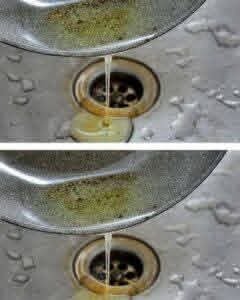
You should never pour hot oil, cooking grease, or liquid fat down your sink drain, even if you run hot water or add dish soap. While the oil may appear to wash away at first, it can cool, harden, and contribute to blockages in your home’s plumbing and the wider sewer system.
Here’s why in detail:
1. Oil solidifies as it cools
Cooking oils such as:
Vegetable oil
Olive oil
Coconut oil
Lard
Bacon grease
Butter fat
are often liquid when hot but become thicker—or even solid—once they cool.
As the oil travels through the drain and pipes, the temperature drops. The oil can:
Coat the inside of the pipes.
Become sticky.
Trap food particles and debris.
Over time, these layers build up and narrow the pipe.
2. Grease causes stubborn clogs
Unlike water, oil does not mix with water. Even if you pour boiling water after the oil, much of the grease sticks to the pipe walls.
As more grease is poured down the drain over weeks or months, it combines with:
Coffee grounds
Rice
Pasta
Eggshell fragments
Flour
Soap residue
Hair (in bathroom plumbing if systems connect)
This can create a thick blockage that slows drainage or completely blocks the pipe.
Signs of a grease clog include:
Slow-draining sinks
Gurgling noises
Bad smells
Water backing up into the sink
3. Hot oil can damage some plumbing
Very hot oil can affect certain plumbing components, particularly:
PVC pipes if exposed repeatedly to high temperatures
Rubber seals and gaskets
Plastic drain fittings
Modern plumbing is designed to handle hot water, but repeatedly pouring extremely hot liquids—including oil—may shorten the life of some components.
4. Dish soap doesn’t solve the problem
Many people think adding washing-up liquid makes oil safe to pour away.
Dish soap temporarily breaks oil into tiny droplets, but as the mixture cools farther along the plumbing system, the grease can separate again and stick to pipe walls.
Soap may reduce some residue, but it does not eliminate the risk of grease build-up.
5. It can damage municipal sewer systems
The problem doesn’t stop at your house.
Oil and grease entering public sewers combine with:
Wet wipes
Food waste
Soap
Calcium deposits
Other fats
These materials can form large masses known as “fatbergs” that restrict sewer flow and can lead to costly maintenance, sewage overflows, and environmental contamination.
6. Environmental impacts
If grease contributes to sewer overflows or enters waterways, it can:
Pollute rivers and lakes.
Reduce water quality.
Harm fish and other aquatic life.
Increase treatment costs at wastewater facilities.
7. Costly plumbing repairs
A grease blockage may require:
Drain cleaning
Mechanical augers
High-pressure water jetting
Professional plumbing services
In severe cases, pipe replacement
Preventing grease build-up is usually much less expensive than repairing damage.
8. Kitchen hygiene
Grease left in drains can:
Produce unpleasant odours as food trapped in it decomposes.
Encourage bacterial growth in food residues.
Attract insects in some situations.
What should you do instead?
Safer disposal methods include:
Small amounts: Let the oil cool, wipe the pan with paper towels, and place the towels in the household rubbish (if permitted by local waste rules).
Larger amounts: Allow the oil to cool completely, pour it into a sealed container such as the original bottle or another suitable container with a secure lid, and dispose of it according to your local waste or recycling guidance.
Reusable cooking oil: If the oil is still clean after frying, strain it through a fine sieve or filter, store it in a clean, sealed container, and reuse it a limited number of times, provided it hasn’t developed off odours, excessive darkening, or signs of degradation.
What if you’ve already poured oil down the sink?
If it happened once, it doesn’t necessarily mean you’ll have an immediate blockage. Avoid making it a habit.
If the drain becomes slow:
Flush with hot (not boiling) water and dish soap to help remove fresh residue, though this won’t dissolve hardened grease.
Avoid harsh chemical drain cleaners, as they may damage some pipes and are often ineffective against solid grease.
If the blockage persists, use a drain snake or contact a plumber.
Common myths
Myth Reality
Hot water washes grease away permanently. Grease usually cools farther along the pipes and sticks there.
Vegetable oil is harmless because it’s plant-based. It can still coat pipes and contribute to clogs.
Dish soap makes it safe to pour oil down the drain. Soap only disperses the oil temporarily; it doesn’t prevent grease build-up.
A small amount doesn’t matter. Repeated small amounts can accumulate over time and cause significant blockages.
Bottom line
The safest practice is never to pour cooking oil, grease, or melted fat down your sink drain. Instead, let it cool, collect it in a suitable container, and dispose of or recycle it according to local guidance. This helps protect your plumbing, reduces the risk of sewer blockages, and supports better environmental outcomes.