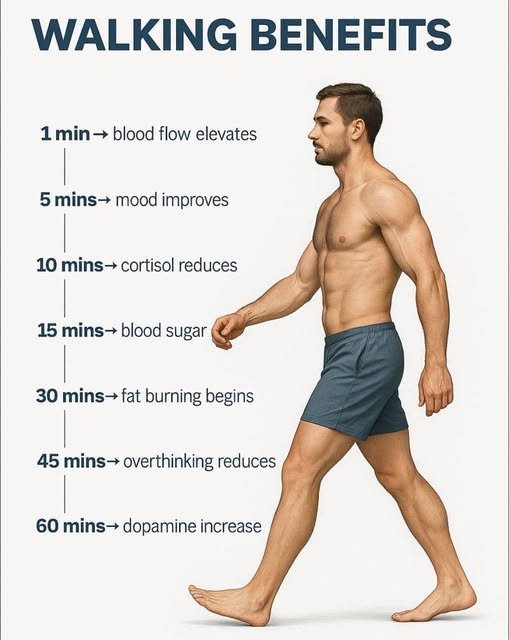
Walking is one of the simplest and most effective forms of exercise. It requires no special equipment, can be done almost anywhere, and provides benefits for your physical, mental, and emotional well-being.
Physical Health Benefits
1. Improves Heart Health
Regular walking strengthens the heart and improves blood circulation. It can:
- Lower blood pressure
- Reduce bad cholesterol (LDL)
- Increase good cholesterol (HDL)
- Reduce the risk of heart disease and stroke
2. Helps with Weight Management
Walking burns calories and can help:
- Lose excess body weight
- Prevent weight gain
- Increase metabolism
- Reduce body fat when combined with a healthy diet
A brisk 30-minute walk can burn approximately 100–200 calories, depending on your weight and walking speed.
3. Strengthens Muscles and Bones
Walking works several muscle groups, including:
- Legs
- Hips
- Core
- Lower back
It also helps maintain bone density, reducing the risk of osteoporosis and fractures as you age.
4. Improves Joint Health
Walking keeps joints lubricated and strengthens the muscles around them. It may:
- Reduce stiffness
- Ease arthritis symptoms
- Improve flexibility
- Increase range of motion
5. Reduces Risk of Chronic Diseases
Regular walking is associated with a lower risk of:
- Type 2 diabetes
- High blood pressure
- Heart disease
- Obesity
- Some types of cancer
Walking also helps improve blood sugar control, especially after meals.
Mental Health Benefits
1. Reduces Stress
Walking lowers stress hormones such as cortisol while promoting relaxation. Even a short walk can help you feel calmer.
2. Improves Mood
Physical activity triggers the release of endorphins, which are natural “feel-good” chemicals. Walking can help reduce symptoms of:
- Anxiety
- Depression
- Mood swings
3. Boosts Brain Function
Walking increases blood flow to the brain, which may improve:
- Memory
- Concentration
- Creativity
- Learning ability
Regular physical activity is also linked to a lower risk of cognitive decline later in life.
4. Improves Sleep
People who walk regularly often experience:
- Better sleep quality
- Falling asleep more easily
- Feeling more rested upon waking
Fitness Benefits
Walking helps improve:
- Stamina
- Endurance
- Balance
- Coordination
- Overall fitness
Walking uphill or at a brisk pace provides a greater cardiovascular workout.
Benefits for Older Adults
Walking can:
- Reduce the risk of falls by improving balance
- Maintain independence
- Preserve muscle strength
- Support healthy aging
Immune System Benefits
Regular moderate exercise such as walking may:
- Strengthen the immune system
- Reduce inflammation
- Help the body fight common illnesses more effectively
Digestive Benefits
Walking after meals may:
- Improve digestion
- Reduce bloating
- Help regulate blood sugar
- Support healthy bowel function
Social Benefits
Walking can also be a social activity. Walking with family, friends, or a group can:
- Increase motivation
- Reduce feelings of loneliness
- Build stronger relationships
Recommended Amount
For most adults, health experts recommend:
- At least 150 minutes of moderate-intensity physical activity per week, such as brisk walking.
- This can be achieved by walking 30 minutes a day, 5 days a week.
- If you’re just getting started, even 10-minute walks throughout the day can provide meaningful health benefits.
Tips to Get the Most from Walking
- Wear comfortable, supportive shoes.
- Maintain good posture with your head up and shoulders relaxed.
- Swing your arms naturally.
- Walk at a pace that raises your heart rate while still allowing you to hold a conversation.
- Stay hydrated, especially in warm weather.
- Gradually increase your distance or speed over time.
Summary
Walking is a low-impact, accessible exercise that benefits nearly every part of the body. Regular walking can:
- Improve heart health
- Help manage weight
- Strengthen muscles and bones
- Support joint health
- Lower the risk of chronic diseases
- Reduce stress and improve mood
- Boost memory and brain function
- Improve sleep
- Increase energy and endurance
- Enhance balance and mobility
- Support healthy aging and overall quality of life
Even small increases in daily walking can lead to meaningful improvements in health over time. Consistency is more important than intensity, so making walking a regular habit can provide lasting benefits.