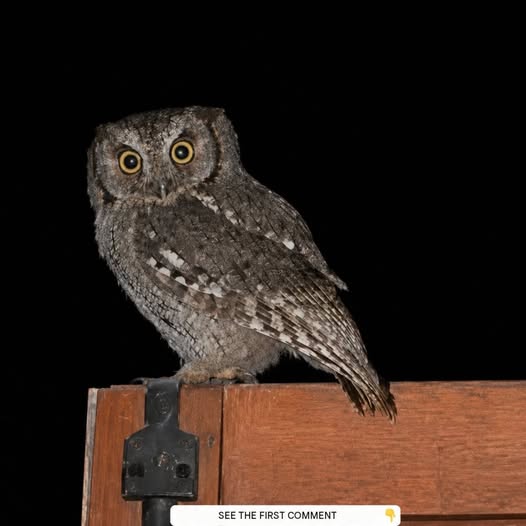
If you mean “How can I tell whether owls are around my house?”, yes—there are several signs you can look for. 🦉
Signs an owl may be nearby
-
Hooting at night: Different owl species have different calls. You may hear repeated hoots, whistles, screeches, or unusual calls after sunset.
-
Pellets: Owls cough up compact pellets containing undigested bones, fur, and feathers. Finding these under a tree, roof edge, or other perch can be a strong clue.
-
White droppings: Owls can leave pale droppings beneath favorite perches.
-
Feathers: Finding owl feathers around a yard or beneath a regular perch can indicate an owl is using the area.
-
Sudden rodent activity changes: Owls often hunt mice, rats, voles, and other small animals. A yard with abundant prey can attract them.
-
Seeing one at dusk or dawn: Owls are generally most active around sunset, nighttime, and sunrise, although some species hunt during the day.
-
Repeated use of the same tree or structure: An owl may regularly return to a particular tree, chimney area, barn, or other elevated location.
How to check safely
At dusk, listen from your yard for 15–30 minutes without making much noise. Look toward large trees, rooftops, utility structures, and wooded edges, but don’t approach an owl or a nest. A flashlight can disturb them, so avoid shining it directly at them.
If you tell me what you’ve seen or heard around your house—for example, a particular hoot, feathers, pellets, or an owl sighting—I can help you figure out whether it was likely an owl and possibly identify the species.