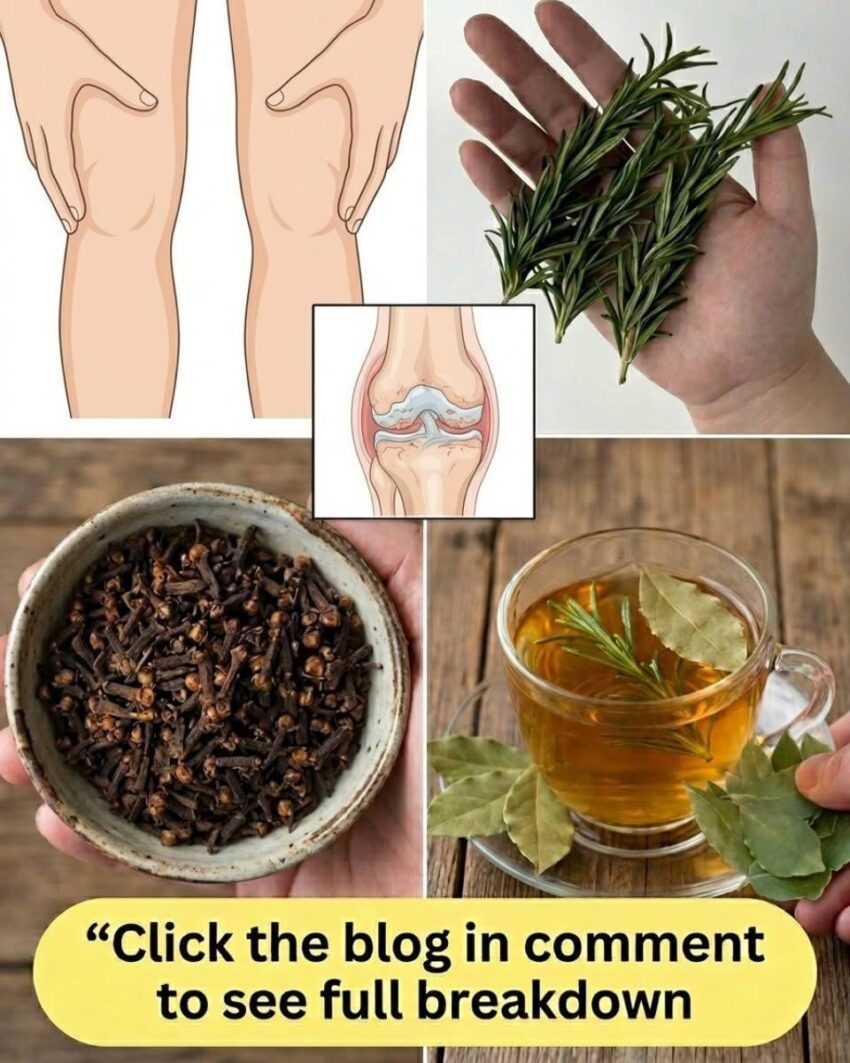
Clove, rosemary, and bay leaf: combinations, traditional uses, and herbal infusion recipes
Clove, rosemary, and bay leaf are three aromatic herbs and spices that have long histories in traditional cooking and household herbal preparations. When combined, they create a fragrant infusion with a warm, slightly spicy, earthy, and refreshing flavor.
Each ingredient contributes a different character:
-
Clove: Warm, sweet, spicy, and strongly aromatic.
-
Rosemary: Fresh, woody, slightly pine-like, and herbal.
-
Bay leaf: Mildly bitter, earthy, and subtly floral.
Together, they make a balanced herbal infusion traditionally enjoyed after meals, during cold weather, or as a comforting caffeine-free drink.


1. Understanding the three ingredients
A. Cloves (Syzygium aromaticum)

Cloves are dried flower buds from an evergreen tree. They contain aromatic compounds, particularly eugenol, which gives them their distinctive warm fragrance.
Traditional uses:
-
Used in warming herbal drinks.
-
Traditionally associated with digestive comfort.
-
Used in traditional preparations for oral freshness.
-
Adds a warming sensation and spicy flavor.
Cloves also contain antioxidant compounds in laboratory studies. However, laboratory antioxidant activity does not establish that drinking clove tea prevents or treats diseases.
B. Rosemary (Salvia rosmarinus)

Rosemary is an aromatic evergreen herb commonly used in Mediterranean cooking and traditional herbal practices.
Traditional uses:
-
Used in herbal preparations for digestive comfort.
-
Traditionally associated with mental alertness and clarity.
-
Adds a refreshing herbal aroma.
-
Used in warming seasonal infusions.
Rosemary contains compounds such as rosmarinic acid, carnosic acid, and carnosol. These have been studied for antioxidant and other biological properties, but the results do not prove that rosemary infusions produce the same effects in humans.
C. Bay leaf (Laurus nobilis)

Bay leaves come from the Mediterranean bay laurel tree and are widely used in soups, stews, and traditional household preparations.
Traditional uses:
-
Used in aromatic digestive infusions.
-
Traditionally included in warming herbal drinks.
-
Adds an earthy, slightly bitter flavor.
-
Complements strong spices such as cloves.
Bay leaves contain aromatic oils and plant compounds, including cineole and other terpenes. Their presence in traditional remedies does not establish clinical effectiveness.
2. Why combine these three ingredients?
The combination is interesting because the ingredients have complementary aromatic characteristics.
The three-herb combination

Clove
Warm and spicy

Rosemary
Fresh and woody

Bay leaf
Earthy and aromatic
What each contributes
-
Clove provides warmth and intensity.
-
Rosemary provides freshness and herbal depth.
-
Bay leaf provides a mellow, earthy background.
The result is a complex aromatic drink without the need for sugar or artificial flavoring.
3. Traditional wellness uses of the combination
The three ingredients are sometimes brought together in traditional household recipes for the following purposes.
|
Traditional purpose |
Contribution of the ingredients |
|---|---|
|
Digestive comfort |
Aromatic clove, rosemary, and bay |
|
After-meal drink |
Warm, spicy, herbal flavor |
|
Seasonal comfort |
Warming aroma of clove and rosemary |
|
Refreshing herbal drink |
Rosemary’s fresh scent and bay’s earthy notes |
|
Antioxidant interest |
Plant compounds found in all three ingredients |
It is important to distinguish traditional use from established medical benefits. There is not enough clinical research on this exact three-ingredient combination to establish that it detoxifies the body, treats infections, burns fat, controls blood pressure, or cures digestive disorders.
Rosemary has recognized traditional herbal uses for mild digestive complaints, but the European Medicines Agency notes that these uses are based on longstanding traditional use rather than sufficient clinical trial evidence.
4. Three homemade infusion recipes
Here are three ways to prepare the combination, depending on the flavor and strength you prefer.
Recipe 1: Basic clove, rosemary, and bay leaf tea
Gentle starting recipe
Ingredients (one cup)
-
1 cup (250 ml) water
-
1 whole clove
-
1 small fresh rosemary sprig (about 2–3 inches)
-
1 small dried bay leaf
-
Optional: a little honey or lemon
Preparation
-
Bring the water to a boil.
-
Turn off the heat.
-
Add the clove, rosemary, and bay leaf.
-
Cover the container.
-
Allow the ingredients to steep for 5–7 minutes.
-
Strain thoroughly.
-
Allow the drink to cool to a comfortable temperature.
Flavor: Mildly spicy, woody, earthy, and aromatic.
Recipe 2: Stronger aromatic herbal infusion

Ingredients
-
2 cups water
-
2 whole cloves
-
1 small rosemary sprig
-
1 small dried bay leaf
-
1 thin slice of fresh ginger (optional)
Preparation
-
Heat the water until it begins to boil.
-
Add the cloves and bay leaf.
-
Reduce the heat and simmer gently for 2 minutes.
-
Turn off the heat.
-
Add rosemary and ginger.
-
Cover and steep for another 5 minutes.
-
Strain and serve.
Flavor: More pronounced spice, with a noticeable herbal fragrance.
This is a stronger-tasting recipe, not a medically stronger treatment.
Recipe 3: Clove, rosemary, bay leaf, and lemon infusion

Ingredients
-
1 cup water
-
1 whole clove
-
1 small rosemary sprig
-
Half a small bay leaf
-
1 thin lemon slice
-
Optional: ½ teaspoon honey
Preparation
-
Boil the water.
-
Add the clove, rosemary, and bay leaf.
-
Cover for 5 minutes.
-
Strain the infusion.
-
Add lemon and honey after straining.
Flavor: Light, citrusy, refreshing, and gently spicy.
This is a particularly pleasant variation if you find the basic combination too earthy.
5. How to adjust the proportions
The proportions determine the taste more than anything else.
|
Ingredient |
Mild combination |
More pronounced flavor |
|---|---|---|
|
Cloves |
1 |
2 |
|
Rosemary |
Small sprig |
Medium sprig |
|
Bay leaf |
½ leaf |
1 leaf |
|
Water |
250 ml |
250–500 ml |
For a first preparation, I recommend starting with one clove, a small rosemary sprig, and half a bay leaf per cup.
Do not assume that increasing the quantity increases the health benefits.
6. Best time to enjoy the infusion
There is no scientifically established ideal time to drink this particular combination.
However, based on its traditional culinary uses:
-
After meals: A small cup can be enjoyed as an aromatic, warm beverage.
-
During cold weather: Its warming flavor makes it suitable as a seasonal drink.
-
During the afternoon: It can serve as a caffeine-free alternative to ordinary tea.
-
In the evening: It can be enjoyed as a warm herbal beverage, although it is not established as a sleep aid.
7. Important precautions and possible side effects
Natural ingredients can still have biological effects. More concentrated preparations are not necessarily safer or more beneficial.
|
Ingredient |
Important consideration |
|---|---|
|
Cloves |
Concentrated clove oil can cause serious toxicity, particularly in children. |
|
Rosemary |
Medicinal preparations should be avoided during pregnancy and breastfeeding according to EMA guidance. |
|
Bay leaf |
Use culinary bay leaves, strain them out, and never swallow whole leaves. |
Take additional care if:
-
You take blood-thinning medication, aspirin, or medication affecting blood clotting. Clove’s eugenol may affect clotting.
-
You have a bleeding disorder or are preparing for surgery.
-
You have diabetes and take glucose-lowering medication.
-
You are pregnant or breastfeeding.
-
You have gallstones, bile duct obstruction, or liver disease. Rosemary medicinal preparations are not recommended in these circumstances.
-
You have allergies or sensitivities to any of these plants.
Do not add clove essential oil, rosemary essential oil, or bay essential oil to a homemade drink. Essential oils are highly concentrated and are not interchangeable with culinary herbs.
8. What does scientific research actually tell us?
It is useful to separate the known plant chemistry from claims about health benefits.
|
Ingredient |
Notable compounds |
Research interest |
|---|---|---|
|
Clove |
Eugenol |
Antioxidant activity and biological effects |
|
Rosemary |
Rosmarinic acid, carnosic acid |
Antioxidant and anti-inflammatory properties |
|
Bay leaf |
Cineole and other aromatic compounds |
Plant chemistry and potential biological activities |
Much of the research involves isolated compounds, laboratory experiments, or animal studies. These findings cannot automatically be translated into health benefits from drinking a cup of tea.
For further reading:
9. My recommended everyday recipe
For a simple, aromatic preparation, I would start with this combination:

Three-ingredient herbal infusion
Simple culinary preparation
Ingredients
-
250 ml drinking water
-
1 whole clove
-
1 small rosemary sprig
-
½ small dried bay leaf
Method
-
Boil the water.
-
Switch off the heat.
-
Add all three ingredients.
-
Cover for 5–7 minutes.
-
Strain completely and enjoy warm.
Preparation time
Approximately 8 minutes
Caffeine
Naturally caffeine-free
Flavor
Warm, woody, aromatic
The best approach is to enjoy this combination as a culinary herbal beverage rather than as a detoxification or disease-treatment remedy.
10. Exploring the combination further
There are several interesting directions in which you can explore these ingredients, particularly their traditional uses and nutritional properties.
I can also explain how the combination is traditionally used in digestive wellness recipes, respiratory comfort preparations, and antioxidant-focused herbal drinks, while distinguishing traditional claims from scientifically