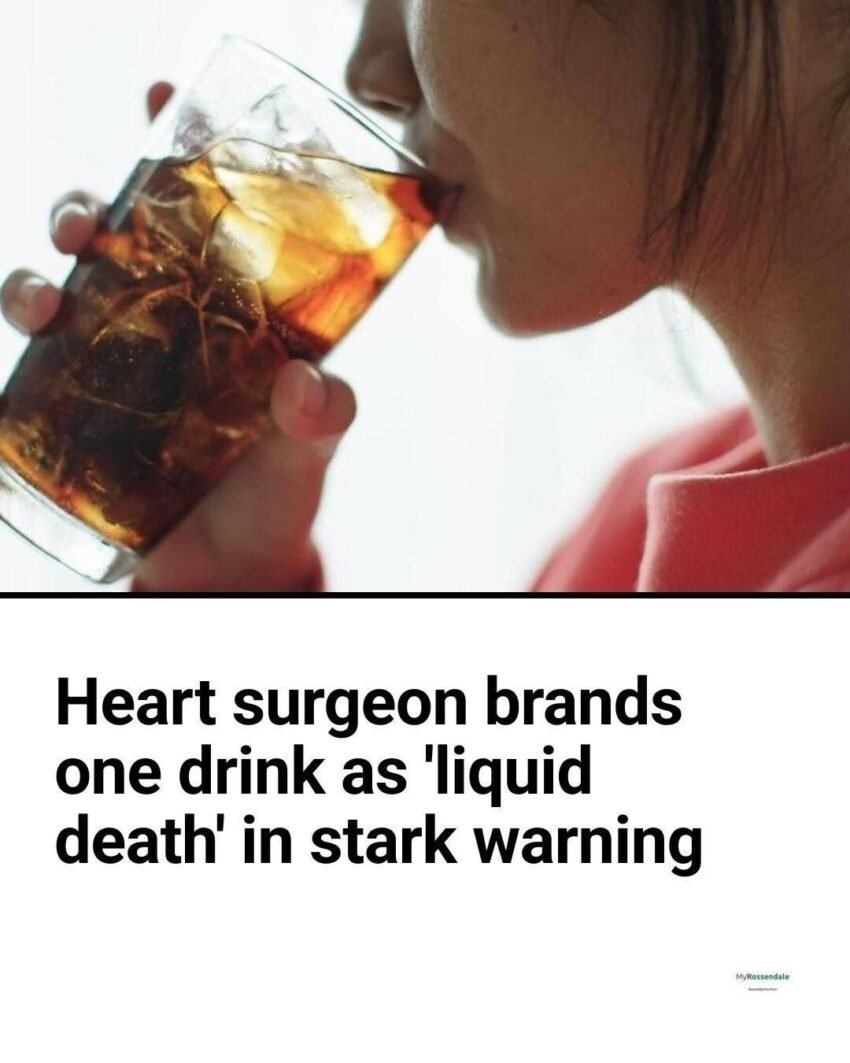
It sounds like you’re asking for a detailed explanation of a warning from a heart surgeon about drinks that may increase cardiovascular risk. Since you didn’t mention the specific surgeon or article, I’ll summarize the types of drinks that cardiovascular specialists commonly warn about and why they may affect heart health.
Drinks that can increase cardiovascular risk
1. Sugar-sweetened beverages (soft drinks, sodas, energy drinks, sweetened juices)
Many heart specialists warn that regularly consuming drinks high in added sugar can increase the risk of:
- Obesity and weight gain: Liquid calories are easy to consume in large amounts and often do not create the same feeling of fullness as solid food.
- Type 2 diabetes: High sugar intake can contribute to insulin resistance, which is a major risk factor for heart disease.
- High triglycerides: Excess sugar, especially fructose, can raise blood triglyceride levels, increasing the risk of artery disease.
- Inflammation: Chronic high sugar intake may promote inflammation linked to atherosclerosis (hardening of arteries).
Large observational studies have associated frequent intake of sugary drinks with higher risks of heart attacks, stroke, and cardiovascular death.
2. Energy drinks
Cardiologists often express concern about energy drinks because they may contain:
- High caffeine levels
- Added stimulants (such as taurine or herbal stimulants)
- Large amounts of sugar
Potential cardiovascular effects include:
- Increased heart rate
- Raised blood pressure
- Heart rhythm disturbances (arrhythmias)
- Palpitations
- Increased stress on the heart, particularly in people with existing heart disease
People with high blood pressure, abnormal heart rhythms, or a history of heart problems are often advised to be cautious with these beverages.
3. Alcoholic drinks
Although some older research suggested small amounts of alcohol might have heart benefits, newer evidence has challenged the idea that alcohol is protective.
Regular or heavy alcohol consumption can contribute to:
- High blood pressure
- Cardiomyopathy (weakening of the heart muscle)
- Irregular heart rhythms, especially atrial fibrillation
- Increased triglycerides
- Stroke risk
- Weight gain
The cardiovascular risk generally increases with higher alcohol intake.
4. Highly processed sweet drinks marketed as “healthy”
Some drinks appear healthy but may contain significant sugar, including:
- Bottled smoothies
- Flavored coffees
- Sweetened teas
- Some sports drinks
- Vitamin drinks with added sugars
A product labeled “natural” does not necessarily mean it is low in sugar or heart-friendly.
5. Excessive caffeinated beverages
Moderate caffeine intake is tolerated by most healthy adults, but excessive intake may cause:
- Increased blood pressure temporarily
- Anxiety and stress responses
- Sleep disruption (which indirectly affects heart health)
- Palpitations in sensitive individuals
The effect depends on the person’s health, genetics, medications, and amount consumed.
Drinks generally considered better choices for heart health
- Water (best everyday choice)
- Unsweetened tea (green or black tea can provide beneficial plant compounds)
- Coffee without excessive sugar or high-calorie additives (for many healthy adults)
- Low-fat milk or unsweetened dairy alternatives, depending on dietary needs
Warning signs that require medical attention
After consuming a drink, seek medical advice if you experience:
- Chest pain or pressure
- Severe shortness of breath
- Fainting
- Persistent racing or irregular heartbeat
- New unexplained dizziness
If you mean a specific heart surgeon’s warning (for example, a recent news article or a particular drink he/she named), share the surgeon’s name or the drink mentioned, and I can explain that warning in deta