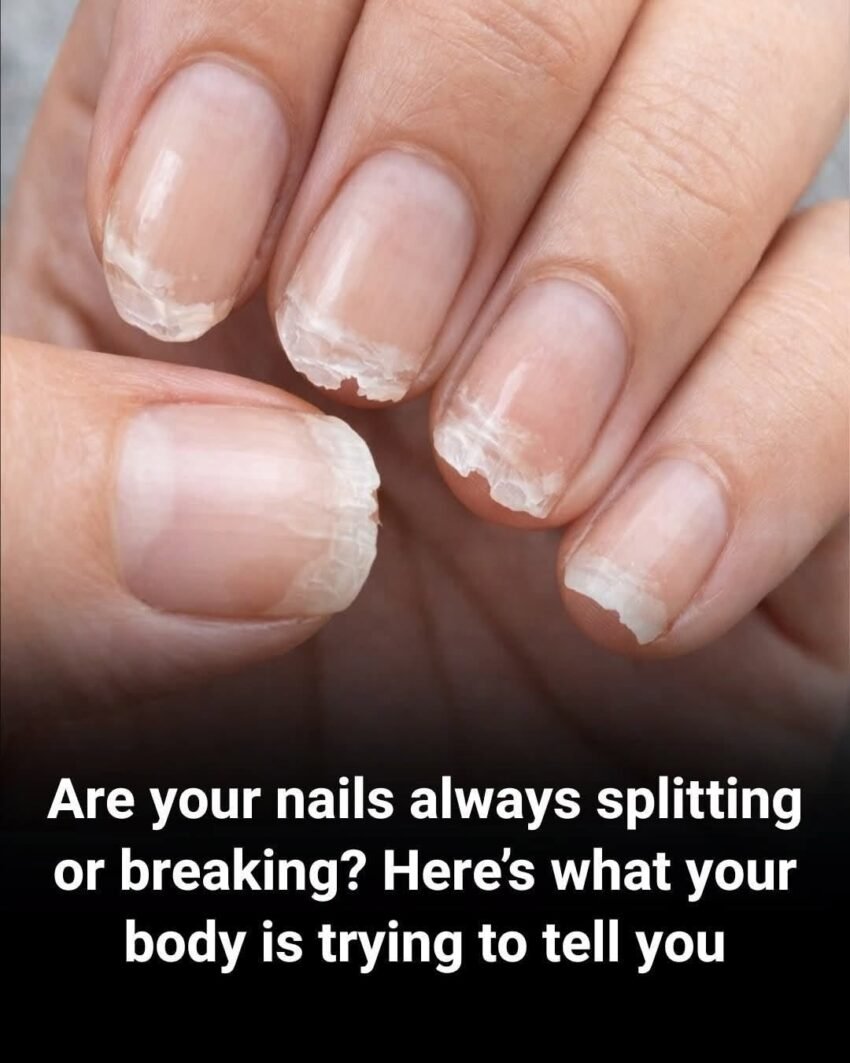
Brittle, weak, or easily breaking nails can sometimes be a sign that something is affecting the nail structure, nutrition, hormones, general health, or daily habits. Nails are made mostly of a protein called keratin, and changes in their strength or appearance can provide clues about your body’s condition.
Common causes of brittle or weak nails
1. Nutritional deficiencies
Certain nutrients are important for strong nails:
- Iron deficiency (iron-deficiency anemia)
- Nails may become thin, weak, pale, or develop a spoon-like shape (koilonychia).
- Other symptoms may include tiredness, dizziness, shortness of breath, or pale skin.
- Protein deficiency
- Since nails are made of keratin, inadequate protein intake may contribute to slow growth and weakness.
- Biotin (Vitamin B7) deficiency
- Can cause brittle nails, splitting, and poor nail strength (true deficiency is uncommon).
- Zinc deficiency
- May cause slow nail growth, white spots, ridges, or changes around the nails.
- Vitamin B12 or folate deficiency
- May affect nail health along with fatigue or other symptoms.
- Vitamin D deficiency
- May be associated with changes in nail quality in some people.
2. Frequent exposure to water and chemicals
Very common causes include:
- Washing hands repeatedly
- Long exposure to water (dishwashing, cleaning)
- Strong soaps and detergents
- Nail polish removers containing acetone
- Frequent use of gel or acrylic nails
- Harsh nail treatments
Water makes nails swell and shrink repeatedly, which can weaken the nail layers and cause splitting.
3. Thyroid problems
Both an underactive and overactive thyroid can affect nails.
Hypothyroidism (low thyroid):
- Brittle, slow-growing nails
- Dry skin
- Hair thinning
- Feeling cold
- Weight gain
- Fatigue
Hyperthyroidism (high thyroid):
- Fragile nails
- Nail lifting from the nail bed
- Weight loss
- Fast heartbeat
- Anxiety or sweating
4. Aging
As people age:
- Nails grow more slowly
- They become thinner and drier
- Splitting and ridging become more common
5. Fungal nail infection
Possible signs:
- Thickened nails
- Yellow or brown discoloration
- Crumbling edges
- Nail lifting from the skin
- Bad smell sometimes
6. Skin conditions
Conditions such as:
- Psoriasis
- Eczema
- Lichen planus
can affect nails and cause:
- Pitting (small dents)
- Splitting
- Thickening
- Changes in color or shape
7. Medical conditions that may affect nails
Brittle nails can occasionally be associated with:
- Diabetes
- Poor circulation
- Chronic illness
- Autoimmune diseases
- Hormonal changes
8. Nail habits and physical damage
Weak nails can result from:
- Nail biting
- Picking at nail polish
- Using nails as tools
- Aggressive filing
- Trauma to the nail
What you can do to improve weak nails
- Keep nails short and gently filed.
- Use a moisturizer or nail oil regularly (especially after washing hands).
- Wear gloves when using detergents or cleaning products.
- Avoid frequent acetone-based removers and harsh nail treatments.
- Eat enough protein (eggs, fish, meat, dairy, beans, lentils, nuts).
- Include iron-rich foods (meat, spinach, lentils, beans).
- Avoid taking high-dose supplements unless a deficiency is confirmed.
When to see a doctor
Consider medical advice if:
- Nail changes are sudden or severe.
- Several nails are affected without an obvious cause.
- Nails are spoon-shaped, severely ridged, or separating from the nail bed.
- You also have symptoms like extreme tiredness, weight changes, hair loss, unexplained bruising, or skin changes.
A doctor may check tests such as complete blood count (CBC), iron/ferritin levels, thyroid function tests, vitamin levels, or other tests depending on symptoms.