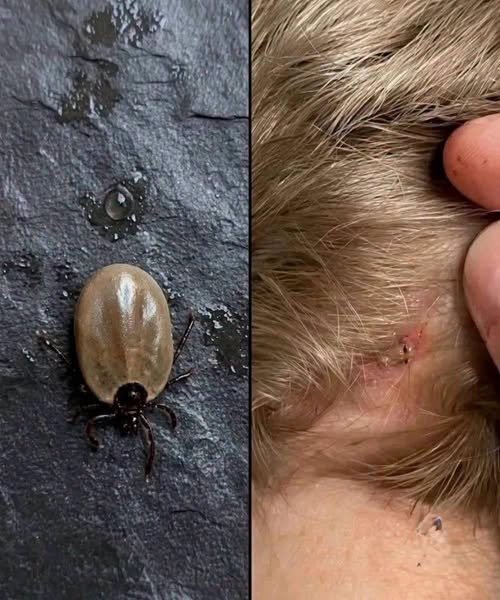
If you mean “tick dangerous” (tick insects that bite humans and animals), here is detailed information:
What are ticks?
Ticks are small blood-feeding parasites related to spiders. They attach themselves to the skin of humans, dogs, livestock, and wild animals to feed on blood. Some ticks can transmit serious diseases.
Why are ticks dangerous?
Ticks are dangerous because their bites can spread bacteria, viruses, and parasites. A tick bite is often painless, so people may not notice they have been bitten.
Diseases caused by ticks
- Lyme disease
- Caused by Borrelia bacteria.
- Common symptoms:
- Expanding red “bull’s-eye” rash
- Fever and tiredness
- Headache
- Joint pain
- If untreated, it may affect the joints, heart, or nervous system.
- Tick-borne encephalitis (TBE)
- A viral infection affecting the brain.
- Symptoms may include:
- Fever
- Severe headache
- Stiff neck
- Confusion
- Seizures in severe cases
- Rocky Mountain spotted fever
- Caused by bacteria.
- Symptoms:
- Fever
- Rash
- Muscle pain
- Headache
- Can become life-threatening without treatment.
- Babesiosis
- A parasite infection of red blood cells.
- May cause:
- Fever
- Chills
- Weakness
- Anemia
How ticks spread disease
- A tick attaches to skin.
- It feeds on blood.
- If the tick carries germs, they can enter the person or animal during feeding.
- The risk often increases the longer the tick remains attached.
Where ticks live
Ticks are commonly found in:
- Tall grass
- Forests and bushes
- Gardens
- Areas with wild animals
- Animal bedding and farms
Tick bite symptoms
Possible signs include:
- Small red spot or swelling
- Itching or irritation
- Rash
- Fever or flu-like symptoms
- Swollen lymph nodes
How to remove a tick safely
- Use fine-tipped tweezers.
- Grab the tick close to the skin.
- Pull upward slowly and steadily.
- Clean the bite area with soap and water.
- Do not burn the tick or apply chemicals while it is attached.
How to prevent tick bites
- Wear long sleeves and long trousers in tick areas.
- Use insect repellents.
- Check your body after outdoor activities.
- Check pets for ticks.
- Keep grass and bushes trimmed.
- Wash outdoor clothes and dry them on high heat if possible.
When to seek medical help
Contact a healthcare professional if:
- The tick was attached for a long time.
- You develop fever, rash, severe headache, or unusual tiredness after a tick bite.
- The bite area becomes very swollen or infected.
- You cannot remove the tick completely.
Ticks are small, but some species can cause serious illness. Early removal and attention to symptoms greatly reduce risks.