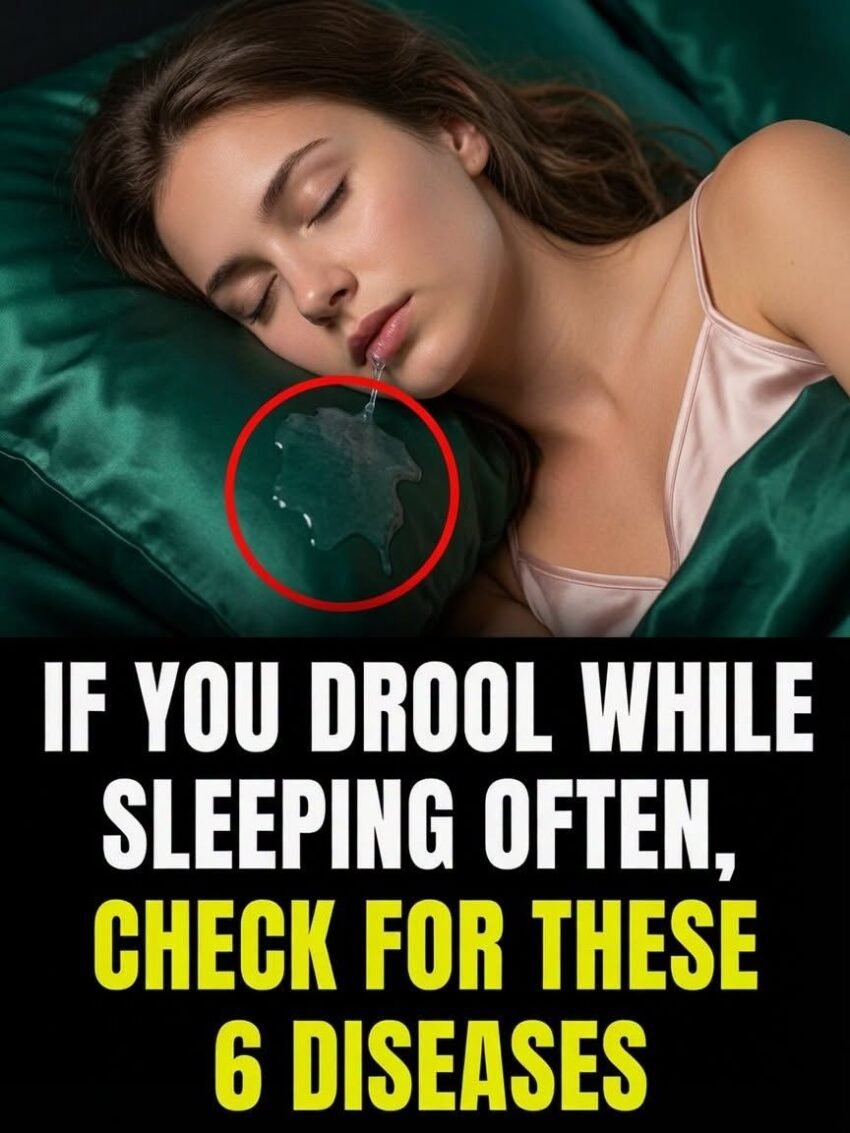
Here are 6 health conditions that can be associated with frequent drooling during sleep:
1. Sleep Apnea (Obstructive Sleep Apnea)
What it is:
Sleep apnea is a condition where breathing repeatedly stops and starts during sleep because the airway becomes blocked or narrowed.
How it can cause drooling:
- People with sleep apnea often breathe through their mouth while sleeping.
- Mouth breathing can make it harder to control saliva.
- Poor sleep posture and airway obstruction may increase saliva pooling.
Other warning signs:
- Loud snoring
- Gasping or choking during sleep
- Waking up with a dry mouth
- Morning headaches
- Daytime tiredness
- Difficulty concentrating
Why it matters:
Untreated sleep apnea can increase the risk of high blood pressure, heart disease, stroke, and metabolic problems.
2. Gastroesophageal Reflux Disease (GERD)
What it is:
GERD occurs when stomach acid flows back into the esophagus (the food pipe).
How it can cause drooling:
- Acid irritation can trigger the body to produce extra saliva, a response known as water brash.
- Excess saliva helps neutralize stomach acid.
- Reflux symptoms may become worse when lying down at night.
Other warning signs:
- Heartburn, especially at night
- Sour taste in the mouth
- Chest discomfort
- Frequent throat clearing
- Hoarseness
- Cough at night
Helpful measures:
- Avoid heavy meals close to bedtime.
- Reduce foods that trigger reflux.
- Elevate the head slightly while sleeping if advised by a healthcare professional.
3. Neurological Disorders (Conditions Affecting the Brain and Nerves)
What it is:
Certain neurological diseases can affect the muscles involved in swallowing and saliva control.
Examples include:
- Parkinson’s disease
- Amyotrophic lateral sclerosis
- Stroke-related conditions
How they can cause drooling:
- Reduced ability to swallow saliva normally
- Weakness of facial or throat muscles
- Reduced coordination of swallowing movements
Other warning signs:
- Tremors
- Muscle stiffness
- Difficulty speaking
- Changes in walking or balance
- Weakness on one side of the body (especially after a stroke)
Important:
Drooling alone does not mean someone has a neurological disorder. It is usually considered alongside other symptoms.
4. Nasal Congestion and Mouth Breathing
What it is:
Blocked nasal passages can force a person to breathe through their mouth during sleep.
Common causes:
- Allergies
- Sinus infections
- Enlarged tonsils or adenoids
- Nasal structural problems
How it causes drooling:
- An open mouth allows saliva to leak out more easily.
- Mouth breathing reduces normal saliva control.
Other signs:
- Stuffy nose
- Snoring
- Dry mouth after waking
- Frequent throat irritation
- Reduced sense of smell
5. Swallowing Problems (Dysphagia)
What it is:
Dysphagia means difficulty moving food, liquids, or saliva from the mouth to the throat.
How it causes drooling:
- Saliva may collect in the mouth if swallowing muscles are not working properly.
- During sleep, this can lead to saliva leaking out.
Possible causes:
- Nerve or muscle disorders
- Stroke
- Throat problems
- Certain injuries
Warning signs:
- Coughing while eating or drinking
- Feeling food stuck in the throat
- Choking episodes
- A wet or gurgly voice after swallowing
- Unexplained weight loss
6. Sleep Position and Sleep Disorders
What it is:
Sometimes drooling is related to the way a person sleeps rather than a disease.
How it happens:
- Sleeping on your side or stomach makes gravity pull saliva toward the mouth.
- Deep sleep reduces awareness and swallowing frequency.
- Certain sleep disorders may affect muscle control.
Signs it is likely harmless:
- Happens only occasionally
- No choking, breathing problems, or other symptoms
- Improves when changing sleep position
When Should You See a Doctor?
Consider medical advice if drooling is:
- New and happens suddenly
- Increasing over time
- Associated with choking or trouble swallowing
- Combined with loud snoring or breathing pauses
- Associated with weakness, facial changes, or speech problems
- Affecting daily life or causing embarrassment
Ways to Reduce Drooling During Sleep
Depending on the cause, helpful steps may include:
- Sleeping on your back instead of your stomach or side
- Treating nasal allergies or congestion
- Maintaining good sleep habits
- Managing acid reflux triggers
- Staying hydrated
- Seeking evaluation for possible sleep apnea if symptoms fit
Bottom line: Occasional drooling during sleep is usually normal. Frequent or heavy drooling can sometimes be a clue to issues such as sleep apnea, reflux, nasal blockage, swallowing difficulties, or neurological conditions—especially when other symptoms are present. A healthcare professional can help identify the underlying cause.