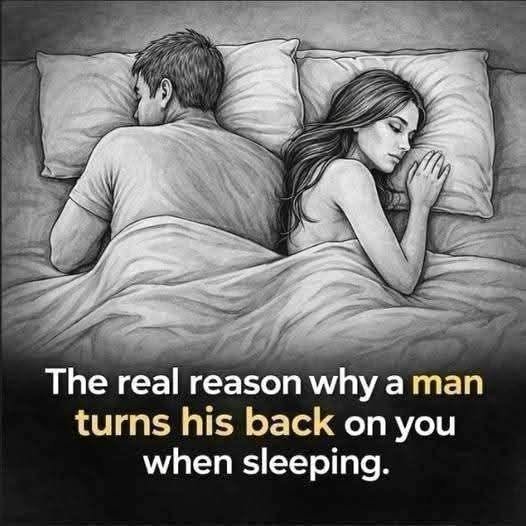
Here are some possible reasons:
1. They feel comfortable and secure
Many couples sleep with their backs facing each other while still feeling close. This position is sometimes called a “back-to-back” sleeping position. It can mean both people are relaxed enough to sleep naturally without needing constant physical contact.
2. They prefer their own sleeping space
Some people sleep better with more room, fewer movements, or less body heat. Turning away may simply be a way to get comfortable, especially if one person sleeps hot or moves a lot.
3. They have a different sleep habit
People often have a preferred sleeping direction or position developed over years. It may have nothing to do with their partner.
4. They may be tired, stressed, or emotionally occupied
Stress, work pressure, anxiety, or personal worries can make someone less physically affectionate during sleep. It does not automatically mean they are upset with you.
5. It could sometimes reflect emotional distance
If the change is sudden and comes with other signs — such as avoiding conversation, reduced affection, frequent irritation, or withdrawing emotionally — it may be worth having a calm conversation about how both of you are feeling.
6. The “turning away” myth
Some people believe that if a partner turns their back, it means they do not love you or are losing interest. This is not scientifically proven. A sleeping position alone cannot measure love, attraction, or commitment.
What matters more:
Look at the overall relationship, not one sleeping habit:
- Do they show care when awake?
- Do they communicate with you?
- Do they make time for you?
- Do you feel respected and valued?
If you are worried, a gentle question like:
“I noticed we’ve been sleeping back-to-back lately. Is everything okay between us?”
can open a conversation without creating blame.