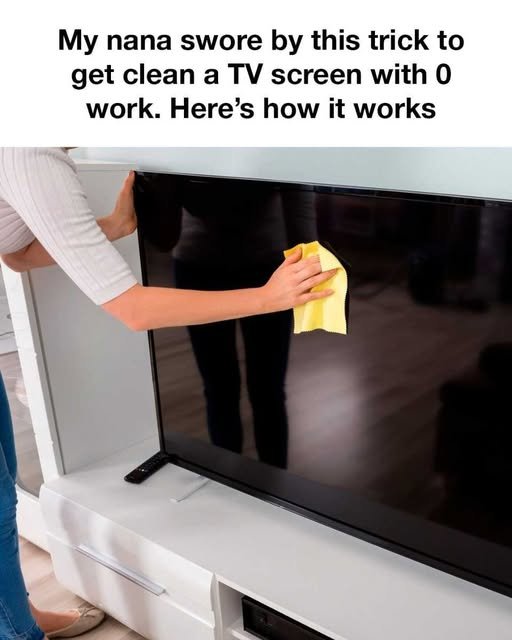
If you’re looking to expand that idea into a detailed explanation (for a blog, social media post, or article), here’s a polished version:
I’ve Spent a Lot on Commercial Cleaners, But This Simple Method Works Better and Costs Next to Nothing
For years, I bought all kinds of commercial cleaning products, hoping each new bottle would make cleaning easier or deliver better results. Some worked reasonably well, while others fell short of the promises on the label. Over time, I realized I had spent a significant amount of money on products that often contained harsh chemicals and still didn’t outperform a few simple household ingredients.
Eventually, I discovered that some of the most effective cleaning solutions are also the least expensive. With just a few common pantry items, I was able to clean many areas of my home just as well—or even better—than with many store-bought products.
The Simple Cleaning Method
One of the most popular homemade cleaning solutions combines:
- 1 cup white vinegar
- 1 cup warm water
- A few drops of dish soap (optional, for greasy surfaces)
Pour the mixture into a spray bottle, shake gently, and spray it onto the surface you want to clean. Let it sit for 2–5 minutes before wiping it away with a microfiber cloth.
Why It Works
White vinegar contains acetic acid, which helps dissolve mineral deposits, soap scum, and light grease. It can also help remove hard water stains and leave glass and mirrors streak-free.
Dish soap helps break down grease and oily residue, making it useful for kitchens and other high-touch surfaces.
Warm water helps distribute the ingredients evenly and makes wiping away dirt easier.
Where You Can Use It
This simple cleaner works well on many surfaces, including:
- Glass and mirrors
- Kitchen countertops (except natural stone)
- Bathroom sinks
- Shower doors
- Faucets and fixtures
- Stainless steel appliances
- Ceramic tile
Always test the solution on a small, inconspicuous area first, especially on painted or delicate surfaces.
Surfaces to Avoid
Do not use vinegar on:
- Natural stone such as marble, granite, or travertine
- Waxed wood
- Unsealed grout
- Cast iron
- Some electronic screens
The acid in vinegar can damage or dull these materials over time.
Benefits of This Method
- Costs only a fraction of most commercial cleaners.
- Uses ingredients that are easy to find.
- Reduces the number of cleaning products you need to buy.
- Produces less plastic waste from disposable bottles.
- Can be mixed in minutes whenever you need it.
Extra Tips
- For stubborn soap scum, let the solution sit for 10–15 minutes before scrubbing.
- Use a microfiber cloth instead of paper towels for a streak-free finish.
- Label your spray bottle clearly and keep it out of reach of children and pets.
- Never mix vinegar with bleach, as this creates hazardous chlorine gas.
Final Thoughts
Commercial cleaners certainly have their place, especially for disinfecting when required or for specialty cleaning tasks. However, for everyday household cleaning, this simple vinegar-and-water solution can be surprisingly effective while costing only a few cents per bottle. If you’re looking to save money, reduce clutter under the sink, and simplify your cleaning routine, this homemade cleaner is worth trying.
If you’d like, I can also adapt this into a YouTube script, blog post, or Facebook post.