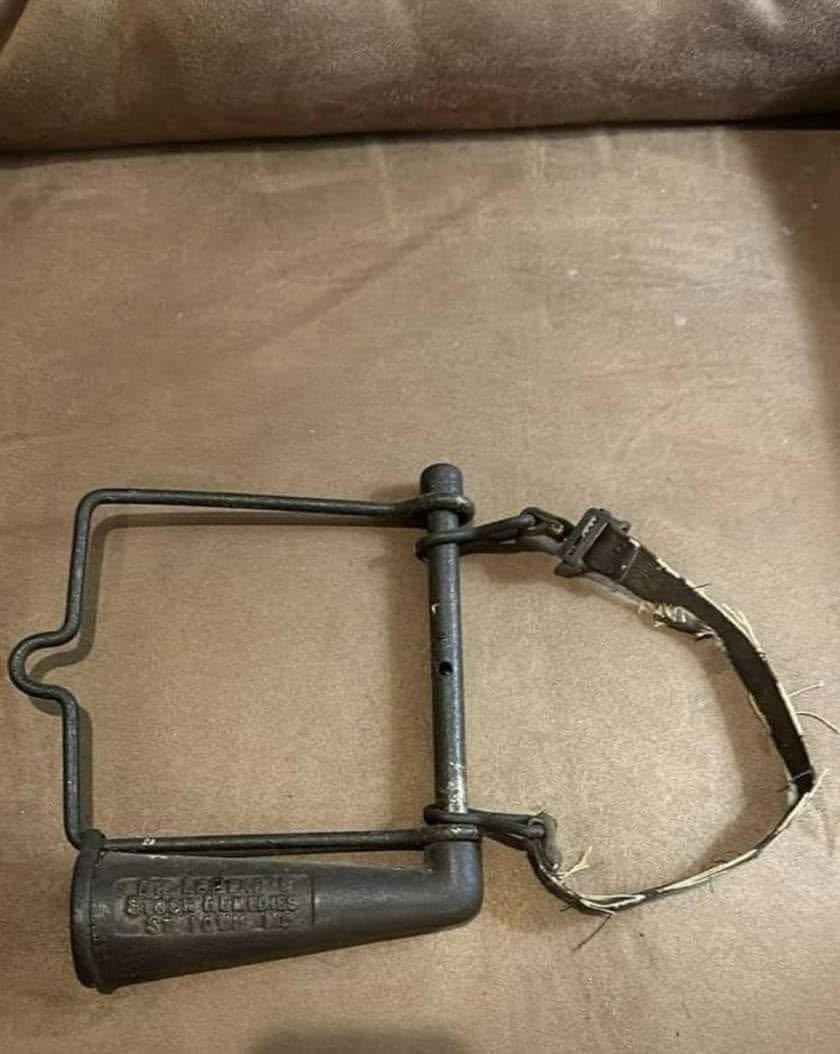
A gin trap is a type of mechanical animal trap that was historically used to catch mammals such as foxes, rabbits, rats, and other small to medium-sized animals. It is also known as a steel-jaw trap.
🔧 What it looks like and how it works
A gin trap usually consists of:
- Two metal jaws (toothed or smooth)
- A spring mechanism that forces the jaws shut
- A trigger plate or pressure pad in the center
- A chain to anchor it to the ground
⚙️ How it operates
- The trap is set in an open position and baited or placed on an animal path.
- When an animal steps on the trigger plate or pulls bait:
- The spring releases suddenly.
- The metal jaws snap shut on the animal’s leg.
This is designed to hold the animal in place until the trapper arrives.
🧠 Why it is called a “gin trap”
The word “gin” comes from “engine,” meaning a mechanical device. So a gin trap literally means a “mechanical trap.”
⚠️ Problems and criticism
Gin traps are controversial because they are considered inhumane:
- They often cause severe pain and injury
- Animals may suffer broken bones, torn skin, or amputations
- Non-target animals (pets or protected wildlife) can be accidentally caught
- Trapped animals may die from stress, exposure, or blood loss
Because of this, many countries have restricted or banned them.
🚫 Legal status
- Banned or heavily restricted in most of Europe (including the UK under modern wildlife laws)
- Replaced by more humane alternatives like:
- Cage traps (live capture)
- Foot-hold traps with padding or restrictions
- Electronic monitoring systems
🐾 Modern alternatives
Today, wildlife control and pest management generally prefer:
- Live-capture cage traps
- Relocation methods
- Non-lethal deterrents
🧾 Summary
A gin trap is an old-style spring-loaded steel jaw trap used to catch animals by the leg. It is now widely criticized for cruelty and is largely banned in many countries.
If you want, I can also show how gin traps were historically used in farming and hunting, or explain modern humane trapping methods in detail.