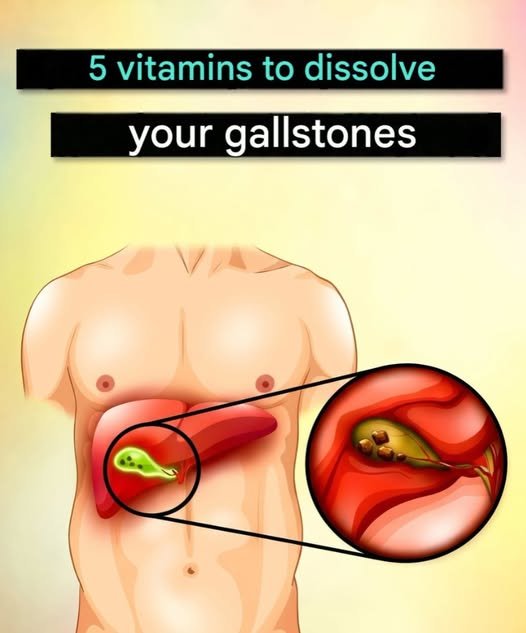
Pain under the ribs after eating a fatty meal is a common digestive complaint, and the gallbladder is one possible source. The gallbladder stores bile, a fluid made by the liver that helps digest fats. When you eat a high-fat meal, the gallbladder contracts to release bile into the intestine. If there are problems such as gallstones, inflammation, or poor bile flow, that contraction can trigger pain.
What gallbladder-related pain often feels like
Gallbladder pain (often called biliary pain) may include:
- Location: Usually under the right rib cage (right upper abdomen), sometimes spreading to the:
- Right shoulder
- Back (especially between the shoulder blades)
- Upper middle abdomen
- Timing: Often begins 30 minutes to a few hours after a fatty meal
- Duration: Can last from minutes to several hours
- Quality: May feel like:
- A steady ache
- Pressure or fullness
- Cramping
- Sharp pain
Other symptoms that can occur:
- Nausea or vomiting
- Bloating
- Indigestion
- Burping
- Feeling uncomfortable after rich foods
Natural ways to support gallbladder comfort and digestion
These approaches may help reduce digestive stress, though they do not dissolve gallstones or replace medical treatment when a gallbladder condition is present.
1. Reduce heavy fat intake (especially trigger foods)
The gallbladder works hardest when processing large amounts of fat. Try limiting:
- Fried foods
- Fast food
- Fatty cuts of meat
- Butter and cream-heavy dishes
- Large portions of cheese
- Rich desserts
Choose healthier fats in moderate amounts:
- Olive oil
- Nuts (small portions)
- Seeds
- Avocado
- Fatty fish such as salmon
The goal is usually not to eliminate all fat, because extremely low-fat diets can also affect normal bile flow.
2. Eat smaller, balanced meals
Large meals cause stronger gallbladder contractions. Instead:
- Eat smaller portions
- Avoid long periods of fasting followed by a large meal
- Include:
- Lean protein
- Vegetables
- Whole grains
- Moderate healthy fats
Example:
- Grilled chicken + vegetables + brown rice + a small amount of olive oil
instead of - Fried chicken + creamy sauce + fries
3. Increase fiber gradually
Fiber supports digestion and may help maintain healthy cholesterol levels in bile.
Good sources:
- Oats
- Beans and lentils
- Vegetables
- Fruits
- Whole grains
- Chia or flax seeds
Increase fiber slowly to avoid gas and bloating.
4. Stay hydrated
Water supports normal digestion and helps prevent constipation, which can worsen abdominal discomfort.
General tips:
- Drink water regularly throughout the day
- Limit excessive sugary drinks
- Moderate alcohol intake, especially if it triggers symptoms
5. Maintain a healthy weight (avoid rapid dieting)
Being overweight can increase the risk of gallstones, but rapid weight loss can also encourage gallstone formation.
A safer approach:
- Gradual weight loss if needed
- Regular physical activity
- Balanced meals
6. Try digestive-supportive foods
Some foods are commonly used to support digestion:
Ginger
- May help nausea and digestive discomfort.
Peppermint
- May soothe some digestive symptoms, although it can worsen reflux in some people.
Warm fluids
- Warm water or herbal teas may feel soothing after meals.
Bitter greens
- Foods like arugula, dandelion greens, and leafy vegetables are traditionally associated with digestive support, but evidence for gallbladder treatment is limited.
Be careful with “gallbladder cleanses”
You may see advice online about olive oil, lemon juice, or “gallstone flushes.” These methods have not been proven to remove gallstones. The green or stone-like material sometimes reported after cleanses is often believed to be a mixture of oil, bile, and digestive material rather than actual gallstones.
When to seek medical care
Get medical advice if you have repeated pain after fatty meals, because gallstones and other conditions can require evaluation.
Seek urgent care if you have:
- Severe or worsening abdominal pain
- Pain lasting more than several hours
- Fever or chills
- Yellow skin or eyes (jaundice)
- Dark urine or pale stools
- Persistent vomiting
- Chest pain or trouble breathing
A healthcare professional may evaluate symptoms with tests such as an abdominal ultrasound and blood tests.
Other causes of pain under the ribs after eating
Not all pain in this area is from the gallbladder. Possible causes include:
- Acid reflux or gastritis
- Stomach ulcers
- Irritable bowel syndrome
- Gas trapped in the intestine
- Liver-related issues
- Muscle strain
- Pancreas problems (especially if pain goes to the back)
If you describe:
- Which side the pain is on (right, left, or center)
- How long after eating it starts
- How long it lasts
- Your age and any nausea, fever, vomiting, or yellow eyes
I can help narrow down what is more likely.