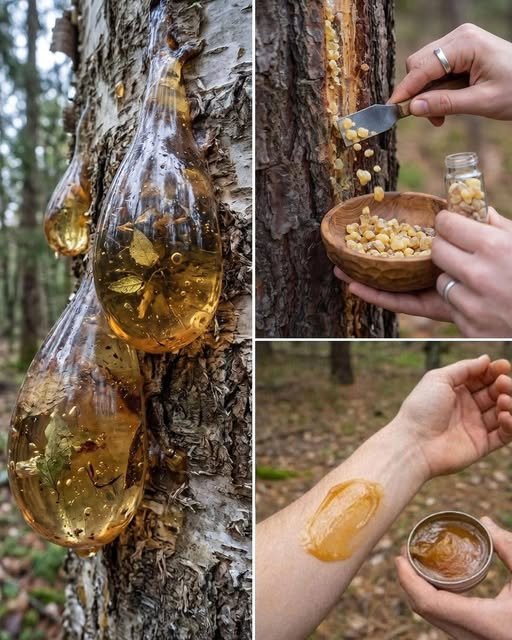
The Hidden Treasure of Nature: Resin Valued for Generations
Nature provides many valuable resources, and one of the most fascinating is natural resin. For thousands of years, people have collected resin from trees and used it for medicine, art, perfumes, religious ceremonies, and industry. Its unique properties have made it a treasured natural material across many civilizations.
What Is Natural Resin?
Natural resin is a sticky, organic substance produced by certain trees and plants. Trees release resin when their bark is damaged by insects, storms, or cuts. The resin acts like a protective seal, helping the tree heal while preventing bacteria, fungi, and insects from entering the wound.
Over time, fresh resin hardens into a solid, glossy material. In some cases, resin buried underground for millions of years fossilizes and becomes amber.
Trees That Produce Resin
Many tree species produce resin, including:
- Pine trees
- Fir trees
- Spruce trees
- Cedar trees
- Cypress trees
- Some tropical trees
Different trees produce resins with unique colors, fragrances, and chemical compositions.
History of Resin
Resin has been valued since ancient times.
Ancient Egypt
The Egyptians used resin during the mummification process because of its preservative and antibacterial properties. It was also burned as incense in temples.
Ancient Greece and Rome
Greeks and Romans used resin in medicine, perfumes, waterproofing ships, and making varnishes.
Middle East
Frankincense and myrrh were among the world’s most valuable resins. They were traded over long distances and often worth as much as precious metals.
Asia
Traditional medicine systems in India and China used different plant resins to treat wounds, digestive disorders, and inflammatory conditions.
Types of Natural Resin
1. Pine Resin
One of the most common resins, widely used for producing:
- Turpentine
- Rosin
- Adhesives
- Soap
- Paint
2. Frankincense
Obtained from Boswellia trees, frankincense has a pleasant aroma and has been used for centuries in incense, perfumes, and traditional medicine.
3. Myrrh
Collected from Commiphora trees, myrrh has been used in medicines, perfumes, and religious ceremonies.
4. Copal
A younger form of resin that has not fully fossilized. It is often used in jewelry and varnishes.
5. Amber
Amber is fossilized tree resin that formed millions of years ago. It is prized for jewelry and scientific research because it sometimes contains perfectly preserved insects or plant material.
Chemical Composition
Natural resin contains complex organic compounds, including:
- Terpenes
- Resin acids
- Essential oils
- Phenolic compounds
- Organic acids
These chemicals give resin its:
- Sticky texture
- Pleasant aroma
- Waterproof nature
- Antimicrobial properties
Traditional Uses
Medicine
Many cultures have used resin to:
- Help protect minor wounds from infection
- Soothe sore throats (certain edible resins only)
- Support oral hygiene
- Relieve mild inflammation in traditional practices
Modern research suggests some resins contain compounds with antimicrobial and anti-inflammatory activity, but their effectiveness and safety vary. They should not replace evidence-based medical treatment.
Incense
Resin has long been burned during:
- Religious ceremonies
- Meditation
- Cultural rituals
The aromatic smoke creates a pleasant fragrance and symbolic atmosphere.
Perfumes
Essential oils extracted from resin are used in luxury perfumes because they provide warm, woody scents and help fragrances last longer.
Art and Painting
Artists use resin in:
- Oil painting varnishes
- Protective coatings
- Wood finishing
- Traditional musical instrument finishes
Jewelry
Amber and polished resins are crafted into:
- Necklaces
- Bracelets
- Earrings
- Decorative carvings
Modern Industrial Uses
Today, resin is used in many industries, including:
- Paints
- Adhesives
- Printing inks
- Cosmetics
- Pharmaceuticals
- Food coatings (certain approved resins)
- Wood polish
- Violin bow rosin
- Waterproof coatings
Many products now use synthetic resins, but natural resins remain important for specialty applications.
Environmental Importance
Resin benefits trees by:
- Sealing damaged bark
- Preventing water loss
- Protecting against insects
- Limiting fungal infections
- Reducing bacterial invasion
Sustainably harvesting resin can also provide income for rural communities while allowing forests to remain standing, provided trees are tapped carefully and not overexploited.
Health Benefits
Some natural resins have been studied for properties such as:
- Antioxidant activity
- Antimicrobial effects
- Anti-inflammatory effects
However, evidence varies depending on the type of resin, and not all traditional claims have been confirmed in high-quality clinical studies. Some resins can also cause allergic reactions or skin irritation, and many are not safe to eat.
Economic Value
Natural resin contributes to the economies of many countries through:
- Export trade
- Handicrafts
- Perfume production
- Traditional medicine products
- Essential oils
- Forest-based livelihoods
Interesting Facts
- Amber can preserve insects that lived millions of years ago.
- Some resins remain sticky for months before hardening.
- Frankincense and myrrh were once among the most valuable trade goods in the ancient world.
- Resin has been used in musical instruments, particularly as rosin for violin, viola, cello, and double bass bows.
- Certain natural resins have distinctive aromas that vary by tree species.
Conclusion
Natural resin is truly one of nature’s hidden treasures. From protecting trees in forests to serving as incense, perfume, medicine, varnish, and jewelry, it has played an important role in human history for thousands of years. Its unique natural properties continue to make it valuable in both traditional practices and modern industries. Responsible harvesting and conservation help ensure that this remarkable resource remains available for future generations.