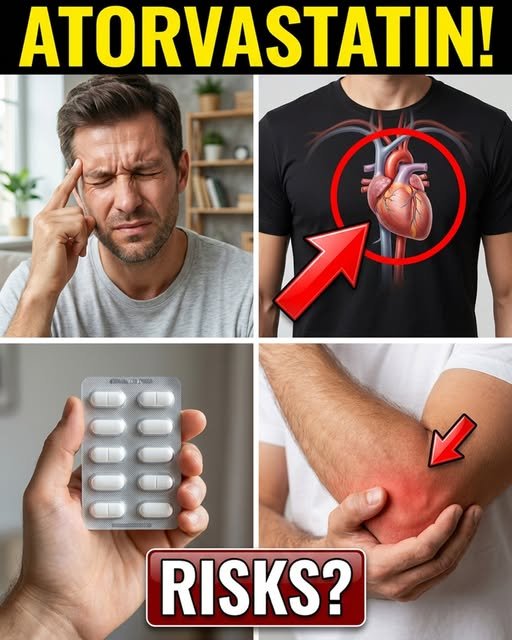
Atorvastatin is a prescription medication that belongs to a class of drugs called statins (HMG-CoA reductase inhibitors). It is one of the most commonly prescribed medicines worldwide because it effectively lowers cholesterol levels and reduces the risk of serious cardiovascular diseases such as heart attacks and strokes.
What Is Atorvastatin?
Atorvastatin works by blocking an enzyme in the liver called HMG-CoA reductase, which the body uses to produce cholesterol. By reducing cholesterol production, the liver removes more “bad” cholesterol from the bloodstream.
It is commonly sold under the brand name Lipitor, although many generic versions are also available.
Why Is Atorvastatin Commonly Prescribed?
Doctors prescribe atorvastatin for several important reasons:
1. Lower LDL (“Bad”) Cholesterol
LDL cholesterol can build up inside arteries and form plaque.
Benefits include:
- Reduces plaque buildup
- Improves blood flow
- Lowers risk of blocked arteries
2. Increase HDL (“Good”) Cholesterol
HDL helps carry excess cholesterol away from arteries and back to the liver for removal.
Higher HDL levels are generally associated with better heart health.
3. Lower Triglycerides
Triglycerides are another type of fat in the blood.
High triglycerides increase the risk of:
- Heart disease
- Stroke
- Pancreatitis (especially when very high)
4. Prevent Heart Attacks
Atorvastatin reduces the chance of:
- First heart attack
- Repeat heart attack
- Sudden cardiac death
5. Prevent Stroke
By reducing cholesterol buildup in arteries supplying the brain, atorvastatin lowers the risk of ischemic stroke.
6. Protect People with Diabetes
People with diabetes have a much higher risk of cardiovascular disease.
Many adults with diabetes are prescribed statins even if their cholesterol is not very high because they reduce cardiovascular risk.
7. Treat Familial Hypercholesterolemia
This inherited condition causes extremely high cholesterol levels from a young age.
Atorvastatin is often part of long-term treatment.
How Is It Taken?
Typical doses include:
- 10 mg
- 20 mg
- 40 mg
- 80 mg
Usually:
- Once daily
- With or without food
- At the same time each day
15 Possible Side Effects of Atorvastatin
Not everyone experiences side effects. Many people take atorvastatin for years without problems.
1. Muscle Pain (Most Well Known)
Symptoms:
- Aching muscles
- Soreness
- Weakness
- Tenderness
It may affect:
- Legs
- Arms
- Back
- Shoulders
Seek medical advice promptly if muscle pain is severe, persistent, or accompanied by fever or dark urine.
2. Muscle Weakness
Some people notice reduced muscle strength.
You may find it harder to:
- Climb stairs
- Lift objects
- Exercise
3. Joint Pain
Some users experience:
- Knee pain
- Shoulder pain
- Hip pain
- Finger stiffness
4. Headache
Usually mild and temporary.
May improve after the first few weeks.
5. Nausea
Possible symptoms:
- Upset stomach
- Feeling sick
- Mild loss of appetite
Taking the medicine with food may help some people.
6. Diarrhea
Some people develop:
- Loose stools
- Frequent bowel movements
- Mild stomach cramping
Staying hydrated is important.
7. Constipation
Others may experience:
- Hard stools
- Difficulty passing stool
- Bloating
Increasing dietary fiber and fluid intake may help.
8. Indigestion
Symptoms include:
- Heartburn
- Gas
- Stomach discomfort
- Burping
9. Elevated Liver Enzymes
Because atorvastatin is processed by the liver, blood tests may show higher liver enzyme levels without causing symptoms.
Rarely, liver injury can occur. Contact your healthcare provider promptly if you notice:
- Yellowing of the skin or eyes (jaundice)
- Dark urine
- Severe fatigue
- Persistent upper abdominal pain
10. Increased Blood Sugar
Statins can slightly increase blood sugar levels.
This does not usually outweigh their heart-protective benefits, but people with diabetes or prediabetes may need monitoring.
11. Fatigue
Some people report:
- Low energy
- Feeling tired
- Reduced stamina
12. Sleep Problems
Less common symptoms include:
- Difficulty falling asleep
- Frequent waking
- Vivid dreams
13. Memory or Concentration Problems
A small number of people have reported:
- Forgetfulness
- Difficulty concentrating
These effects are uncommon, and evidence linking them directly to statins is mixed.
14. Skin Rash
Occasionally:
- Itching
- Mild rash
- Red patches
Seek urgent medical care if a rash is severe or accompanied by swelling or trouble breathing.
15. Serious Muscle Breakdown (Rhabdomyolysis)
This is a rare but serious side effect.
Symptoms include:
- Severe muscle pain
- Extreme weakness
- Dark or cola-colored urine
- Reduced urine output
It requires immediate medical attention because it can damage the kidneys.
Who Is More Likely to Experience Side Effects?
The risk may be higher in people who:
- Are older adults
- Have kidney disease
- Have liver disease
- Have untreated low thyroid hormone levels
- Take certain interacting medications
- Drink large amounts of alcohol
Your healthcare provider can assess your individual risk.
Lifestyle Tips While Taking Atorvastatin
To get the best results:
- Eat a heart-healthy diet rich in vegetables, fruits, whole grains, and lean proteins.
- Exercise regularly if your healthcare provider says it is safe.
- Maintain a healthy weight.
- Avoid smoking.
- Limit alcohol intake.
- Avoid large amounts of grapefruit or grapefruit juice, which can increase atorvastatin levels in the body and raise the risk of side effects.
When to Seek Immediate Medical Care
Contact emergency services or seek urgent medical attention if you experience:
- Severe muscle pain with weakness
- Dark urine
- Yellowing of the skin or eyes
- Swelling of the face, lips, tongue, or throat
- Difficulty breathing
- Severe allergic reaction symptoms
Key Takeaway
Atorvastatin is an effective medication for lowering LDL cholesterol, reducing triglycerides, and lowering the risk of heart attack and stroke. Most people tolerate it well, and for those at increased cardiovascular risk, its benefits generally outweigh the potential side effects. While mild issues such as headache, digestive upset, or muscle aches can occur, serious complications like liver injury or rhabdomyolysis are uncommon but require prompt medical evaluation.
If you develop new or concerning symptoms while taking atorvastatin, do not stop the medication on your own. Discuss your symptoms with the healthcare professional who prescribed it, as they can determine whether the medication, dose, or another factor may be responsible.