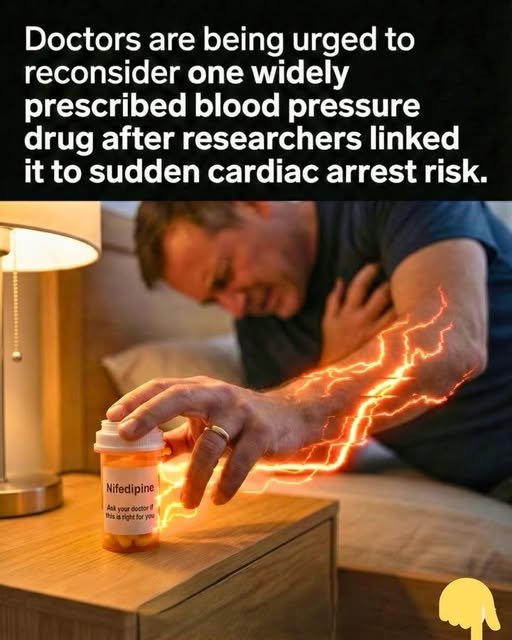
If you mean the recent news about blood-pressure treatment being reconsidered in light of cardiovascular risk, the key point is that blood-pressure medications themselves are not generally being declared unsafe. Rather, new research is changing who should receive medication and how doctors should balance benefits against risks.
Blood Pressure Medication Under Review After New Heart-Risk Findings
A major shift is emerging in the way doctors assess whether someone with high blood pressure should begin medication. New research evaluating the 2025 American Heart Association/American College of Cardiology hypertension guideline suggests that treatment decisions should increasingly be based not only on the blood-pressure number itself, but also on a person’s overall risk of cardiovascular disease.
Why the issue has attracted attention
High blood pressure is one of the most important preventable risk factors for heart attack, stroke and other cardiovascular problems. The CDC estimates that nearly 48% of U.S. adults have high blood pressure, defined as a systolic pressure above 130 mm Hg, a diastolic pressure above 80 mm Hg, or use of blood-pressure medication.
Historically, treatment decisions have often focused heavily on the blood-pressure reading. The newer approach puts greater emphasis on overall cardiovascular risk.
That distinction matters because two people can have the same blood pressure but very different risks of suffering a heart attack or stroke.
What the new analysis found
Researchers analyzed data involving approximately 81 million U.S. adults with high blood pressure who did not already have cardiovascular disease. Under the 2025 AHA/ACC recommendations, about 22.8 million people—28%—could be newly eligible for blood-pressure medication.
However, a substantial proportion of those potentially eligible for treatment were not taking medication.
The analysis estimated that among people who met the guideline criteria, treatment with blood-pressure-lowering medication was associated with:
- 23% lower risk of death from any cause
- 50% lower risk of death from cardiovascular causes
These findings therefore do not suggest that blood-pressure medication is broadly causing additional heart risk. In fact, the overall evidence continues to support treatment for people who are at sufficiently high cardiovascular risk.
So why are medications being “reviewed”?
The concern is more about individualizing treatment.
Blood-pressure drugs can cause side effects, particularly when several medications are combined or when blood pressure becomes too low. A 2026 JAMA commentary notes that adverse effects can interfere with adherence and potentially reduce the cardiovascular benefits of treatment.
Common medication classes include:
- ACE inhibitors
- ARBs
- Calcium-channel blockers
- Thiazide-type diuretics
- Beta-blockers
Different drugs have different advantages and side-effect profiles, so doctors may choose one class over another depending on a patient’s age, kidney function, other medical conditions and susceptibility to particular side effects.
The importance of cardiovascular-risk calculations
The newer guidelines encourage clinicians to consider broader cardiovascular risk rather than relying solely on a single blood-pressure measurement.
The AHA’s PREVENT risk equations can help estimate a person’s future cardiovascular risk and are intended for adults ages 30–79 without established cardiovascular disease. This can help determine whether medication is likely to provide enough benefit to justify treatment.
This is particularly important for people with mildly elevated blood pressure, such as readings around 130/80 mm Hg. Someone with additional cardiovascular risk factors may benefit from medication, while another person with the same blood pressure and substantially lower overall risk may initially focus on lifestyle measures.
Lifestyle changes remain important
Medication isn’t intended to replace healthy habits.
The current recommendations emphasize:
- reducing dietary sodium
- eating a heart-healthy diet
- maintaining a healthy weight
- exercising regularly
- limiting alcohol
- avoiding tobacco
- monitoring blood pressure regularly
For some people, these measures can substantially improve blood pressure and may reduce the amount of medication needed.
An important limitation
The recent analysis has an important weakness: researchers used blood-pressure measurements from the 2009–2018 National Health and Nutrition Examination Survey (NHANES). In many cases, eligibility was based on measurements taken during a single office visit, whereas current guidance recommends multiple measurements over multiple visits.
That means the study should not be interpreted as proof that every person with a particular blood-pressure reading needs medication.
What patients should do
If you’re currently taking a blood-pressure medication, do not stop or reduce it based on headlines or a new study alone. Suddenly stopping some medications can cause blood pressure to rise and may increase cardiovascular risk.
Instead, ask your clinician whether your current treatment is still appropriate based on:
- Your average home blood-pressure readings
- Your age and overall cardiovascular risk
- Kidney function and other health factors
- Any dizziness, fainting or other medication side effects
- Whether you need one medication or several
- Whether lifestyle changes could allow the dose to be reduced safely
Bottom line: the latest findings are less a warning that blood-pressure medicines are dangerous and more a move toward personalized treatment. The goal is to identify people who are likely to gain meaningful protection from medication while avoiding unnecessary treatment and side effects in people at lower risk.
If you give me the name of the blood-pressure medication you’re referring to (for example, losartan, amlodipine, lisinopril, hydrochlorothiazide, or metoprolol), I can explain the specific new heart-risk findings and whether that particular drug is affected.