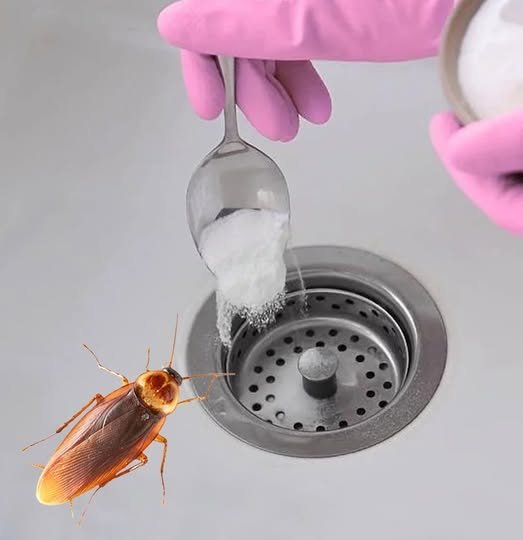
Getting rid of cockroaches effectively requires a combination of eliminating their food and water sources, using the right treatments, and preventing them from returning. Relying on sprays alone usually doesn’t solve the problem because they don’t eliminate hidden nests or egg cases.
1. Identify the Type of Cockroach
The most common household species include:
- German cockroach – Small (1.3–1.6 cm), light brown with two dark stripes behind the head. The most difficult to eliminate because it breeds rapidly.
- American cockroach – Large (3–5 cm), reddish-brown, often found in basements, drains, and sewers.
- Oriental cockroach – Dark brown or black, prefers cool, damp places.
Identifying the species helps determine where they are hiding and the best treatment strategy.
2. Remove Food Sources
Cockroaches can survive on tiny amounts of food.
Daily habits:
- Wipe kitchen counters after cooking.
- Sweep and mop floors.
- Store dry foods in airtight containers.
- Wash dishes immediately instead of leaving them overnight.
- Empty trash daily and use a bin with a tight-fitting lid.
- Clean under appliances where crumbs collect.
3. Eliminate Water Sources
Cockroaches need water more often than food.
Check for:
- Leaking faucets
- Leaking pipes under sinks
- Standing water in sinks
- Wet sponges and dishcloths
- Pet water bowls left out overnight (if practical)
Keep bathrooms and kitchens as dry as possible.
4. Reduce Hiding Places
They hide in:
- Cracks in walls
- Behind refrigerators
- Behind stoves
- Under sinks
- Cardboard boxes
- Cluttered cabinets
Seal cracks using caulk and reduce clutter.
5. Use Cockroach Gel Baits (Most Effective)
Professional pest controllers often rely on gel baits because cockroaches eat them and carry the poison back to their hiding places.
Apply small dots of bait:
- Under sinks
- Behind appliances
- Along cabinet corners
- Near cracks
- Around plumbing openings
Do not spray insecticide directly on or near bait placements, as it can discourage cockroaches from feeding on the bait.
6. Use Bait Stations
Bait stations are useful for:
- Kitchens
- Bathrooms
- Laundry rooms
They are generally safer than loose bait when used according to the label and can remain effective for weeks.
7. Use Boric Acid Carefully
Boric acid can be very effective when used correctly.
Apply only a very thin dust in:
- Wall voids
- Behind appliances
- Under cabinets
Avoid thick piles because cockroaches tend to avoid them.
Keep boric acid away from children and pets, and follow the product label.
8. Consider Diatomaceous Earth
Food-grade diatomaceous earth damages the insects’ outer coating, causing them to lose moisture.
Lightly dust:
- Baseboards
- Under appliances
- Wall cracks
It works best when kept dry.
9. Monitor with Sticky Traps
Sticky traps help:
- Identify where cockroaches are active
- Measure whether the infestation is improving
- Detect new infestations early
Place traps:
- Behind refrigerators
- Under sinks
- Near garbage bins
- Behind toilets
10. Avoid Overusing Sprays
Many aerosol sprays:
- Kill only visible cockroaches.
- May scatter the infestation into new hiding places.
- Often have little effect on egg cases.
They can be useful for immediate control but are rarely the best long-term solution on their own.
11. Prevent Reinfestation
Seal entry points around:
- Pipes
- Windows
- Doors
- Utility lines
- Foundation cracks
Install door sweeps if there are gaps under exterior doors.
12. Deep Cleaning Routine
Weekly:
- Vacuum under furniture.
- Clean behind the refrigerator.
- Clean behind the stove.
- Wash trash cans.
- Remove grease buildup from kitchen surfaces.
Monthly:
- Empty and clean cabinets.
- Inspect plumbing for leaks.
- Replace old bait if needed.
13. If the Infestation Is Severe
You may need a licensed pest control professional if:
- You see dozens of cockroaches during the day.
- Cockroaches are present in multiple rooms.
- The infestation returns after several weeks of treatment.
- You live in an apartment where they may be moving between units.
Professionals can use a combination of gel baits, insect growth regulators (which disrupt reproduction), targeted dusts, and monitoring techniques that are often more effective than over-the-counter treatments.
Typical Timeline
- 1–3 days: Activity may increase as cockroaches find the bait.
- 1–2 weeks: Population usually begins to decline noticeably.
- 3–6 weeks: Most infestations can be brought under control with consistent treatment and sanitation.
- 2–3 months: Continue monitoring and replacing bait as needed to help prevent a rebound.
Summary
The most effective strategy combines:
- Thorough cleaning and removal of food and water.
- Gel baits as the primary treatment.
- Boric acid or food-grade diatomaceous earth in appropriate locations.
- Sticky traps to monitor progress.
- Sealing cracks and fixing leaks.
- Professional pest control for large or persistent infestations.
This integrated approach is generally much more effective than relying on insecticide sprays alone.