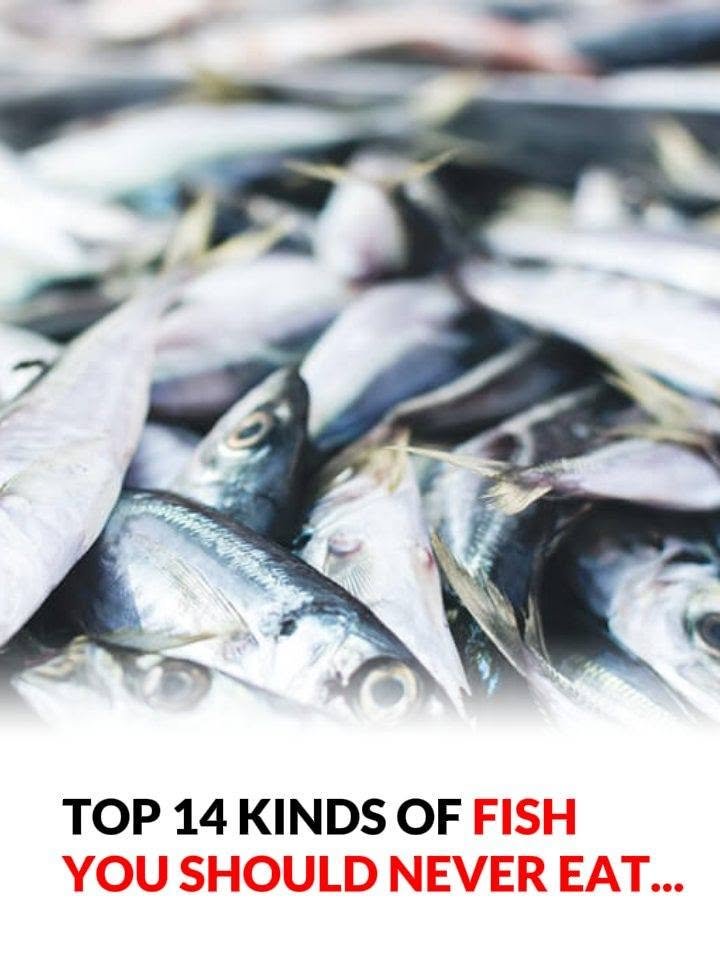
Here’s a clear, science-based breakdown so you know what’s actually important.
🧠 1. The real concern: Mercury buildup (not all fish, specific fish)
Some large predatory fish accumulate methylmercury, a toxic heavy metal that can affect the brain and nervous system if consumed excessively.
Highest-risk fish include:
- Shark
- Swordfish
- King mackerel
- Bigeye tuna
Why it matters
Mercury builds up in the body over time. High exposure can cause:
- Memory and concentration problems
- Nerve damage
- Developmental issues in fetuses and young children
🐟 2. Safer fish you can generally eat regularly
Most commonly eaten fish are considered low mercury and nutritious, such as:
- Salmon
- Sardines
- Trout
- Herring
- Anchovies
These are rich in:
- Omega-3 fatty acids (good for heart and brain)
- High-quality protein
- Vitamin D and B12
⚠️ 3. “Farmed vs wild” confusion (important but misunderstood)
Not all farmed fish are bad, and not all wild fish are perfect.
Farmed fish concerns:
- Antibiotic use in some regions
- Variable feed quality
- Environmental pollution in poorly regulated farms
Wild fish concerns:
- Mercury (especially large species)
- Ocean pollutants (depending on region)
👉 Bottom line: species matters more than farmed vs wild.
🧬 4. Other real risks people overreact to
A) Microplastics
Yes, fish can contain microplastics, but current research shows:
- Levels in typical diets are still being studied
- Health impact in humans is not fully proven yet
B) Parasites
Mostly a concern in:
- Raw or undercooked fish (sushi-grade matters)
Proper freezing and cooking eliminates risk.
👶 5. Who should be more careful?
Extra caution is recommended for:
- Pregnant women
- Small children
- People who eat fish daily
They should avoid high-mercury species completely.
🍽️ 6. How much fish is actually safe?
Most health authorities suggest:
- 2–3 servings per week of low-mercury fish
That’s considered beneficial, not harmful.
🚨 Final truth check on viral warnings
If a post says:
“STOP eating ALL fish immediately”
That is scientifically false and misleading.
The correct message is:
“Choose the right types of fish and avoid high-mercury species in excess.”
If you want, tell me the exact fish you eat (or see in your area), and I’ll break down whether it’s safe, how often you should eat it, and what alternatives you have in Pakistan specifically.