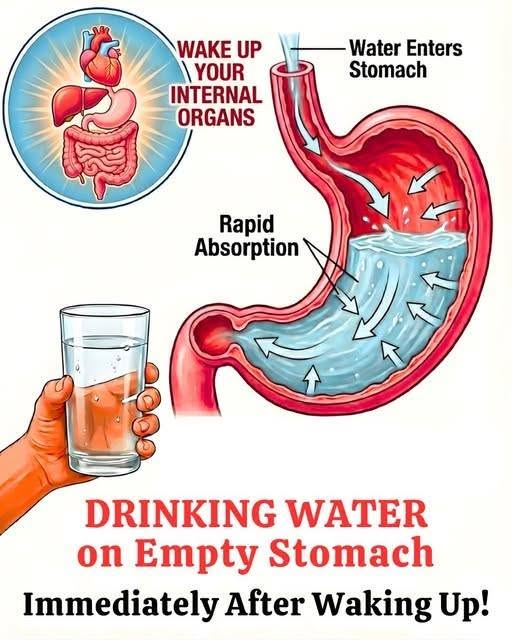
A Worthy Action: Drinking Water on an Empty Stomach Every Morning
Drinking water first thing in the morning, before eating breakfast, is a simple and healthy habit that can help you begin your day feeling refreshed. Water is essential for nearly every function in the human body, including digestion, blood circulation, temperature regulation, kidney function, and brain activity.
However, it is important to understand the difference between the real benefits of drinking water in the morning and the exaggerated claims sometimes made about drinking water on an empty stomach.


1. Why drinking water in the morning is a worthy action
During sleep, your body continues to use water for breathing, sweating, and other essential processes. You generally do not drink anything for several hours overnight, so drinking water after waking can help replenish your fluids.
The good news is that you do not need expensive drinks, special detox products, or complicated routines. Plain, safe drinking water is enough.
Here are the main benefits.
2. Ten potential benefits of drinking water every morning

1. Replenishes lost fluids
Your body loses water overnight through breathing, sweating, and normal bodily functions. Drinking water after waking helps restore fluid balance and prepares your body for the day.
Why it matters: Good hydration supports normal circulation, temperature control, and the delivery of nutrients throughout the body.

2. Supports brain function and concentration
Even mild dehydration can contribute to headaches, tiredness, and difficulty concentrating in some people. Drinking water can help if dehydration is contributing to these symptoms.
Why it matters: Starting the day hydrated supports normal mental performance, particularly after a night without fluids.

3. Helps normal digestion
Water helps dissolve nutrients and supports the movement of food through your digestive tract. Drinking water before breakfast can be a convenient way to maintain adequate hydration.
Important: Water does not need to be consumed on an empty stomach to support digestion.

4. May help prevent constipation
Adequate fluid intake helps keep stools softer, particularly when combined with fiber-rich foods such as vegetables, fruit, whole grains, and beans.
Why it matters: If you are not drinking enough water, improving your overall fluid intake may help relieve constipation. Drinking one glass in the morning alone is not a guaranteed cure.

5. Supports kidney function
Your kidneys filter waste products from the blood and regulate the body’s water and electrolyte balance. Adequate hydration helps your kidneys perform these functions.
Why it matters: Drinking enough water can also help reduce the risk of certain kidney stones in susceptible people, although individual fluid needs vary.

6. Can support healthy weight management
Water contains no calories. Drinking it instead of sugary drinks reduces calorie intake, and drinking water before a meal may help some people feel fuller.
What to remember: Water does not directly burn body fat or automatically cause weight loss. Sustainable weight management depends on overall eating habits, physical activity, sleep, and other factors.

7. Supports normal bowel and urinary function
Water helps your body produce urine and remove waste products. Maintaining adequate hydration also helps support normal bowel function.
Why it matters: Very low fluid intake can contribute to concentrated urine and constipation. More water is not always better, however.

8. May help with morning tiredness caused by dehydration
If you wake up mildly dehydrated, drinking water may help you feel better. It can be especially useful after sleeping in a hot room or sweating during the night.
Important: Water is not a substitute for sufficient sleep. Persistent fatigue can have other causes.

9. Helps maintain normal skin health
Proper hydration supports the body’s normal physiological functions, including those involved in skin health. Correcting inadequate fluid intake may improve dehydration-related skin dryness.
What to remember: Drinking extra water beyond your needs has not been shown to reliably eliminate acne, erase wrinkles, or produce glowing skin on its own.

10. Builds a consistent healthy habit
Keeping a glass or bottle of water near your breakfast area makes it easier to remember to drink throughout the day.
Why it matters: The greatest benefit of a morning water routine may be that it encourages regular hydration and a more mindful start to the day.
3. How much water should you drink after waking up?
For most healthy adults, starting with one glass of water is a practical choice. You do not need to force yourself to drink a large quantity immediately after waking.

One glass to start
200–300 mL
Approximately 7–10 US fluid ounces
A comfortable starting amount for many adults.

If you are thirsty
You can drink more gradually, according to your thirst and individual needs. There is no requirement to drink exactly two, three, or four glasses before breakfast.
The amount you need throughout the day depends on your body size, activity level, climate, diet, and health. Total fluid comes from drinking water, other beverages, and food.
4. The best morning water routine
Here is a simple routine you can follow every day.
Step 1: Wake up and drink water
Drink a glass of clean, safe water at a comfortable temperature. You do not need to wait a specific number of minutes after waking.
Step 2: Drink slowly and comfortably
Sip the water rather than forcing yourself to drink a large amount quickly. Room-temperature, cool, or warm water is fine.
Step 3: Continue your usual morning activities
Brush your teeth, wash up, stretch, meditate, or take a walk if you wish. Water does not have to be consumed before every other activity.
Step 4: Eat a balanced breakfast
Choose nourishing foods such as oats, eggs, whole-grain bread, fruit, yogurt, or other foods that suit your dietary needs. You can drink water before, during, or after breakfast.
Step 5: Stay hydrated throughout the day
Drink regularly, especially when thirsty, exercising, sweating, or spending time in hot weather. Do not rely on one morning glass to meet your entire daily requirement.
5. Should you drink warm water or cold water?
Both are suitable for hydration.
|
Type of water |
What to know |
|---|---|
|
Warm water |
May feel soothing and comfortable, particularly in cold weather. |
|
Room-temperature water |
A convenient everyday option. |
|
Cold water |
Refreshing, especially after exercise or in hot weather. |
|
Lemon water |
Adds flavor and a small amount of vitamin C, depending on the quantity of lemon used. |
|
Plain water |
An excellent everyday choice without added sugar or calories. |
The key point: There is no strong evidence that warm water on an empty stomach provides greater overall health benefits than cool or room-temperature water. Choose the temperature you enjoy.
6. Myths and facts about drinking water on an empty stomach
Some claims about this habit are popular, but they should be understood carefully.
Myth: Morning water activates all internal organs.
Fact: Your organs are already functioning. Drinking water helps maintain the fluid balance needed for normal organ function, but it does not switch your organs on.
Myth: Water on an empty stomach detoxifies the body.
Fact: Your liver and kidneys already process and eliminate waste. Adequate hydration supports these functions, but water does not perform a special cleanse or flush out unspecified toxins.
Myth: Drinking water first thing melts belly fat.
Fact: Water has no calories and can support weight management when it replaces sugary drinks. It does not selectively burn belly fat.
Myth: Water must be consumed 30 minutes before breakfast.
Fact: There is no established need to wait 30 minutes. You can eat breakfast whenever you are comfortable.
Myth: Drinking several glasses in the morning prevents heart attacks.
Fact: Maintaining adequate hydration is important, but drinking water at a particular time has not been proven to prevent heart attacks or strokes.
These distinctions are consistent with health guidance and evidence reviews on hydration and the lack of special benefits from drinking water at prescribed times.
7. Who should be careful about drinking water?
Water is safe and beneficial for most people, but individual circumstances matter.
-
People with kidney disease: Some may need to limit fluids, depending on kidney function and treatment.
-
People with heart failure or certain liver conditions: Excess fluid may worsen fluid retention, so follow your healthcare professional’s recommendations.
-
People taking medicines that affect fluid balance: Ask your clinician if you have been given specific fluid restrictions.
-
Anyone exercising intensely: Replace fluids appropriately, but avoid drinking excessive amounts rapidly. Too much water can dangerously lower blood sodium levels.
If you have been prescribed a fluid limit, follow it rather than a general daily-water recommendation.
8. A simple seven-day morning water challenge
You can use this small checklist to build the habit without putting pressure on yourself.
My hydration habit
0/7 days
Conclusion: A small habit with real value
Drinking water on an empty stomach every morning is a worthy action because it is simple, inexpensive, and can help you maintain adequate hydration. It may be especially useful if you wake up thirsty or tend to forget to drink water during the day.
Remember three important principles:
-
Drink a comfortable amount of water after waking.
-
Maintain hydration throughout the day rather than focusing only on the morning.
-
Combine this habit with balanced nutrition, regular physical activity, adequate sleep, and other healthy routines.
The real benefit is not the empty stomach or the exact time of drinking. It is giving your body the water it needs to function well.