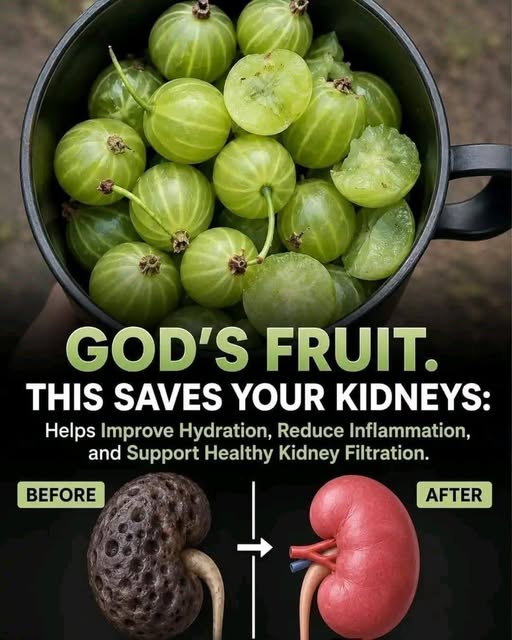
“This Fruit Is the King of All Fruits—Instantly Cleanses Your Kidneys & Flushes Out Toxins Fast”: The Truth Explained
You may have seen a headline claiming that one special fruit can cleanse your kidneys, flush out toxins quickly, and improve kidney function. Fruits can certainly be part of a kidney-friendly diet, but no fruit has been scientifically proven to instantly cleanse the kidneys or rapidly flush toxins out of the body.
Your kidneys already perform this essential job around the clock. They filter your blood, remove waste products, regulate water and minerals, and produce urine.
Let’s look at which fruits may help support kidney health, how they work, how to eat them, and which claims you should be careful about.
1. Which fruit is the “king of all fruits” for kidney health?
There is no officially recognized king of fruits for kidney cleansing. However, several fruits offer useful nutrients and can fit into a healthy diet.

1. Watermelon
Hydration
Watermelon contains a high proportion of water, along with vitamin C and other plant compounds. Eating it can contribute to your daily fluid intake.
-
Potential benefit: Supports normal hydration, which helps your kidneys produce urine.
-
What it cannot do: It cannot instantly remove toxins, repair damaged kidneys, or reliably dissolve kidney stones.
-
Caution: People with advanced kidney disease, high blood potassium, or a prescribed fluid restriction may need to limit portions.
The Kidney Dietitian+1

2. Cranberries
Cranberries contain polyphenols and other plant compounds. Cranberry products have been studied primarily for preventing certain recurrent urinary tract infections (UTIs).
-
Potential benefit: May help reduce recurrent UTIs in some people, particularly through specific cranberry products.
-
Important distinction: A UTI is not the same as kidney disease, and cranberry does not cleanse the kidneys or treat an existing kidney infection.
-
Best approach: Choose whole cranberries or unsweetened products when practical, rather than sugary cranberry cocktails.

3. Apples
Apples provide fiber, including pectin, and beneficial plant compounds.
-
Potential benefit: Support a balanced diet and digestive health.
-
Kidney-friendly feature: Apples are relatively low in potassium compared with fruits such as bananas and oranges, making them useful for many people who need to limit potassium.
-
Best approach: Eat the whole fruit with its skin after washing it.

4. Berries
Blueberries, strawberries, raspberries, and blackberries contain fiber and various antioxidants.
-
Potential benefit: Add nutrients to a balanced eating pattern that supports overall cardiovascular and metabolic health.
-
Kidney connection: Blood pressure and blood sugar control are important for protecting kidney function.
-
Best approach: Add fresh or frozen berries to oatmeal, plain yogurt, or breakfast.

5. Lemons
Lemons contain vitamin C and citrate, a substance that can affect the chemistry of urine.
-
Potential benefit: Citrate may help prevent certain types of kidney stones in some people.
-
What it cannot do: Lemon water does not flush out all toxins or treat existing kidney disease.
-
Best approach: Add lemon to water without excessive added sugar. If you have a history of stones, ask your clinician whether increasing dietary citrate is appropriate.

6. Pineapple
Pineapple provides vitamin C, fiber, and the enzyme bromelain.
-
Potential benefit: Offers nutrients and variety in a balanced diet.
-
Kidney-friendly feature: It is often a useful lower-potassium fruit option for people who have been advised to limit potassium.
-
Important note: There is no strong clinical evidence that pineapple or bromelain cleanses the kidneys.
These fruits have different nutritional benefits, but none is a proven kidney detox treatment. People with kidney disease may need individualized food and fluid recommendations.
2. How do fruits actually help your kidneys?
Your kidneys work continuously to maintain your body’s internal balance. Fruits can support that process indirectly, but they do not act like a cleaning solution.
Hydration
Water helps maintain normal urine production. Adequate fluid intake is especially important for preventing many types of kidney stones, although some people need to restrict fluids.
Blood pressure support
A balanced diet rich in fruits and vegetables can help support cardiovascular health. Controlling blood pressure is an important way to protect kidney function.
Fiber and plant nutrients
Whole fruits provide fiber, vitamins, and plant compounds that contribute to a healthy eating pattern.
Normal waste removal
Your kidneys filter waste products from the blood and regulate water and minerals. No particular fruit has been shown to speed this process dramatically in healthy people.
3. Can fruit flush toxins out fast?
Not in the way detox headlines suggest.
Your kidneys remove waste products through urine, while your liver processes many substances so the body can eliminate them. Eating fruit can improve your diet, but a fruit-only cleanse has not been shown to remove toxins more effectively than normal organ function.
The National Center for Complementary and Integrative Health reports that evidence supporting detox diets and cleansing programs is limited, and there is no compelling evidence that these diets eliminate toxins as advertised.
Be cautious of claims that a fruit can:
-
Clean the kidneys overnight.
-
Remove kidney stones instantly.
-
Reverse chronic kidney disease.
-
Dramatically lower creatinine within days.
-
Replace prescribed kidney medications.
These claims are not established medical benefits.
4. A simple daily fruit routine for general kidney health
If you are generally healthy and have no medical fluid or dietary restrictions, you can use the following as a practical example.

Morning
One apple or a serving of berries with breakfast.

Afternoon
A modest serving of watermelon or another fruit you enjoy.

Throughout the day
Drink water regularly according to your needs and any fluid limits given by your clinician. Lemon slices are optional.
You do not need to eat every fruit listed above. Variety and moderation are more useful than relying on one so-called superfruit. Prefer whole fruit over large amounts of juice, which can contain substantial natural sugar without the same amount of fiber.
5. Which fruits should people with kidney disease be careful about?
People with chronic kidney disease may not remove potassium effectively. Excess potassium can cause dangerous heart rhythm problems. Depending on blood test results and the stage of kidney disease, some people need to limit certain fruits. Others do not.
|
Fruit |
Consideration |
|---|---|
|
Apples |
Relatively low in potassium |
|
Berries |
Generally lower in potassium |
|
Grapes |
Generally lower in potassium |
|
Pineapple |
Often a lower-potassium option |
|
Bananas |
Higher in potassium |
|
Oranges and orange juice |
Higher in potassium |
|
Dried fruit |
Often concentrated in potassium and sugar |
These are general comparisons, not a personalized diet plan. Portion size and laboratory results matter.
If you have kidney disease, are receiving dialysis, or have been told to restrict fluids, ask your kidney specialist or renal dietitian which fruits and quantities are appropriate.
6. When should you seek medical attention?
Do not attempt to treat these symptoms with fruit or a detox drink:
-
Blood in your urine.
-
Severe pain in your back or side.
-
Fever or chills with urinary symptoms.
-
Markedly reduced urination.
-
New or worsening swelling or shortness of breath.
These symptoms may require prompt medical evaluation. Severe pain with fever, inability to urinate, or difficulty breathing warrants emergency assessment.
The bottom line
Watermelon, apples, berries, cranberries, lemons, and pineapple can all have a place in a healthy diet. There is no single fruit that instantly cleanses your kidneys or flushes toxins out fast. The most effective approach is to maintain an appropriate fluid intake, eat a balanced diet, control blood pressure and blood sugar, and seek medical care for kidney problems rather than relying on a cleanse.
One question so I can tailor this information to your needs: Are you mainly interested in preventing kidney stones, improving kidney function or creatinine levels, or simply keeping your kidneys healthy? The most suitable dietary advice differs for each goal.