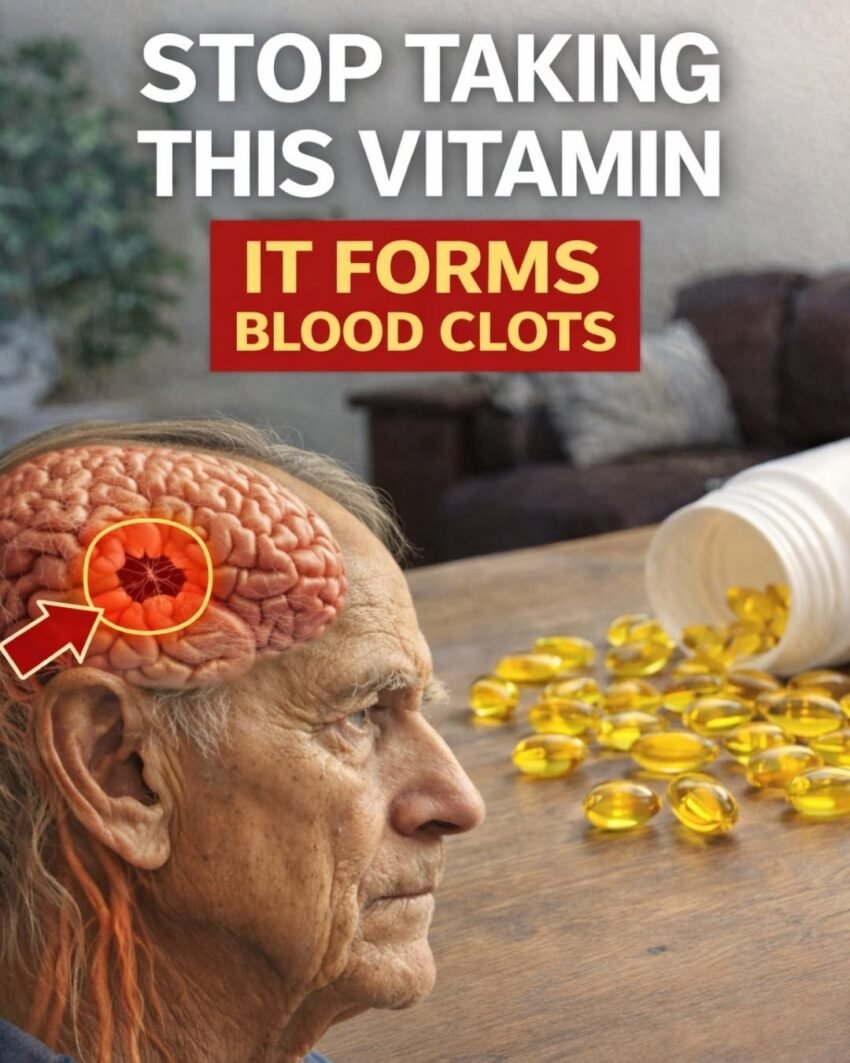
Here is a detailed explanation.
Which vitamin is usually being discussed?
The headline often refers to Vitamin B6, Vitamin E, or Vitamin D, depending on the article. However, one of the most common concerns involves Vitamin E supplements because high doses may increase the risk of hemorrhagic stroke (bleeding in the brain).
Vitamin E
Vitamin E is an antioxidant that helps protect cells from damage. It is found naturally in foods such as:
- Almonds
- Sunflower seeds
- Spinach
- Avocados
- Vegetable oils
Eating foods containing vitamin E is generally considered safe and healthy.
Why could high-dose Vitamin E be a concern?
Research has found that taking high-dose vitamin E supplements (typically 400 IU/day or more) may:
- Slightly increase the risk of hemorrhagic stroke.
- Reduce blood clotting, making bleeding more likely.
- Increase bleeding risk when combined with blood-thinning medications.
A large review published in medical literature found:
- A small reduction in ischemic stroke (caused by blocked blood vessels).
- A small increase in hemorrhagic stroke (caused by bleeding in the brain).
Although the absolute increase in risk is small, it is important for older adults and people at higher bleeding risk.
Why are seniors more vulnerable?
As people age:
- Blood vessels become more fragile.
- Many seniors take medications such as blood thinners.
- High blood pressure becomes more common.
- Falls are more frequent, increasing the risk of bleeding.
These factors can increase the consequences of bleeding in the brain.
Who should be especially careful?
People who have:
- High blood pressure
- Atrial fibrillation
- Previous stroke
- Bleeding disorders
- Liver disease
Those taking medications such as:
- Warfarin
- Apixaban
- Rivaroxaban
- Clopidogrel
- Aspirin
Does this mean seniors should stop taking Vitamin E?
No.
Most health experts do not recommend stopping a prescribed supplement without discussing it with a healthcare professional.
The concern is mainly about:
- High-dose supplements.
- Taking supplements without a medical reason.
- Combining them with blood-thinning medications.
Vitamin E obtained from food is generally not associated with this increased risk.
What about other vitamins?
Some headlines discuss other vitamins:
Vitamin B6
Very high doses over long periods can cause nerve damage but are not a well-established cause of stroke.
Vitamin D
Generally safe when taken at recommended doses. Excessive amounts can lead to high blood calcium levels and kidney problems rather than stroke.
Vitamin B12
Usually considered safe and does not increase stroke risk when used appropriately.
How can seniors reduce their stroke risk?
Evidence-based ways to lower stroke risk include:
- Keep blood pressure under control.
- Stay physically active.
- Eat a balanced diet rich in fruits, vegetables, whole grains, and healthy fats.
- Avoid smoking.
- Limit alcohol intake.
- Manage Type 2 Diabetes if present.
- Maintain a healthy weight.
- Take medications exactly as prescribed.
- Discuss all supplements with a healthcare professional, especially if taking blood thinners.
Key takeaway
Current evidence does not show that normal dietary intake of vitamin E causes stroke. However, high-dose vitamin E supplements may slightly increase the risk of hemorrhagic stroke, particularly in older adults or those taking blood-thinning medications. This does not mean everyone should avoid vitamin E—it means supplements should be used thoughtfully and under medical guidance when appropriate.